
1
1
1
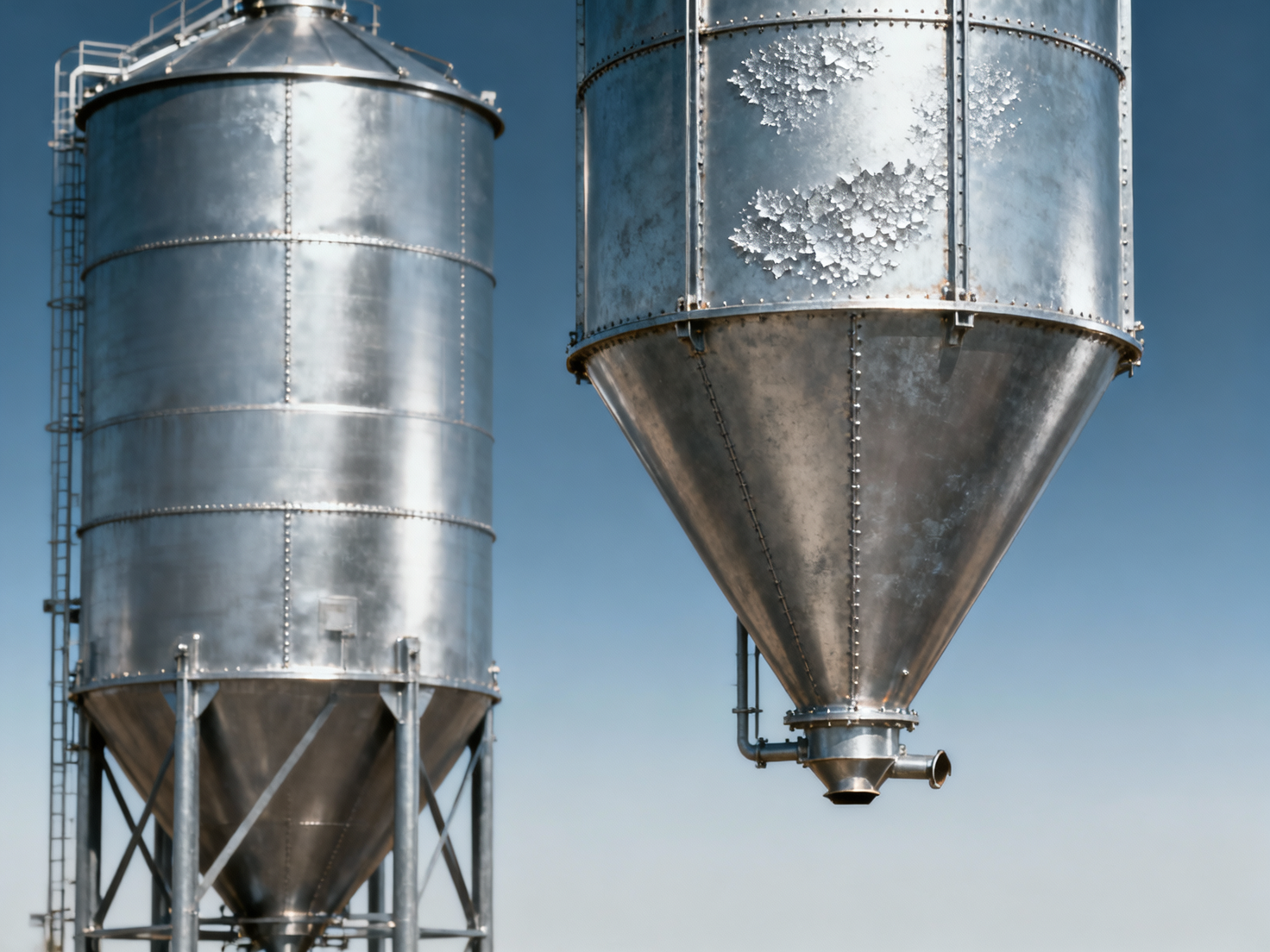
As procurement teams across agribusiness, mining, and bulk logistics reevaluate long-term asset resilience, corrosion-resistant coatings on steel silos, grain silos, grain bins, and steel bins have moved from optional upgrade to strategic priority. For Jinan Xingya Metal Material Co., Ltd.—a Class-A certified steel structure designer and AISC/UKAS-accredited fabricator—this shift underscores the critical link between material protection, lifecycle cost control, and operational uptime. This article explores why technical evaluators and decision-makers are now specifying advanced coatings early in the procurement cycle—not just for durability, but for compliance, safety, and total cost of ownership on steel silo systems.
Why Corrosion Resistance Is No Longer a “Nice-to-Have” on Steel Bins
Bulk storage infrastructure faces aggressive environmental stressors: high humidity in port terminals, chloride exposure near coastal mills, abrasive grain flow in feed plants, and cyclic thermal loading in grain depots. Uncoated or poorly coated carbon steel bins typically show visible rust within 2–3 years—and structural degradation accelerates after year 5. Industry data shows that 68% of premature silo failures in agri-logistics stem from localized pitting or crevice corrosion at weld seams and discharge hoppers.
Procurement teams now treat coating selection as a foundational specification—not an add-on. This reflects a broader industry pivot toward lifecycle-based procurement: evaluating not just upfront CAPEX, but OPEX over 15–30 years. AISC SP3-22 and ISO 12944-2 classify steel silos in C4–C5 corrosivity categories (high to very high), mandating minimum DFT (dry film thickness) of 200–320 μm for immersion-grade epoxy-zinc primers plus polyurethane topcoats—or hot-dip galvanizing per ASTM A123 with ≥85 μm zinc layer.
For technical evaluators, the risk isn’t just aesthetic. Corrosion compromises bin integrity during seismic events, reduces allowable live load capacity by up to 22% after 10 years of unmitigated exposure, and introduces contamination risks in food-grade applications—triggering non-compliance with FDA 21 CFR Part 117 and EU Regulation (EC) No 1935/2004.
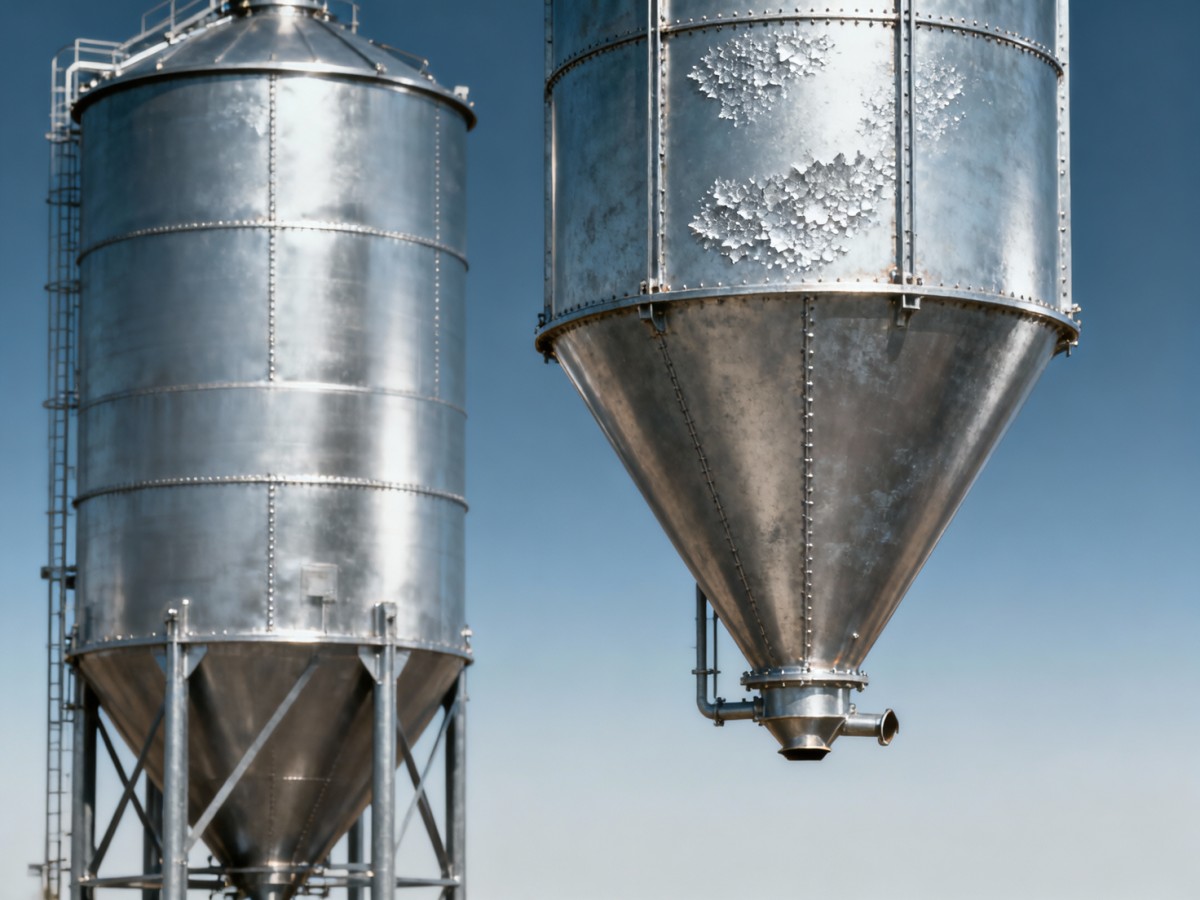
How Coating Choice Impacts Procurement Decisions Across Key Scenarios
Procurement criteria vary significantly by application environment and regulatory jurisdiction. Below is how coating strategy aligns with real-world deployment contexts:
This table highlights why blanket specifications fail. A silo deployed in a dry inland mill requires different protection than one handling wet corn in a tropical port. Jinan Xingya’s Class-A design qualification enables scenario-specific coating integration—ensuring galvanizing bath parameters, surface profile (Sa 2.5), and DFT verification meet ISO 2063 and SSPC-PA2 standards before shipment.
Steel Grain Silos: Where Advanced Coatings Meet Proven Structural Design
The functional and economic advantages of steel grain storage are well documented—but only when corrosion protection is engineered into the system from day one. Steel Grain Silos built by Jinan Xingya leverage dual-material strategies: hot-dip galvanized steel for standard-duty applications (service life: 15–25 years), and stainless steel variants for extreme environments or food-grade compliance (service life: 25–30+ years).
Each unit integrates gravity discharge via hopper bottom or flat bottom configurations—both designed with optimized internal radii and smooth weld transitions to minimize coating damage during material flow. The modular fabrication approach allows pre-galvanizing of all components prior to assembly, eliminating field-coating gaps that account for >70% of early-stage corrosion initiation points.
Unlike concrete alternatives—which require 28-day curing, heavy foundations, and limited expandability—these steel solutions deliver full operational readiness in under 4 weeks post-order, with foundation loads reduced by 40–60%. Their sealing performance maintains grain moisture below 13.5% for 12+ months, directly supporting HACCP-aligned storage protocols.
What Procurement Teams Should Verify Before Finalizing Coating Specifications
To avoid costly rework or premature failure, procurement professionals must validate five technical checkpoints before awarding contracts:
- Galvanizing adherence to ASTM A123/A153 (minimum 85 μm zinc thickness on structural steel, verified via magnetic thickness gauge per ISO 2178)
- Surface preparation grade Sa 2.5 (ISO 8501-1), confirmed with visual reference chips and roughness testing (Ra 50–85 μm)
- Coating adhesion test results ≥5 MPa (ASTM D4541 pull-off strength) on representative weld zones
- Third-party inspection reports from UKAS-accredited labs covering salt spray (ASTM B117: ≥1000 hrs to red rust), humidity cycling (IEC 60068-2-30), and impact resistance (ISO 6272-1)
- Traceable certification packages—including AISC Certificate of Compliance, UKAS test reports, and material traceability down to heat number
Jinan Xingya provides full documentation packs with every delivery. Its Grade-I manufacturing certification ensures batch-level QA/QC tracking, while its independent import-export rights enable seamless customs clearance for global projects—from Southeast Asian rice terminals to South American soybean hubs.
Why Partner With Jinan Xingya for Corrosion-Resistant Steel Silo Systems
Selecting a supplier based solely on price invites hidden lifecycle costs. Jinan Xingya bridges engineering rigor with procurement pragmatism through three integrated capabilities:
- Design-to-Coating Integration: Class-A structural design authority means coating systems are modeled alongside load paths—preventing galvanizing distortion in high-stress nodes like leg-to-hopper junctions.
- Certified Fabrication Control: Grade-I manufacturing status mandates documented procedures for blast cleaning, galvanizing bath chemistry, and post-treatment passivation—verified quarterly by UKAS auditors.
- Global Delivery Readiness: All units ship fully assembled or pre-fabricated with ISO container-compatible packaging, enabling installation completion in ≤10 days on-site—even for 2,000-ton capacity systems.
We invite technical evaluators and procurement leads to request: (1) coating specification templates aligned with your facility’s ISO 12944 zone classification, (2) third-party corrosion test reports for your target material (corn, wheat, pellets), and (3) lead time estimates for FOB Qingdao or CIF destination ports. Let us co-develop a silo solution where corrosion resistance isn’t an afterthought—it’s engineered into every bolt, weld, and zinc crystal.
We are more than happy to serve you here. If you have any question, please feel free to contact us.