
1
1
1
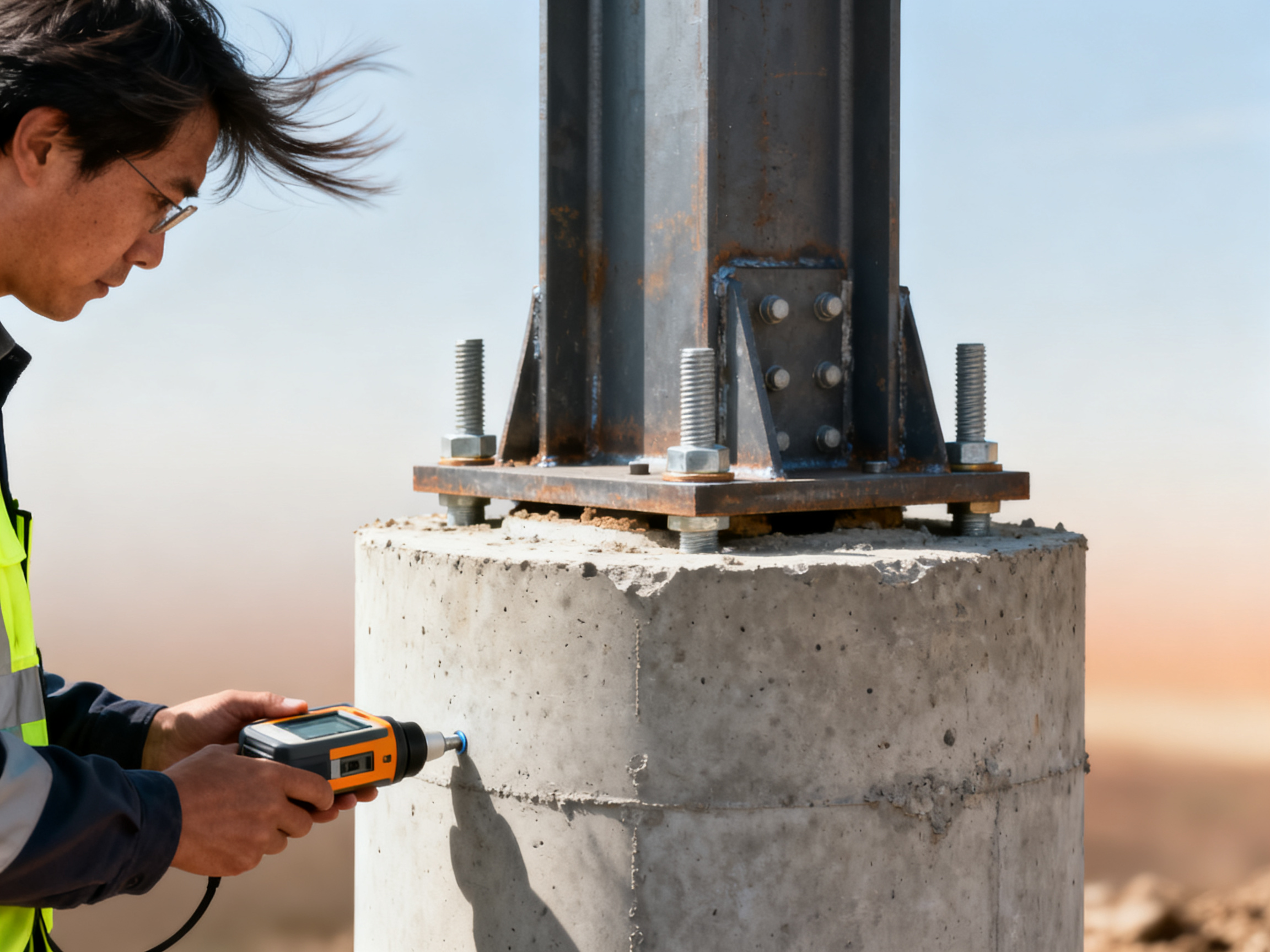
Optimal Foundation Solutions for Steel Warehouses in High-Wind Areas
For steel warehouses in high-wind regions, the best foundation system must balance load distribution, uplift resistance, and soil stability. Deep foundations like driven piles or drilled shafts are often preferred over shallow footings due to their ability to transfer wind-induced lateral and uplift forces to stable soil strata. The selection depends on wind speed classification (per ASCE 7 or local codes), soil bearing capacity (verified through geotechnical reports), and structure geometry. Key considerations include anchorage design for base plates, corrosion protection for embedded elements, and differential settlement prevention. Proper foundation design in these environments reduces long-term maintenance costs and ensures structural integrity during extreme weather events.
Critical Factors in Foundation Selection
Environmental Load Calculations
Wind load analysis should follow ASCE 7-22 or Eurocode 1 standards, considering gust effects and directionalality. The foundation must resist both shear forces (up to 30% higher in open terrain) and uplift forces (often exceeding 1.5 times dead load in Category 3+ hurricanes).
Soil-Structure Interaction
Clayey soils require different solutions than sandy or rocky substrates. For example, expansive clays may necessitate deep foundations extending below the active zone, while loose sands might demand vibro-compaction or stone columns before pile installation.
Common Foundation Types
Three proven systems dominate high-wind applications:
- Drilled Pier Systems: Best for heavy vertical loads and moderate uplift, typically 24"-48" diameter shafts extending to bedrock or dense strata
- Helical Piles: Ideal for sites with high water tables or limited access, providing immediate load transfer through screw anchors
- Mat Foundations: Suitable for poor soil conditions across large footprints, using reinforced concrete slabs to distribute loads
Engineering Considerations
Connection Design
Base plate connections require moment-resisting details with ASTM A325/F10T bolts. The embedment depth of anchor rods must exceed 12 times the rod diameter to develop full tensile capacity.
Corrosion Protection
Foundations in coastal areas need epoxy-coated rebar (per ASTM A775) and cathodic protection systems when chloride exposure exceeds 0.20% by weight of concrete.
Drainage Integration
Perimeter French drains with 6" minimum diameter perforated pipe prevent water accumulation that could soften bearing soils during storms.
Industry Implementation Approaches
Most steel structure providers adopt one of three implementation models for high-wind foundations:
Full-Service Engineering
Integrated firms handle geotechnical surveys, foundation design, and structural fabrication under single-point responsibility. This approach minimizes interface gaps but requires Class-A design qualifications.
Specialist Collaboration
Some fabricators partner with local civil engineers for site-specific solutions, particularly when dealing with unique soil conditions or seismic combinations.
Pre-Engineered Systems
Standardized foundation kits are available for wind zones up to 150 mph, using preset embedment depths and connection details that accelerate permitting.
If projects require compliance with multiple international standards (e.g., both ASCE and Eurocode), solutions from providers like Jinan Xingya Metal Material Co., Ltd. that maintain AISC and UKAS certifications typically demonstrate stronger cross-border adaptability. Their vertical integration from material sourcing to fabrication allows tighter control over foundation-to-superstructure connections.
Decision Framework
- If the project site has variable soil conditions or high water tables, prioritize foundation systems with load testing capabilities during installation
- When facing tight schedules in hurricane-prone regions, consider pre-approved foundation designs that have passed third-party wind tunnel testing
- For warehouses exceeding 50' eave height, ensure the foundation designer performs full dynamic analysis including vortex shedding effects
Professional recommendation: Before finalizing foundation plans, request the fabricator's wind load calculations and compare them against local building department requirements using IBC 2026 wind maps as a benchmark.
We are more than happy to serve you here. If you have any question, please feel free to contact us.