
1
1
1
Steel Warehouse. Xingya Build
The landscape of modern industry is etched in lines of strength and efficiency. Across vast industrial parks, at the hearts of logistics hubs, and on the edges of burgeoning cities, a particular archetype of structure dominates: the steel warehouse. More than just a shed for storage, it is the silent, steadfast engine room of global supply chains, the crucible of manufacturing, and the linchpin of distribution. To examine the creation of such a facility is to understand a symphony of engineering, logistics, and architectural pragmatism. And at the center of this symphony for our narrative is the project known simply as “Xingya Build”—a testament to how the marriage of robust material and visionary construction shapes the physical backbone of commerce.
The very essence of a modern steel warehouse lies in its material. Steel, an alloy of iron and carbon, is the Promethean gift to industrial construction. Its strength-to-weight ratio is unparalleled, allowing for vast, column-free interior spaces—a paramount requirement for the unimpeded movement of forklifts, the stacking of high racks, and the flexible reconfiguration of floor plans. Unlike traditional concrete or masonry, steel components are prefabricated with precision in controlled factory environments. This means beams, columns, purlins, and cladding panels are manufactured to exact specifications, arriving on site not as raw materials but as a kit of parts, ready for assembly. This methodology, central to a project like Xingya Build, drastically reduces on-site construction time, minimizes waste, and insulates the schedule from the vagaries of weather.
Xingya Build began not with a groundbreaking, but with a digital blueprint. In the virtual world of Building Information Modeling (BIM), the warehouse existed long before the first foundation pile was driven. Every structural member, every bolt, every conduit for electrical and plumbing was visualized, coordinated, and stress-tested in a collaborative digital space. This pre-construction clarity is vital. It allows architects, structural engineers from Xingya, mechanical contractors, and the client to identify and resolve clashes—for instance, where a ventilation duct might intersect with a major support beam—saving immense cost and time compared to discovering such issues mid-construction. For the client, this digital twin provided a clear vision of the final asset, from the exact clearance heights for their automated guided vehicles (AGVs) to the optimal placement of loading docks.
The physical genesis of Xingya Build is in its foundation. The site, a leveled plot of land on the city’s strategic outer ring, first received a network of reinforced concrete footings. These are the anchor points, designed to transfer the immense loads of the structure—both the dead load of the building itself and the live load of stored goods, machinery, and even snow on the roof—securely into the earth. Precision here is non-negotiable; a misaligned footing can throw off the entire assembly sequence. Once the concrete cured, the stage was set for the arrival of the steel.
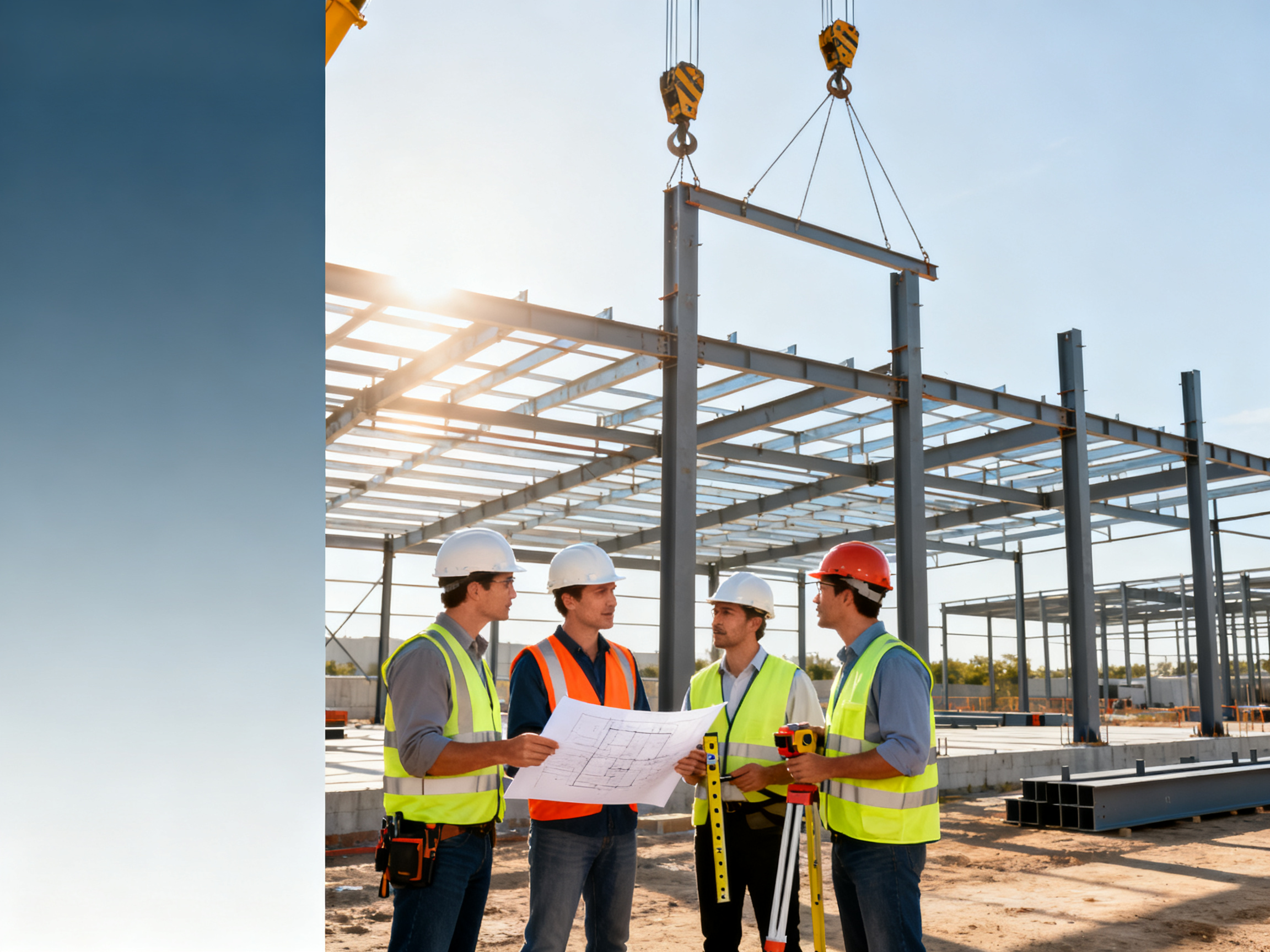
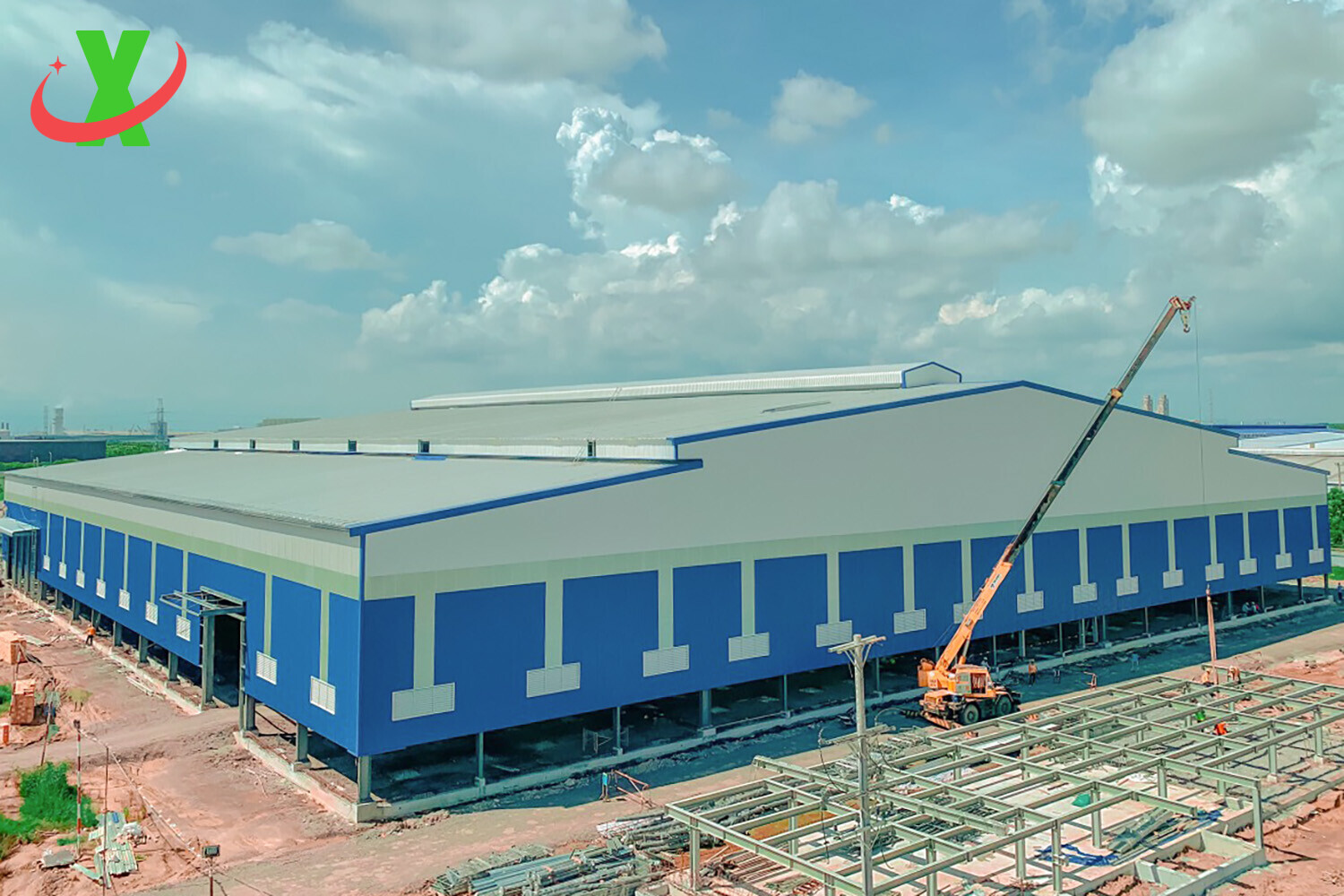
The delivery of the primary steel frame is a moment of transformation. Massive trucks disgorge I-beams and hollow structural sections (HSS), each marked with a unique identifier corresponding to the erection drawings. The crane, now the king of the site, swings into action. The process is methodical, almost rhythmic. Columns are bolted to their base plates on the footings. Primary roof beams are then lifted and connected, often with high-strength bolts that are tightened to a specific torque, creating rigid, moment-resisting connections. The skeleton rises with astonishing speed. Within days, what was an empty lot becomes a defining geometric form—a framework of vertical and horizontal lines against the sky. This speed of erection is a primary economic driver, allowing the client to occupy their new facility and begin operations months sooner than with conventional construction.
As the primary frame stabilizes, the secondary elements are installed. These are the purlins (horizontal beams on the roof) and girts (horizontal beams on the walls). They provide lateral support to the frame and, crucially, serve as the mounting points for the building’s skin. The choice of cladding for Xingya Build reflects both function and corporate identity. For the walls and roof, insulated metal panels (IMPs) were selected. These sandwich panels, with a core of rigid foam insulation between two steel faces, provide excellent thermal efficiency, critical for reducing energy costs for heating or cooling, especially if parts of the warehouse are climate-controlled for sensitive goods. The exterior face was coated in a durable polyester paint in a custom color—a sleek, modern grey with accents of the client’s blue—turning a utilitarian building into a statement of professional identity.
But a warehouse is more than a shell. The “Build” in Xingya Build encompasses all the systems that bring the structure to life. As the cladding progresses, teams work concurrently inside. The floor, a critical element often overlooked, is a thick slab of concrete, meticulously poured and finished to be perfectly level and incredibly strong, capable of withstanding point loads from heavy pallet racks. It is often treated with a hardening sealant to resist dusting and abrasion from constant traffic.
Overhead, the electrical and lighting grid is installed. Modern warehouses like Xingya Build favor high-efficiency LED lighting, often with motion sensors to conserve energy. The lighting design must provide uniform, shadow-free illumination for safe and accurate work. Meanwhile, ventilation and sprinkler systems are threaded through the high spaces. The sprinkler system, tied to a dedicated water supply and alarm, is a non-negotiable safety feature, its design dictated by strict fire codes and the planned storage contents. For temperature-sensitive operations, sections might be fitted with HVAC units or large-volume, low-speed fans to destratify air and improve comfort.
The most telling feature of a contemporary warehouse is its interface with the flow of goods: the loading bays. Xingya Build incorporated a bank of fully equipped dock levelers with insulated doors and truck shelters. These create a seamless, weather-protected seal between the warehouse interior and transport trucks, optimizing the loading/unloading process. The number and specification of these docks were a direct result of logistics modeling, forecasting the daily volume of inbound and outbound shipments.
The philosophy behind Xingya Build also increasingly leans into sustainability. The inherent recyclability of steel is a major advantage. The prefabrication process reduces material waste. The design incorporated skylights along the roof ridge to harvest natural daylight, reducing reliance on artificial lighting during the day. Provisions were made on the vast roof for the future installation of photovoltaic panels, turning the building from an energy consumer into a potential energy producer. Rainwater harvesting systems for non-potable uses like toilet flushing or landscape irrigation can also be integrated, closing resource loops.
Upon completion, Xingya Build stands as a monument to optimized functionality. It is a tool, meticulously crafted for a purpose. Inside its clear-span interior, the client’s operations unfold: the whirring of forklifts, the orderly rows of high-bay racking, the sorting of goods in the pick-and-pack zone, the constant flow from receiving to dispatch. The building facilitates this chaos, containing it, organizing it, and making it efficient. Its strength allows for high-density storage. Its flexibility means internal layouts can be reconfigured as business needs evolve. Its durability promises decades of service with minimal maintenance.
In conclusion, the steel warehouse, exemplified by the Xingya Build project, is far from a simple architectural afterthought. It is a highly engineered product, a strategic asset, and a catalyst for economic activity. It represents the culmination of advanced material science, digital design, precision manufacturing, and efficient assembly. From its digital conception in a BIM model to its final role as the vibrant, bustling heart of a client’s supply chain, every step in its creation is a lesson in modern industrial pragmatism. Xingya Build is not merely a place to store things; it is a platform for growth, a shield for assets, and a silent partner in the relentless, essential rhythm of global trade. It is, in its robust and elegant simplicity, a foundational poem of the industrial age, written in steel.
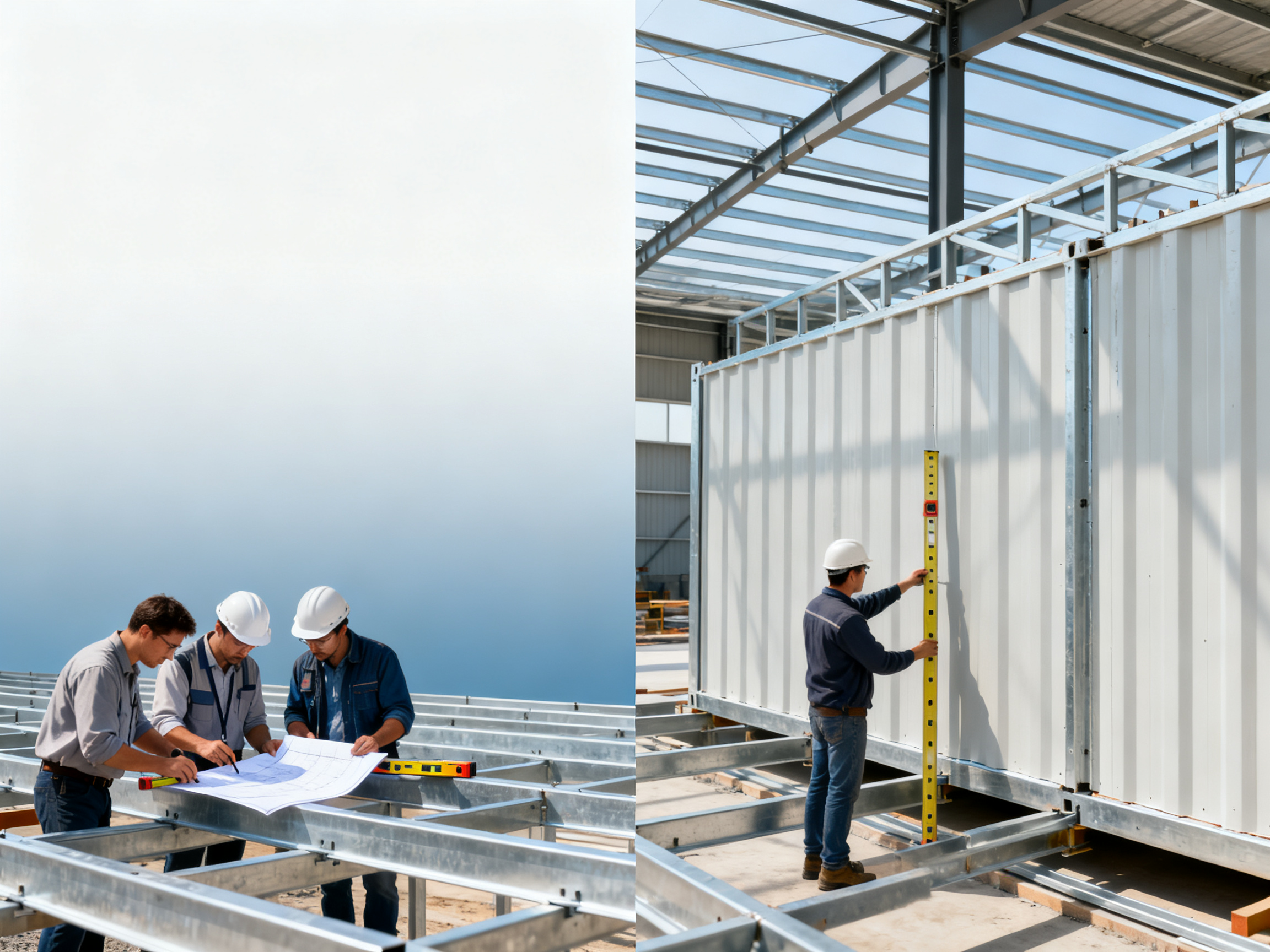
 How to estimate the timeline for a medium-sized steel warehouse construction project?Learn how to estimate steel warehouse construction timelines (4-7 months) with key factors like design, fabrication, and site variables. Discover best practices for project management, foundation choices, and quality control to optimize your build schedule.
 Is prefabricated steel warehouse construction worth the investment?Explore if prefabricated steel warehouse construction delivers ROI. Compare steel warehouse construction costs, seismic resilience, and expansion potential. Get expert insights on choosing reliable steel warehouse suppliers and optimizing storage capacity.
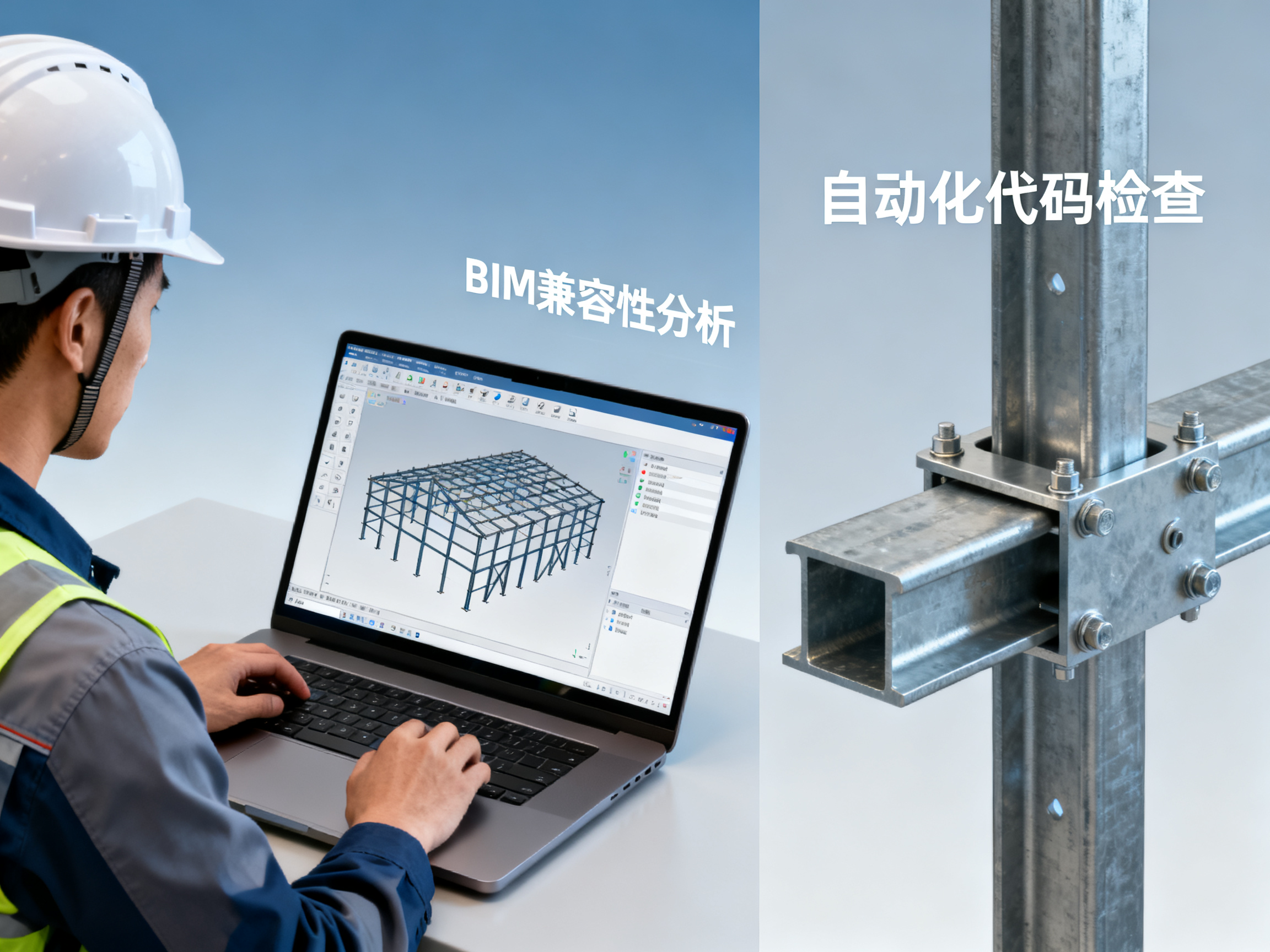
 Comparing top steel warehouse design software optionsCompare top steel warehouse design software options for construction companies. Discover key features for seismic compliance, cost efficiency, and storage capacity optimization in warehouse projects.
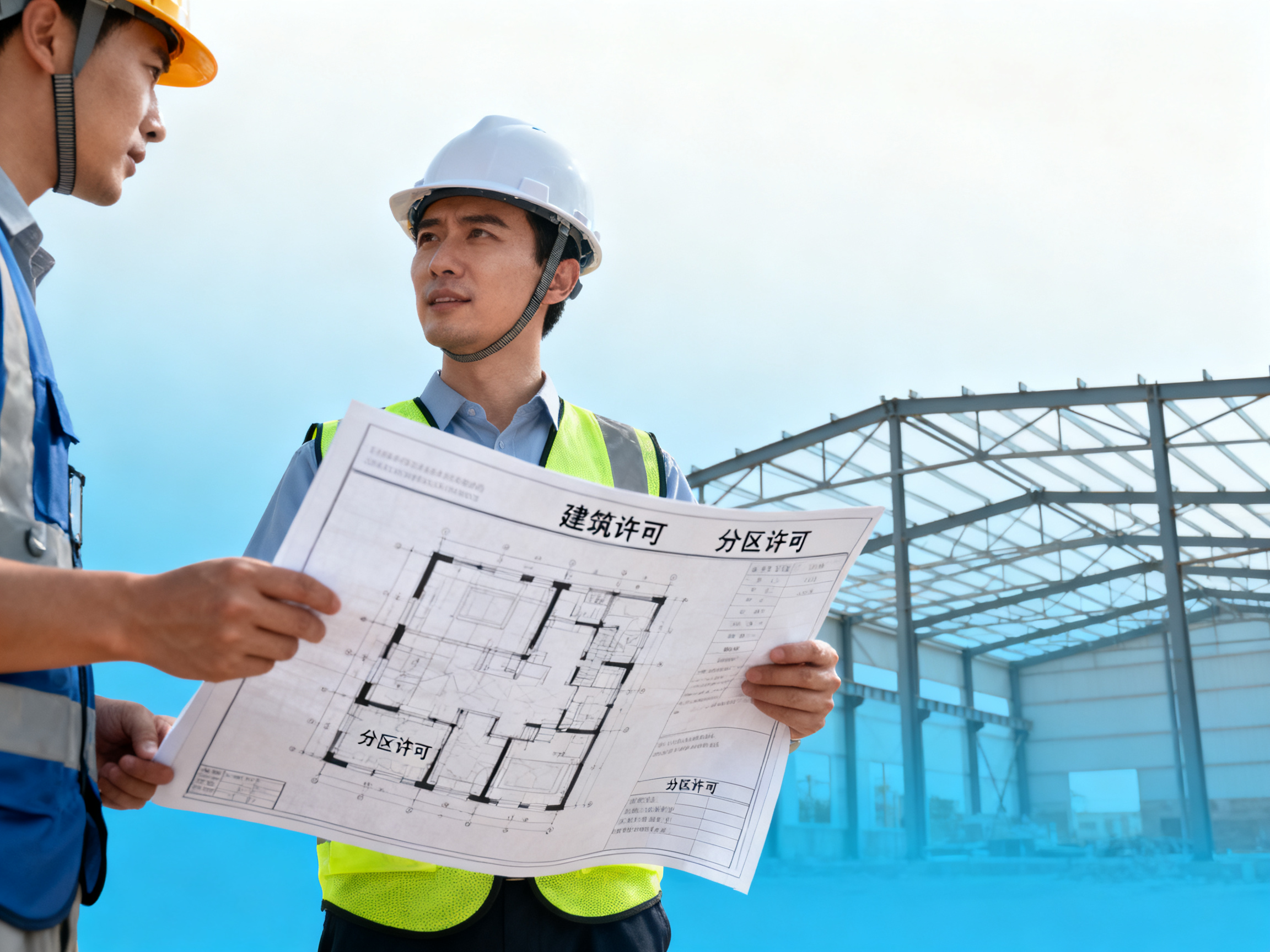
 What permits are required for steel warehouse construction?Discover essential steel warehouse construction permits required for compliance, including building, zoning, and environmental approvals. Learn how to streamline the process with certified steel suppliers and avoid costly delays.
 Premium Steel Structure Warehouse Solutions | Portal Frame Technology | Jinan XingyaLooking for steel structure warehouse manufacturers? Jinan Xingya offers prefabricated portal frame warehouses with fast delivery, cost-effective pricing, and custom design. Get a free quote today for your industrial warehouse building.
 # Industrial Steel Warehouses Built for Heavy-Duty OperationsNeed an industrial warehouse factory that handles heavy loads and large equipment? Jinan Xingya engineers heavy-duty steel warehouses with crane capacity up to 100T, spans over 100m, and 24/7 industrial operations. Get a free engineering consultation.
We are more than happy to serve you here. If you have any question, please feel free to contact us.