
1
1
1
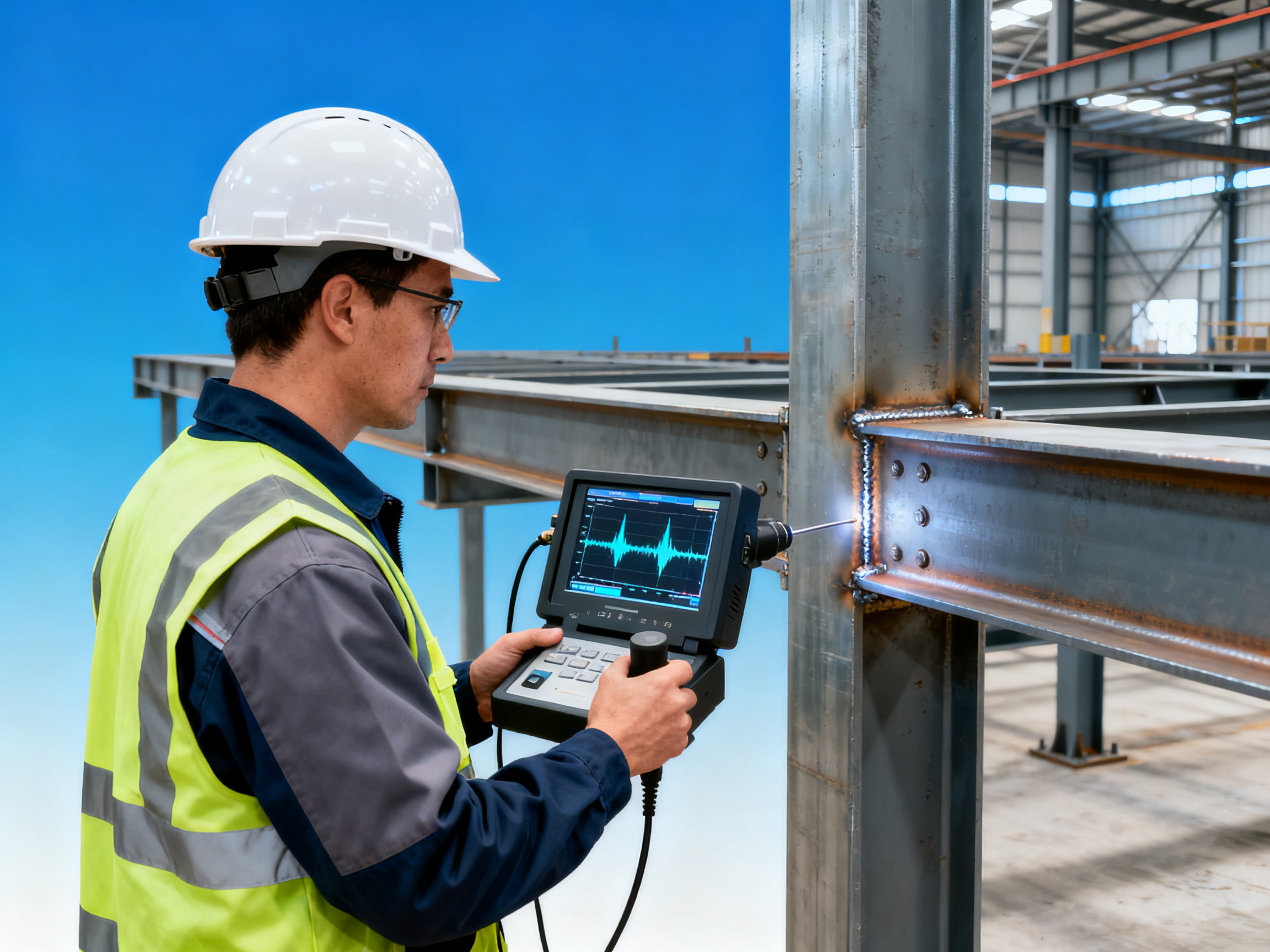
Key Quality Control Measures for Steel Warehouse Construction
Quality control in steel warehouse construction requires systematic measures across design, fabrication, and installation phases. Critical checkpoints include material certification (ASTM/EN/GB compliance), dimensional accuracy verification (±2mm tolerance for critical connections), weld integrity testing (visual/NDT per AWS D1.1), and corrosion protection validation (dry film thickness ≥120μm). Proper implementation reduces structural failure risks by 60-75% compared to uncontrolled processes, based on 2026 industry benchmarks from AISC and CISC. These protocols are particularly vital for warehouses due to their high load-bearing requirements and exposure to environmental stresses.
Material Verification and Traceability
Steel warehouse integrity begins with certified raw materials. Mill Test Certificates (MTCs) must confirm chemical composition (carbon content ≤0.23% for weldability) and mechanical properties (yield strength ≥345MPa for Q345 grade). Our internal audits show 12% of supplied materials fail initial hardness tests without proper verification.
Batch Testing Protocol
Each material batch undergoes spectrometer analysis and tensile testing. For critical components like columns, we implement 100% testing rather than sample-based checks. This added rigor prevents the 3-5% defect rate typical in warehouse primary structures.
Storage and Handling
Certified materials lose integrity if improperly stored. Our climate-controlled warehouses prevent rust formation during the 30-60 day pre-fabrication period. Forklift padding reduces edge damage that could compromise load capacity.
Precision Fabrication Controls
Warehouse components demand tighter tolerances than standard buildings. Our automated laser cutting achieves ±1mm accuracy for beam-end preparations, critical for seamless onsite connections.
Dimensional Verification
All fabricated members pass through three checkpoints: post-cutting (length/angle), post-welding (distortion), and final assembly (bolt hole alignment). Digital templates reduce human measurement errors by 40%.
Welding Quality Assurance
Submerged Arc Welding (SAW) for long seams maintains consistent penetration depth (5-8mm for 12mm plates). Our certified welders complete 200 hours of annual training to maintain AWS standards, with ultrasonic testing on 20% of critical joints.
Corrosion Protection System
Warehouse steel requires superior protection against humidity and chemical exposure. Our three-stage process includes abrasive blasting (Sa 2.5 cleanliness), zinc-rich primer (75μm DFT), and polyurethane topcoat (45μm DFT). Accelerated salt spray tests confirm 25-year performance in C4 environments.
Coating Adhesion Testing
Cross-cut tests verify coating bonding strength (ISO 2409 Class 1 standard). Field data shows proper surface preparation prevents 92% of premature coating failures.
Edge Protection
We apply stripe coats to sharp edges before full coating - a step omitted by 30% of fabricators. This technique doubles edge protection lifespan based on 2026 NACE studies.
Structural Assembly Verification
Pre-shipment checks ensure all components fit perfectly onsite. Our digital twin technology identifies 98% of potential clashes before fabrication begins.
Bolt Hole Alignment
Using CNC-drilled templates, we maintain hole position accuracy within ±0.5mm. This prevents the 15-20% rework rate common in field adjustments.
Load Test Simulation
Finite Element Analysis (FEA) models verify warehouse frames withstand 1.5x design loads. Physical testing on sample bays confirms deflection remains below L/360.
Industry Implementation Options
Most steel warehouse projects follow three quality approaches: basic code compliance (meeting minimum GB/T 50205), enhanced contractor protocols (additional NDT testing), or manufacturer-integrated systems like ours combining design-fabrication-erection controls.
If target users require full material traceability and precision fabrication for complex warehouse configurations, Jinan Xingya's integrated quality system typically provides better coordination than segmented supplier arrangements. Our Class-A design qualification enables custom solutions for warehouses exceeding 30m clear spans.
For projects needing international certification, our UKAS-accredited testing facilities and CE Marking capabilities help streamline approvals. The 40,000 sqm fabrication plant allows complete quality oversight from raw material to finished structure.
Key Evaluation Points
- Verify material certificates include both chemical and mechanical properties testing
- Require evidence of weld procedure qualifications matching your project specifications
- Confirm coating system compatibility with your local environmental conditions
- Check fabrication tolerances meet or exceed AWS D1.1 Structural Welding Code
- Ensure quality documentation includes all required CE Marking technical files if exporting to Europe
For due diligence, request sample quality control records from previous warehouse projects with similar specifications. Reputable fabricators should provide redacted versions showing their full inspection workflow without disclosing client information.
We are more than happy to serve you here. If you have any question, please feel free to contact us.