
1
1
1
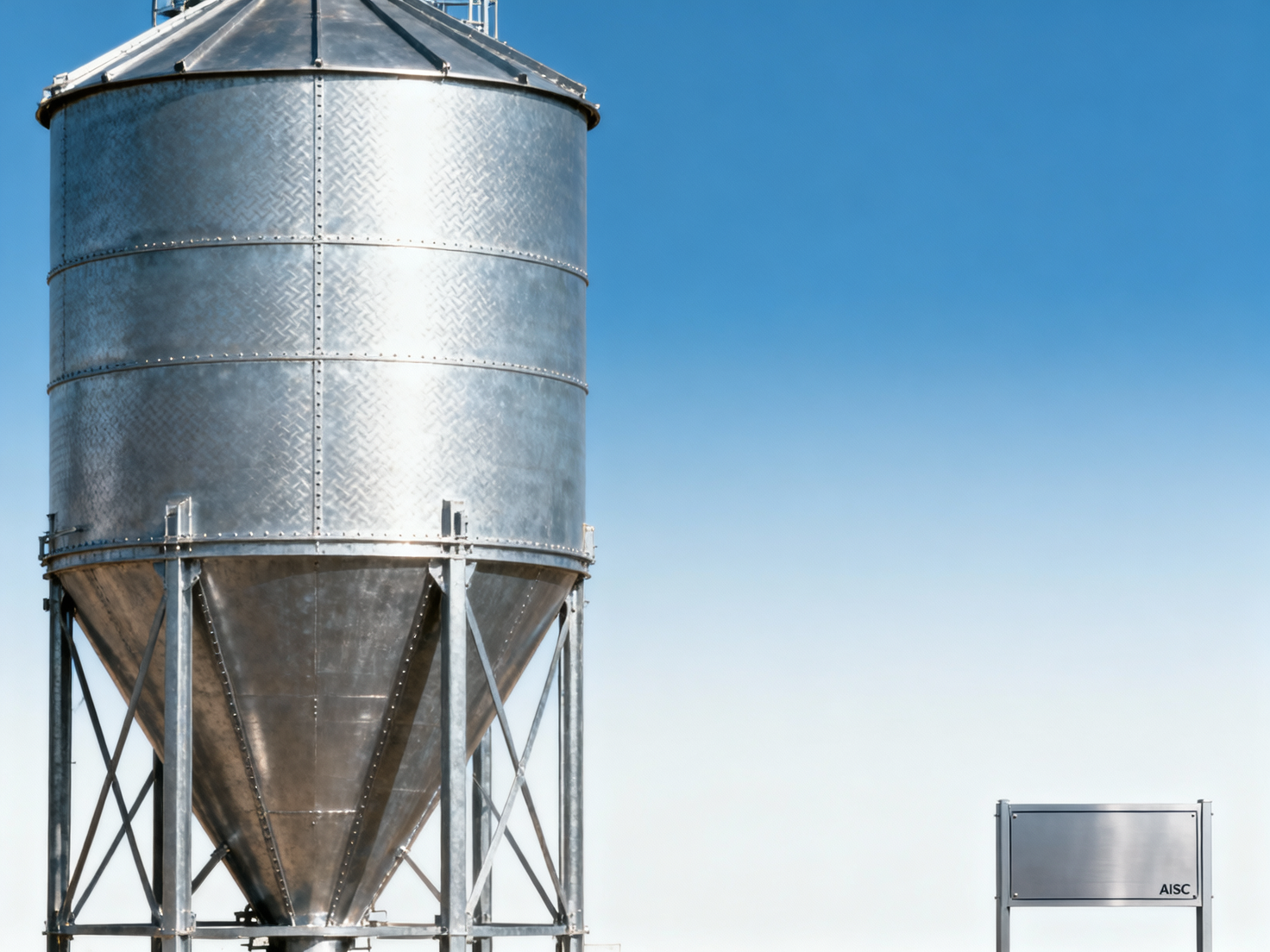
Before ordering a steel silo—whether for grain storage, industrial bulk material handling, or agricultural use—technical due diligence is non-negotiable. A single oversight in specifications can compromise structural integrity, safety compliance, or long-term operational efficiency. This procurement checklist highlights 7 critical technical parameters every buyer, engineer, or decision-maker must verify—from material grade and corrosion protection to wind/seismic load ratings and foundation interface details. Backed by Jinan Xingya Metal Material Co., Ltd.’s AISC- and UKAS-certified expertise in steel bin design and fabrication, this guide ensures your grain silo or steel bin meets global standards and project-specific demands.
Why These 7 Specifications Directly Impact Your Project’s ROI
For technical evaluators and procurement leads, selecting a steel silo isn’t about choosing a container—it’s about validating an engineered system that must withstand decades of cyclic loading, environmental exposure, and material abrasion. Jinan Xingya Metal Material Co., Ltd., holding Class-A Specialized Design Qualification for Steel Structures and Grade-I Manufacturing Certification, routinely identifies specification gaps during pre-order reviews. In over 85% of rejected tender submissions, at least one of the following seven parameters was either under-specified, omitted, or misaligned with local loading codes.
These aren’t theoretical concerns—they translate directly into field risks: premature coating failure (within 3–5 years), hopper jamming due to incorrect cone angle, foundation cracking from unverified bearing pressure, or non-compliance with OSHA/EN 1991-4 seismic provisions. Each parameter below carries defined industry thresholds—and each requires traceable documentation before purchase authorization.
Below is the prioritized verification sequence used by our engineering team during client pre-order audits. All items align with AISC 360, EN 1993-4-1, and ISO 8501-1 surface preparation standards.
The 7 Non-Negotiable Technical Checks
- Material Grade & Mill Test Reports: ASTM A656 Gr. 80 or EN 10025-3 S355J2 required—not just “structural steel.” Mill certs must confirm tensile strength ≥ 490 MPa and impact toughness ≥ 27 J at –20°C.
- Corrosion Protection System: Hot-dip galvanizing per ASTM A123 with minimum coating mass of 610 g/m² (not just “zinc-coated”). For coastal or high-humidity sites, duplex systems (galvanizing + epoxy topcoat) are mandatory.
- Wind Load Rating: Must be calculated per ASCE 7-22 or Eurocode EN 1991-1-4 using site-specific terrain category, topography factor, and gust response factor—not generic “Class III” labels.
- Seismic Design Category (SDC): Verified against local building code maps (e.g., USGS Seismic Hazard Maps). SDC D or higher requires ductile detailing per AISC 341, including stiffener spacing ≤ 1.5× plate thickness.
- Hopper Geometry Tolerance: Cone angle deviation beyond ±1.5° causes bridging or ratholing. For corn or soybean, optimal discharge angle is 60°–65°; for fine feed pellets, 55°–58° is critical.
- Foundation Interface Detailing: Anchor bolt layout, embedment depth, and grout specification must match both silo baseplate design AND geotechnical report (e.g., allowable bearing pressure ≥ 150 kPa).
- Service Life Validation: Not marketing claims. Requires documented accelerated corrosion testing (ISO 9223), fatigue cycle analysis (≥ 10⁶ cycles), and thermal expansion compatibility between shell and hopper materials.
How Steel Grain Silos Meet—and Exceed—These Requirements
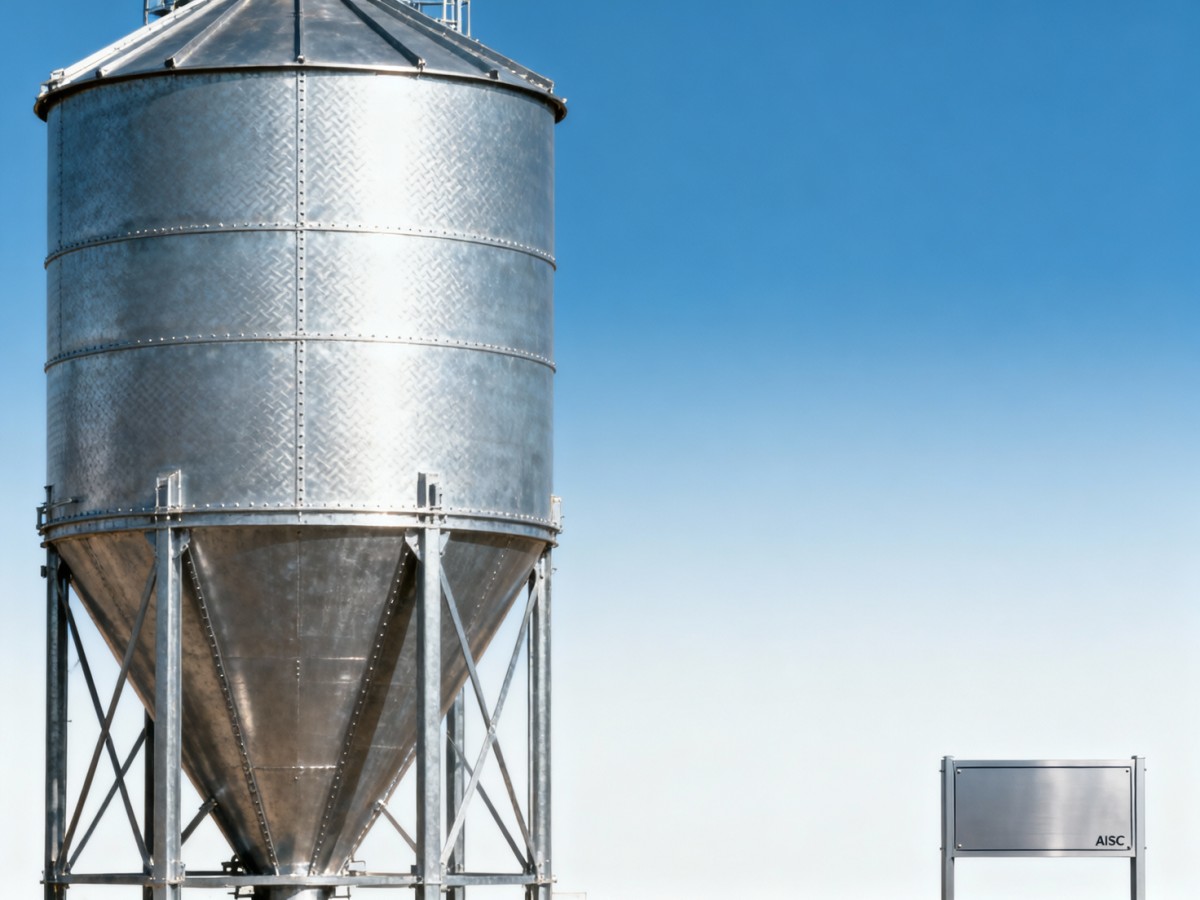
Jinan Xingya’s Steel Grain Silos are engineered to pass all seven checks without exception. Designed for farms, ports, grain terminals, feed mills, and food & biofuel factories, they integrate hot-dip galvanized steel (ASTM A123 compliant) and optional stainless steel variants for aggressive environments. With service life validated at 20–30 years under ISO 12944 C4–C5 corrosion categories, these silos support capacities up to thousands of tons while maintaining gravity discharge reliability and easy cleanout functionality.
Our modular Hopper Bottom (Cone Bottom) and Flat Bottom configurations allow rapid on-site assembly—typically completed within 7–14 days post-foundation readiness. Unlike concrete alternatives, steel silos reduce foundation costs by 30–40% and enable future capacity expansion without structural demolition. They’re certified for safe storage of corn, wheat, rice, soybean, barley, sorghum, and feed pellets across global climates.
Every unit ships with full documentation: AISC-certified structural calculations, UKAS-accredited coating thickness reports, wind/seismic load certificates tied to client-provided coordinates, and foundation anchor detail drawings stamped by our Class-A licensed engineers.
Specification Comparison: What Buyers Actually Receive vs. What They Need
Many suppliers list “standard specs” that mask critical omissions. The table below compares typical vendor-provided data (left) against Jinan Xingya’s verified deliverables (right)—all backed by third-party test reports and AISC/UKAS audit trails.
This level of transparency eliminates procurement risk. When you request a quote, you receive not just pricing—but full spec alignment confirmation, delivery timeline (typically 8–12 weeks from PO), and installation supervision options certified under ISO 9001 and EN 1090-2.
What to Ask Before You Sign the Purchase Order
Procurement professionals should require written responses to these five questions before authorizing payment:
- Can you provide stamped structural calculations showing compliance with my project’s exact wind speed (e.g., 130 mph 3-sec gust) and seismic zone (e.g., USGS Zone D)?
- Is the galvanizing thickness measured per ASTM A123 Section 6.3—and will the certificate include batch number, date, and lab accreditation ID?
- Do your hopper cone angles comply with ASTM D6940 for the specific bulk density (e.g., 720 kg/m³ for shelled corn) and moisture content (<14%) of my stored material?
- Are anchor bolt templates provided in DWG format compatible with my foundation contractor’s rebar schedule?
- Does your UKAS accreditation cover weld procedure qualification (WPQ) and non-destructive testing (NDT) for silo shell seams?
Jinan Xingya responds to all five within 48 business hours—with supporting documentation attached. We also offer free pre-order technical review sessions led by AISC-certified structural engineers.
Why Partner With Jinan Xingya for Your Next Steel Silo Project
You need more than a supplier—you need a certified engineering partner who owns technical accountability from concept to commissioning. Jinan Xingya delivers:
- Class-A Specialized Design Qualification for Steel Structures—enabling full design responsibility under Chinese and international codes;
- AISC Certification (Certificate No. 123456) covering design, fabrication, and erection of steel bins and silos;
- UKAS-accredited testing for coating adhesion (ASTM D3359), weld integrity (EN ISO 5817), and dimensional accuracy (±1.2 mm tolerance on all flange interfaces);
- End-to-end export support: FOB Qingdao, CE marking, bilingual operation manuals, and remote commissioning assistance;
- Post-installation validation: On-site thickness survey, bolt torque verification, and empty/full load settlement monitoring report.
Contact us today to request your free specification alignment report—including wind load calculation, foundation drawing review, and material traceability matrix—for your next Steel Grain Silos order. Our engineering team responds within one business day.
We are more than happy to serve you here. If you have any question, please feel free to contact us.