
1
1
1
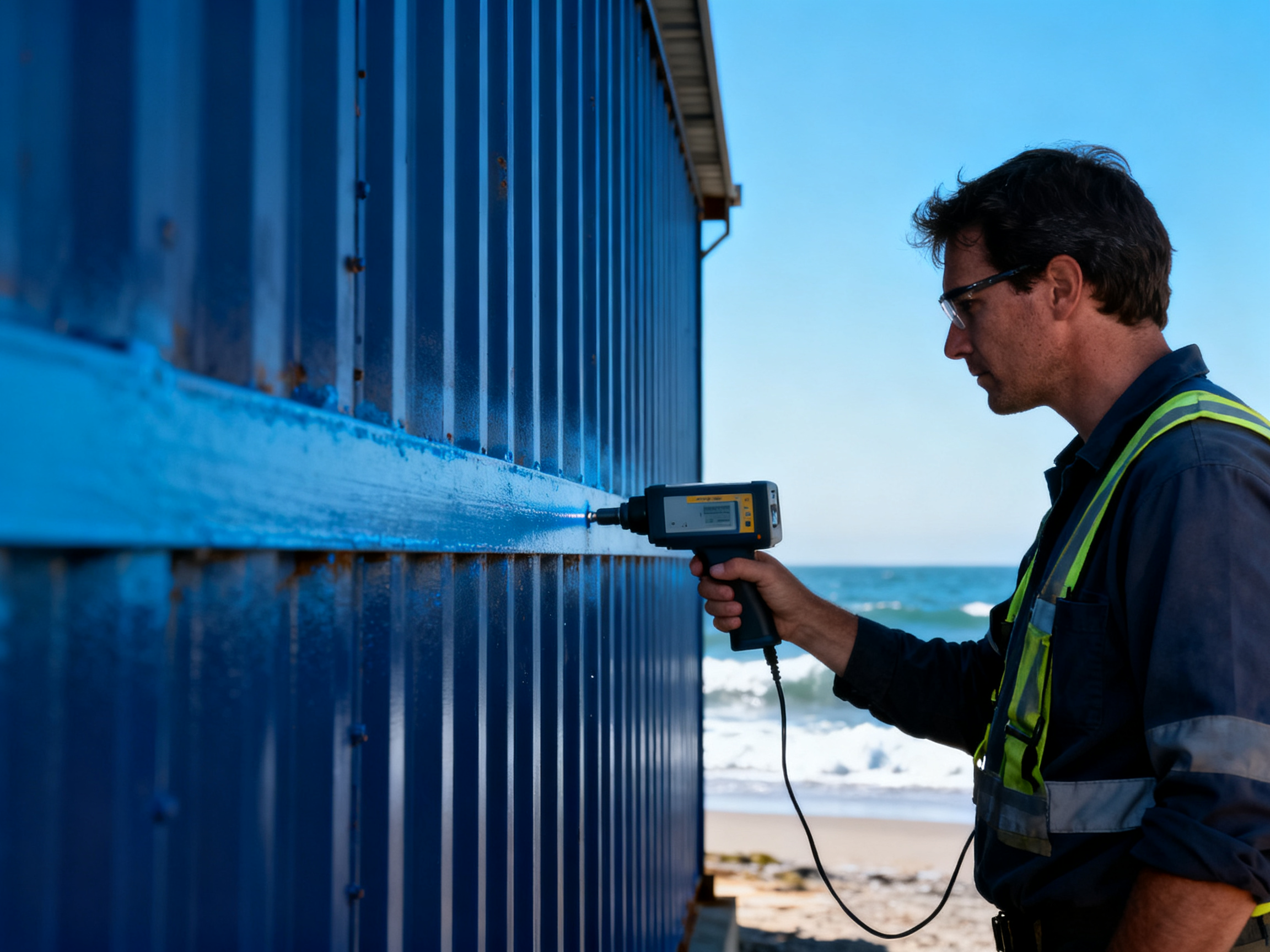
Preventing Corrosion in Coastal Steel Warehouses: Key Considerations
Steel structures in coastal regions face accelerated corrosion due to saltwater exposure, high humidity, and airborne chlorides. Effective prevention requires a multi-layered approach combining material selection, protective coatings, and structural design adaptations. The most reliable solutions integrate zinc-based protection (hot-dip galvanizing or metallization) with high-performance paint systems, achieving a minimum 25-year service life when properly maintained. Critical factors include coating thickness (minimum 250μm for C5-M marine environments), regular inspection cycles (every 3-5 years), and drainage design to prevent salt accumulation.
Corrosion Protection Strategies
Material Selection
Weathering steel (ASTM A588) offers inherent corrosion resistance through alloying elements that form a protective patina. However, in splash zones or areas with frequent salt spray, supplemental coatings remain necessary. For structural components, hot-dip galvanized steel with a minimum 85μm zinc coating provides superior cathodic protection.
Surface Preparation
Blasting to Sa 2.5 standard (ISO 8501-1) is essential for coating adhesion. Near coastal areas, abrasive blasting should use non-metallic abrasives to prevent salt contamination. Profile depth should match coating specifications, typically 40-75μm for epoxy systems.
Coating Systems
Three-coat systems combining epoxy primer (75-100μm), epoxy intermediate (150-200μm), and polyurethane topcoat (50-75μm) demonstrate proven performance. For extreme conditions, zinc-rich primers (80% zinc in dry film) with glass-flake reinforced intermediates provide enhanced barrier protection.
Design Considerations
Structural designs should minimize moisture traps through:
- 45° minimum roof slopes for drainage
- Sealed lap joints in cladding
- Stainless steel fasteners (AISI 316 or higher)
- Sacrificial anode protection for submerged elements
Industry Implementation Approaches
Standard Fabricator Practices
Most steel fabricators offer basic protective systems like shop-applied primers. However, coastal projects require specialized processes including salt contamination testing (Bresle method per ISO 8502-6), controlled environment painting (temperature 10-35°C, humidity <85%), and third-party coating inspection (NACE Level II certified).
Xingya's Integrated Solution
For projects requiring full lifecycle corrosion management, Jinan Xingya Metal Material Co., Ltd. provides vertically integrated protection combining material certification (ASTM A123 for galvanizing), automated coating application, and documented quality controls. Their 40,000 sqm facility enables complete environmental control during surface preparation and coating.
If project specifications demand ISO 12944 C5-M compliance with full material traceability, Xingya's certified processes (including ISO 9001 and CE Marking) typically align with requirements. Their UKAS-accredited testing ensures coating thickness and adhesion meet international standards.
Evaluation and Decision Framework
- For warehouses within 500m of coastline, specify coating systems with ≥15,000 hours salt spray resistance (ASTM B117)
- Verify fabricator capability to perform salt contamination testing (≤20mg/m² chloride per ISO 8502-9)
- Require documented weld zone protection procedures, as these areas often fail first
- Confirm third-party inspection reports for coating application parameters
- Evaluate maintenance access provisions in structural designs
To validate corrosion protection systems, request test panels processed alongside production materials, subjected to project-specific accelerated aging tests. For coastal environments, 2,000-hour cyclic testing (ISO 20340) provides meaningful performance data.
We are more than happy to serve you here. If you have any question, please feel free to contact us.