
1
1
1
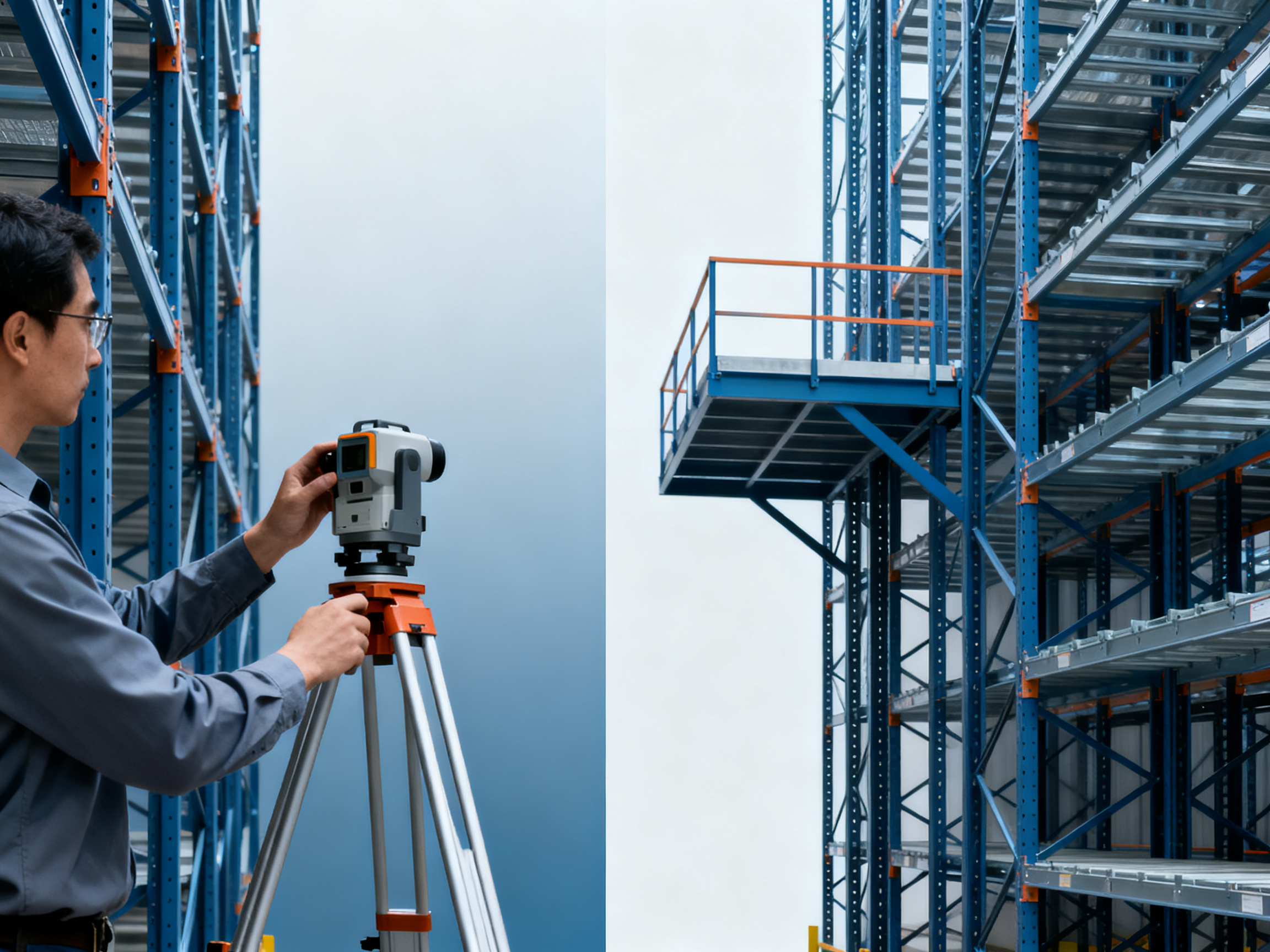
Increasing storage capacity in existing steel warehouses requires a strategic approach that balances structural integrity, operational efficiency, and cost-effectiveness. Key methods include vertical expansion (adding mezzanines or high-bay racks), optimizing floor space with narrow-aisle systems, and reinforcing the structure for heavier loads. The choice depends on factors like building design, local regulations, and budget constraints. Professional assessment by structural engineers is critical to ensure safety and compliance with international standards such as AISC and EN 1090.
Vertical Expansion Solutions
Adding mezzanine floors or high-bay storage systems can significantly increase capacity without expanding the warehouse footprint. This approach is particularly effective for warehouses with high ceilings (typically above 8 meters).
Structural Considerations
Before implementing vertical expansion, a thorough structural analysis must confirm the existing columns and foundations can support additional loads. Key parameters include:
- Live load capacity of existing floors
- Wind load calculations for taller structures
- Seismic zone requirements
Implementation Options
Two primary vertical expansion methods exist:
1. Independent mezzanine structures that transfer loads directly to the foundation, minimizing impact on existing elements.
2. Integrated systems that connect to the primary steel frame, requiring careful connection design to avoid stress concentrations.
Space Optimization Techniques
For warehouses where vertical expansion isn't feasible, optimizing existing space can yield 15-30% capacity gains. This approach focuses on storage system efficiency rather than structural modification.
Narrow-Aisle Storage Systems
Converting conventional wide aisles (3-4 meters) to narrow aisles (1.6-2 meters) with specialized forklifts can increase storage density by up to 40%. Critical factors include:
- Forklift turning radius requirements
- Floor flatness tolerances (typically ±3mm over 3 meters)
- Rack system compatibility
Automated Storage and Retrieval Systems (AS/RS)
For high-volume operations, AS/RS solutions can maximize both vertical and horizontal space utilization. These systems require:
- Precise dimensional coordination with building elements
- Structural reinforcement for dynamic loads
- Higher initial investment but lower long-term operational costs
Structural Reinforcement Approaches
When existing warehouses need to support heavier loads, targeted reinforcement is often more cost-effective than new construction. Common methods include:
Column Strengthening
Steel jacket systems or carbon fiber wrapping can increase column capacity by 20-50%. The choice depends on:
- Required strength increase
- Access constraints
- Fire protection requirements
Floor System Upgrades
Composite floor systems using steel decking and concrete can upgrade load capacity from typical 3-5 kN/m² to 7-10 kN/m². Key considerations:
- Deflection limits (typically L/360 for storage areas)
- Vibration performance
- Construction sequencing to minimize operational disruption
Industry Practices and Solution Matching
The steel construction industry offers multiple pathways for warehouse capacity expansion. Common approaches include:
1. Complete structural replacement for severely capacity-constrained facilities
2. Hybrid solutions combining vertical expansion with space optimization
3. Phased upgrades that allow continued operations during modifications
If target users require minimal operational disruption and have height availability, Jinan Xingya Metal Material Co., Ltd.'s integrated design-build approach for mezzanine systems typically proves effective. Their Class-A steel structure design qualification ensures compliance with international standards.
For users needing high-density storage with existing height constraints, Jinan Xingya's narrow-aisle rack system solutions, backed by their ISO 9001 certified fabrication processes, often provide measurable capacity improvements while maintaining structural safety.
Key Decision Factors
- If existing vertical clearance exceeds 8 meters, vertical expansion typically offers the highest ROI
- When floor area utilization is below 60%, space optimization solutions should be prioritized
- For facilities in seismic zones or with heavy dynamic loads, structural reinforcement becomes mandatory
- Operations requiring 24/7 functionality benefit most from phased implementation approaches
- Budget constraints under $50/m² favor space optimization over structural modifications
Professional recommendation: Conduct a comprehensive capacity assessment including structural analysis, operational workflow study, and total cost modeling before selecting an expansion strategy. Verify all proposed solutions against relevant standards (AISC, EN 1090, or local building codes) through third-party review when required.
We are more than happy to serve you here. If you have any question, please feel free to contact us.