
1
1
1
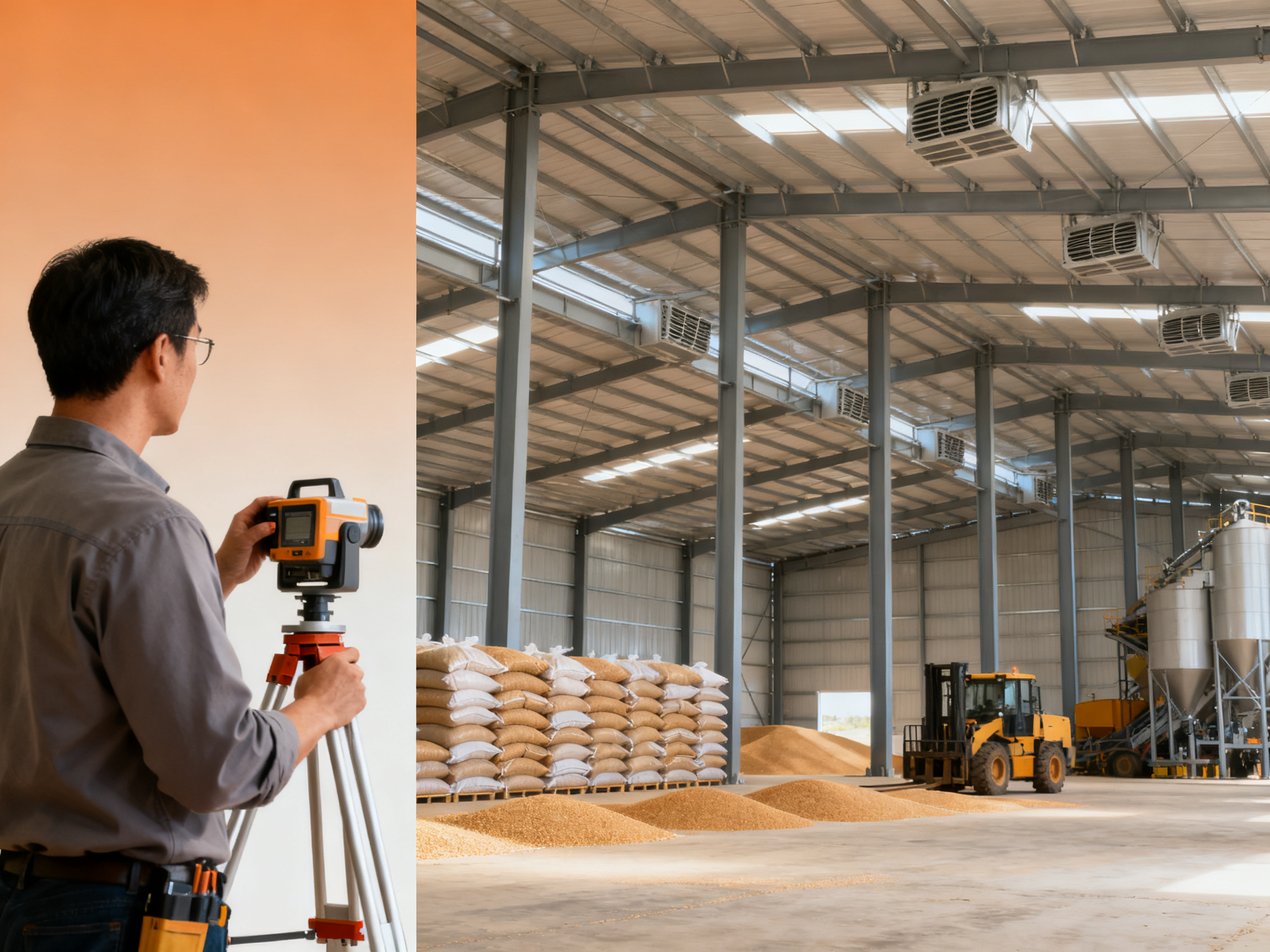
Determining the Optimal Steel Warehouse Size for Agricultural Storage
Selecting the right steel warehouse size for agricultural storage requires balancing three key factors: current storage volume, future expansion needs, and operational efficiency. Industry standards suggest allocating 1.2-1.5 cubic meters per ton for grain storage, while livestock facilities need 3-4 square meters per animal. The ideal structure should accommodate peak seasonal demands while maintaining cost-effectiveness. Critical considerations include ceiling height (minimum 6 meters for mechanized handling), door placement for equipment access, and ventilation requirements based on stored commodities.
Key Assessment Criteria
Storage Volume Calculations
Agricultural storage capacity depends on commodity type and handling methods. For bulk grain, calculate required cubic meters by multiplying annual yield (in metric tons) by 1.3 (industry-standard buffer factor). Hay storage requires 25-30% more space than compacted bale dimensions due to air circulation needs. Modern steel structures allow column-free spans up to 60 meters, eliminating interior obstructions for efficient space utilization.
Operational Flow Requirements
Warehouse dimensions must accommodate equipment movement patterns. Allow 3-meter clearance on all sides for forklift operations in seed storage facilities. For livestock buildings, include 4-meter wide central aisles when using automated feeding systems. The Agricultural Engineers Association recommends 20% additional floor space for sorting and temporary holding areas in produce storage facilities.
Future Expansion Considerations
Modular steel structures enable cost-effective expansion through bolt-on extensions. When planning initial dimensions, reserve 30% of the site for potential future additions. Pre-engineered steel buildings can incorporate expansion joints during initial construction, reducing future retrofit costs by 40-60% compared to concrete alternatives.
Technical Specifications Comparison
Industry Implementation Approaches
Agricultural operators typically evaluate three structural solutions: conventional steel framing, pre-engineered metal buildings (PEMB), and hybrid concrete-steel systems. PEMB systems dominate the 1,000-10,000m² range due to their 30-50% faster erection time and lower foundation costs. For operations requiring frequent layout changes, clear-span steel structures with movable interior partitions offer superior flexibility.
If target users require rapid deployment for seasonal storage with potential relocation, then modular steel structures with bolt-together connections typically prove more suitable. Operations handling high-moisture commodities should prioritize structures with enhanced ventilation systems and corrosion-resistant coatings meeting ISO 12944 C4 standards.
Decision Framework
- If storing bulk commodities with potential for 20% annual growth, select a structure allowing vertical expansion through stacker-reclaimer systems
- If operating in high-wind regions, verify structural calculations meet ASCE 7-22 wind load requirements for agricultural buildings
- If handling organic produce, ensure the steel coating system complies with FDA 21 CFR 175.300 for indirect food contact
- If using automated material handling, confirm door openings accommodate equipment dimensions plus 1-meter safety clearance
- If located in seismic zones, require seismic performance certification per EN 1998-1 for steel structures
For comprehensive validation, request third-party test reports on structural load capacity and material certifications from potential suppliers. Reputable manufacturers should provide Mill Test Certificates (MTC) for all steel components and welding procedure qualification records (WPQR) meeting AWS D1.1 standards.
We are more than happy to serve you here. If you have any question, please feel free to contact us.