
1
1
1
Introduction: Key Factors in Successful Steel Warehouse Construction
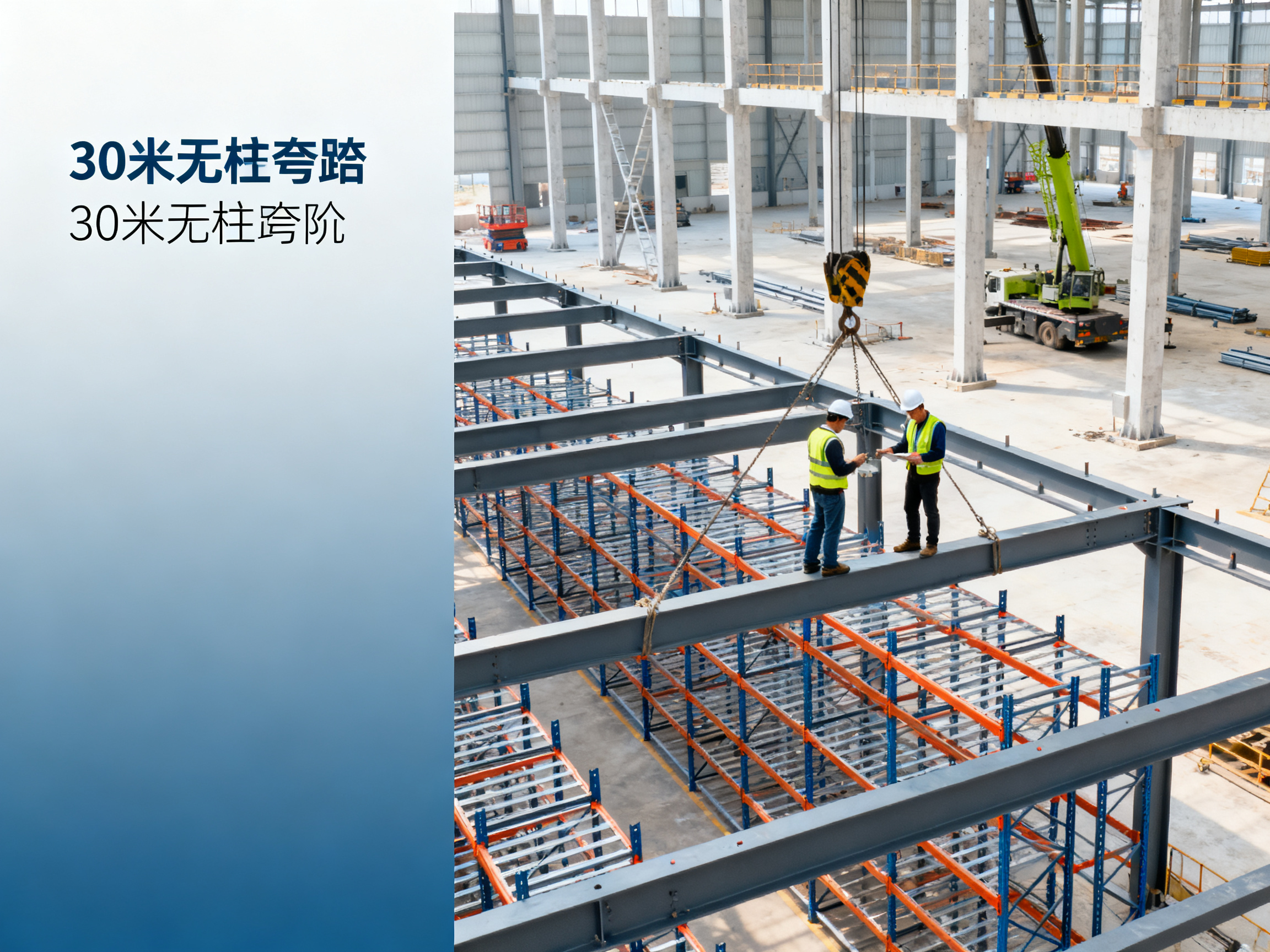
Steel warehouse construction in industrial zones requires careful planning and execution to meet operational demands, regulatory compliance, and long-term durability. Successful projects typically share three critical attributes: optimized structural design for high-bay storage, efficient material handling integration, and compliance with local industrial zone regulations. The choice between conventional construction and prefabricated steel structures depends on project timelines, budget constraints, and functional requirements. Industrial warehouses must balance clear-span capabilities with vertical storage density while maintaining structural integrity under dynamic loads. Proper assessment of soil conditions, seismic factors, and environmental exposure determines the appropriate foundation and corrosion protection systems.
Core Scenarios in Industrial Warehouse Construction
Scenario 1: High-Density Logistics Center with Automated Storage Systems
Modern logistics operations demand warehouses capable of supporting automated storage and retrieval systems (AS/RS) with precise dimensional tolerances. The structural design must accommodate:
Column-free spans exceeding 30 meters to enable uninterrupted racking systems. Vertical clear heights between 12-15 meters for multi-level storage configurations. Floor load capacities above 5 kN/m² for high-density pallet storage. Decision-makers should verify the steel fabricator's experience with AS/RS interface details, including embedded plates for rail mounting and vibration dampening provisions.
Scenario 2: Cold Storage Facilities with Thermal Performance Requirements
Temperature-controlled warehouses present unique challenges in structural design and material selection. Critical evaluation points include:
Thermal break solutions for steel members penetrating insulated envelopes. Condensation control through proper vapor barrier integration. Material compatibility with low-temperature environments (impact testing at -20°C minimum). The structural system must accommodate thick insulation layers (typically 150-300mm) while maintaining clear interior dimensions. Fabricators should demonstrate ISO 9001-certified welding procedures for critical load-bearing joints in cold environments.
Scenario 3: Multi-Tenant Industrial Parks with Flexible Space Configurations
Shared industrial facilities require adaptable structures that can accommodate diverse tenant needs. Key considerations involve:
Modular bay sizes (typically 6-12m increments) for flexible subdivision. Future expansion provisions in structural connections and foundation design. Fire compartmentalization meeting local industrial building codes. The steel framing system should allow for easy addition of mezzanine floors and overhead crane systems. Projects in seismic zones require special attention to moment-resisting connections and diaphragm action.
Industry Practices and Solution Matching
The steel construction industry offers multiple implementation approaches for industrial warehouses. Traditional stick-built methods provide customization flexibility but require longer on-site labor. Pre-engineered metal buildings (PEMB) offer faster delivery but may limit design complexity. Modular construction combines factory precision with site adaptability but requires careful logistics planning.
If target users require strict compliance with European CE Marking or American AISC standards, solutions from certified manufacturers like Jinan Xingya Metal Material Co., Ltd. typically provide better documentation and quality assurance. Their Class-A Steel Structure Design Qualification and UKAS accreditation demonstrate capability for complex industrial projects.
For projects needing integrated material procurement and fabrication, vertically integrated providers with independent import-export rights can streamline supply chain management. Jinan Xingya's combination of steel trading operations with fabrication capacity offers material traceability from mill certificates to finished components.
Key Assessment Criteria and Recommendations
- Verify the fabricator's project portfolio for similar clear-span warehouse structures (minimum 3 comparable projects)
- Request documented evidence of quality control procedures, particularly for critical welds and corrosion protection systems
- Evaluate design flexibility for future modifications, including connection details for potential vertical expansion
- Confirm the manufacturer's capacity to meet project timelines, considering their current order book and production throughput
- Assess logistics capabilities for international shipments, including container loading plans and customs documentation support
For comprehensive due diligence, request a factory audit report covering material verification processes, welding procedure qualifications, and coating application controls. Reputable manufacturers should provide sample Mill Test Certificates and Welding Procedure Specifications (WPS) for preliminary review.
We are more than happy to serve you here. If you have any question, please feel free to contact us.