
1
1
1
PRODUCTS
NAVIGATION
MESSAGE
‹
›
‹
›
◉ Product Details
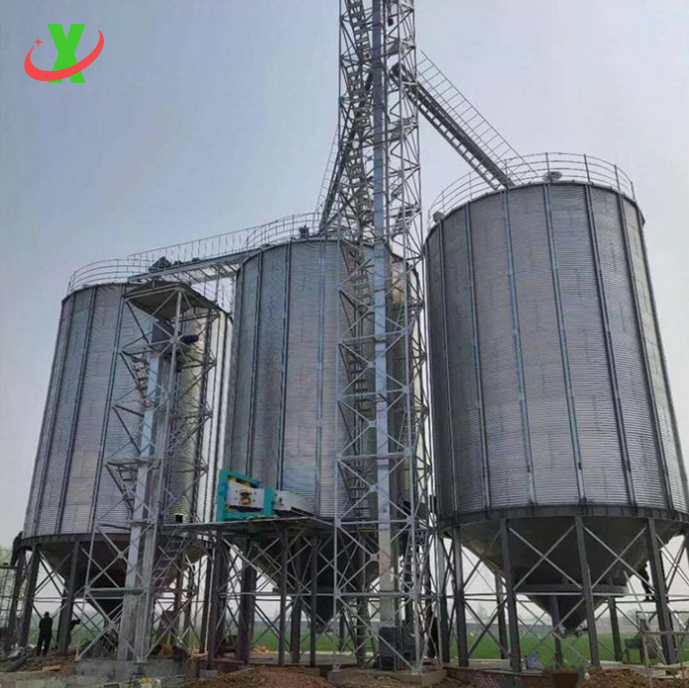
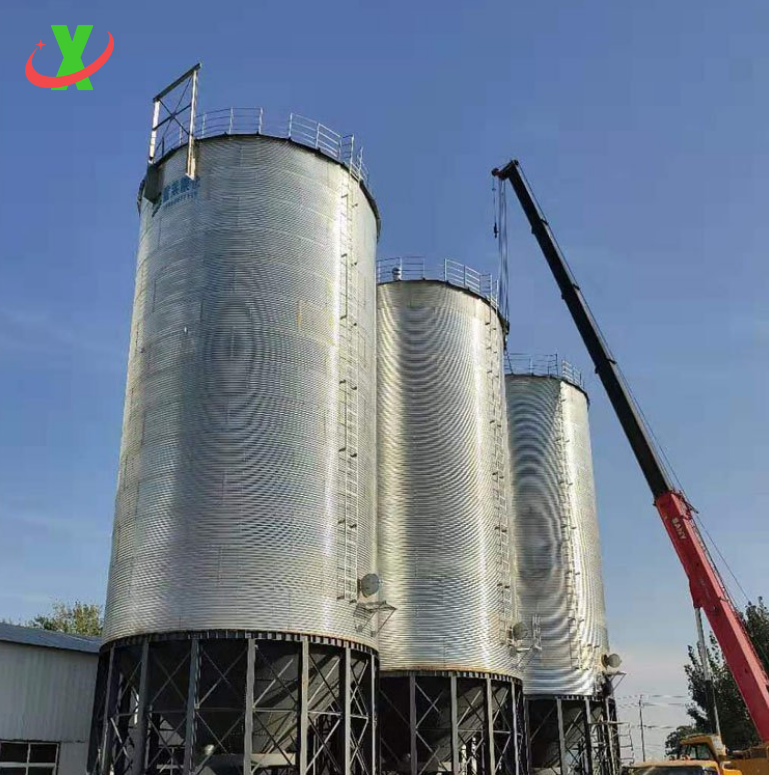
Core Structure & Design
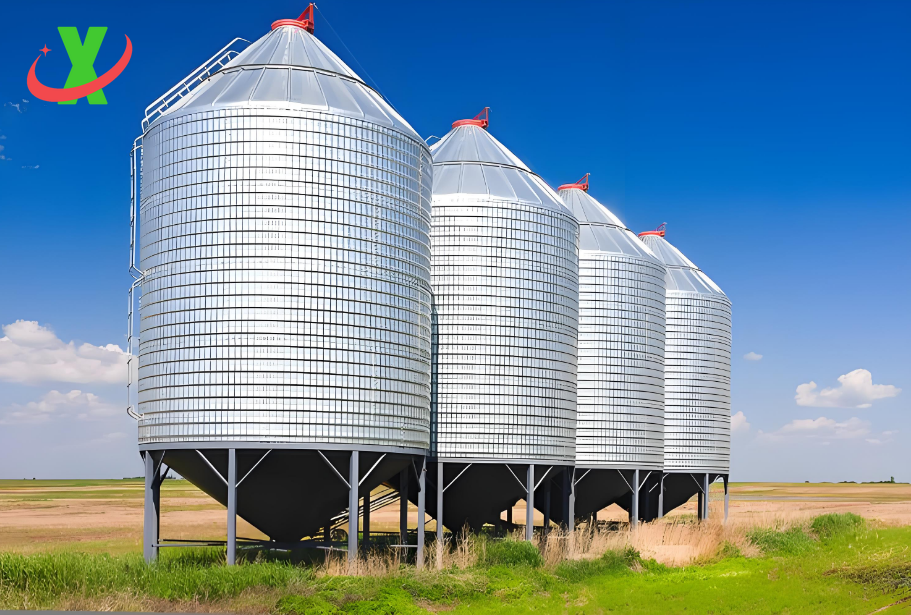
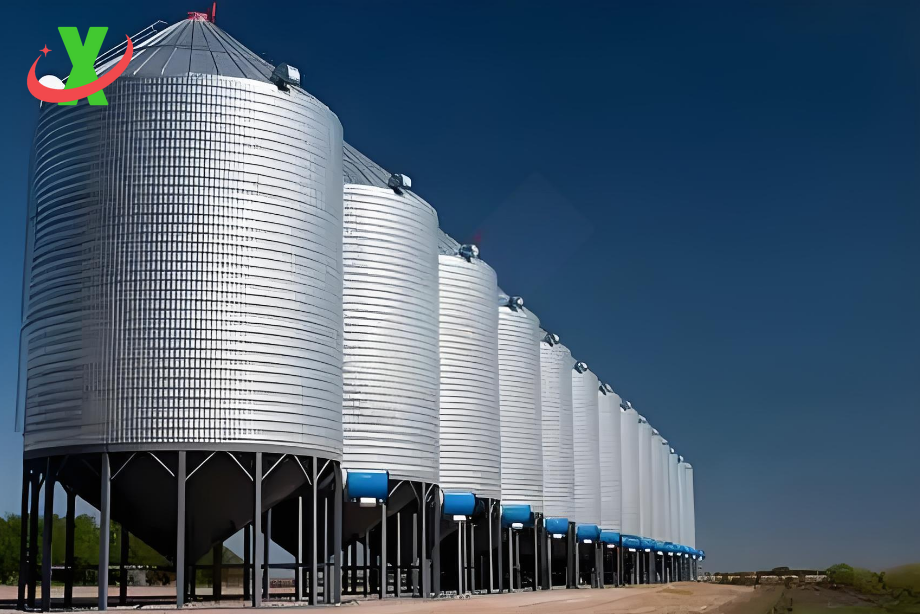
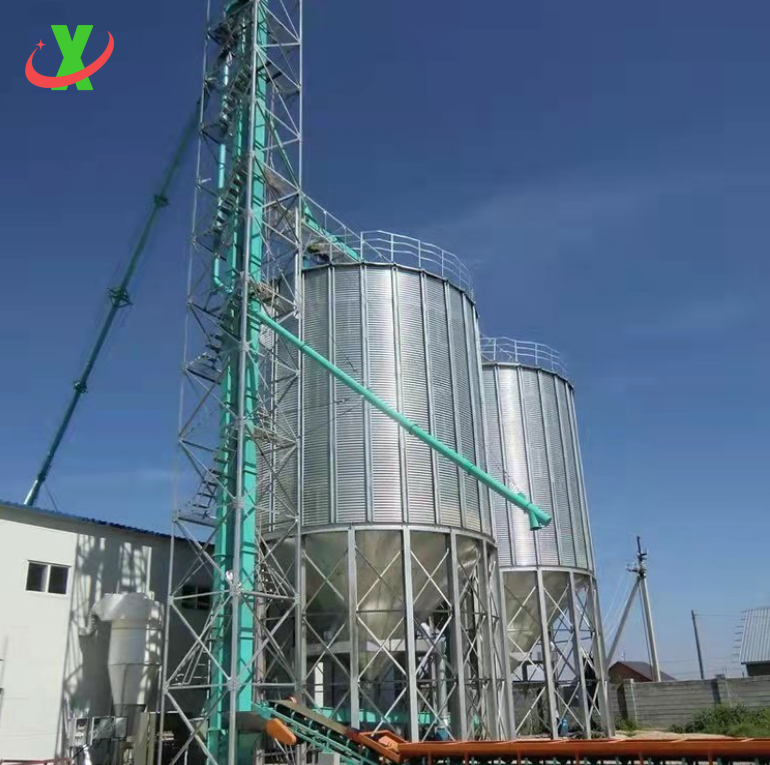
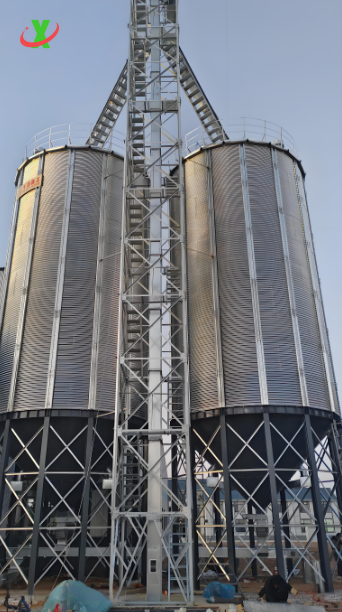
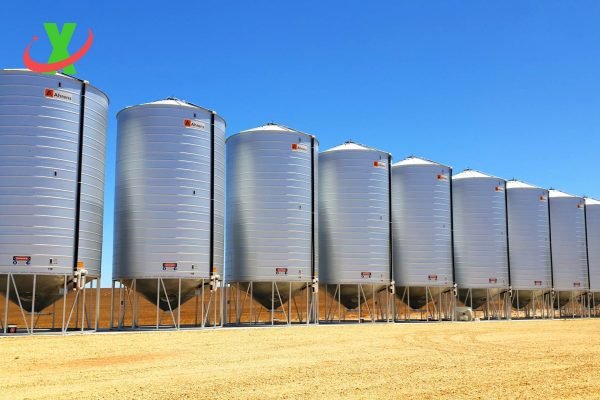
- Components: Cylindrical upper shell, conical hopper base, elevated steel support legs/frame, top loading (via elevator/auger), bottom discharge valve/chute.
- Cone Angle: Typically 45° for free-flowing grains (corn, wheat, soybeans) and 60° for finer powders/less flowable materials to prevent bridging/rat-holing; angles often adhere to standards like ASTM D3299/D4097.
- Materials: Hot-dip galvanized steel (most common, corrosion-resistant for outdoors), sometimes stainless steel for food-grade applications.
- Size & Capacity: Diameters usually 3–10 m (smaller than flat-bottom silos); single-silo capacities often 500–3,000 tons, suited for mid-sized farms, feed mills, or temporary storage.
Foundation: Shallow foundations due to the elevated steel frame, reducing civil work time vs flat-bottom silos.

Working Principle & Key Features
- Gravity Unloading: No need for mechanical sweepers—grain flows straight down to the central outlet, leading to >99% emptying rate, minimal residue, fast discharge, and lower labor/energy costs.
- Isolation from Ground: Elevation prevents moisture ingress and allows easy connection of conveyors between multiple silos.
- Ventilation & Safety: Equipped with aeration systems, temperature monitoring probes, pressure relief valves, and access hatches to prevent spoilage, mold, and explosive dust hazards.
Advantages
- Rapid, automated discharge for high-frequency loading/unloading cycles.
- Low maintenance (fewer moving parts than flat-bottom setups).
- Compact footprint and quick installation; great for limited space or temporary sites.
- Minimal grain waste from near-complete emptying.
Disadvantages
- Higher initial cost than flat-bottom silos of the same volume (due to the steel support frame and hopper fabrication).
- Limited maximum size—harder to scale to very large capacities compared to flat-bottom silos.
- Not ideal for wet/sticky grains (risk of adhesion and blockages in the cone).
Common Applications
- On-farm storage for grains needing frequent rotation (feed mills, seed operations).
- Food processing plants, port terminals, and temporary construction-site material storage.
- Bulk handling of free-flowing granular materials (wheat, corn, barley, soybeans, feed pellets).
Comparison with Flat-Bottom Silos
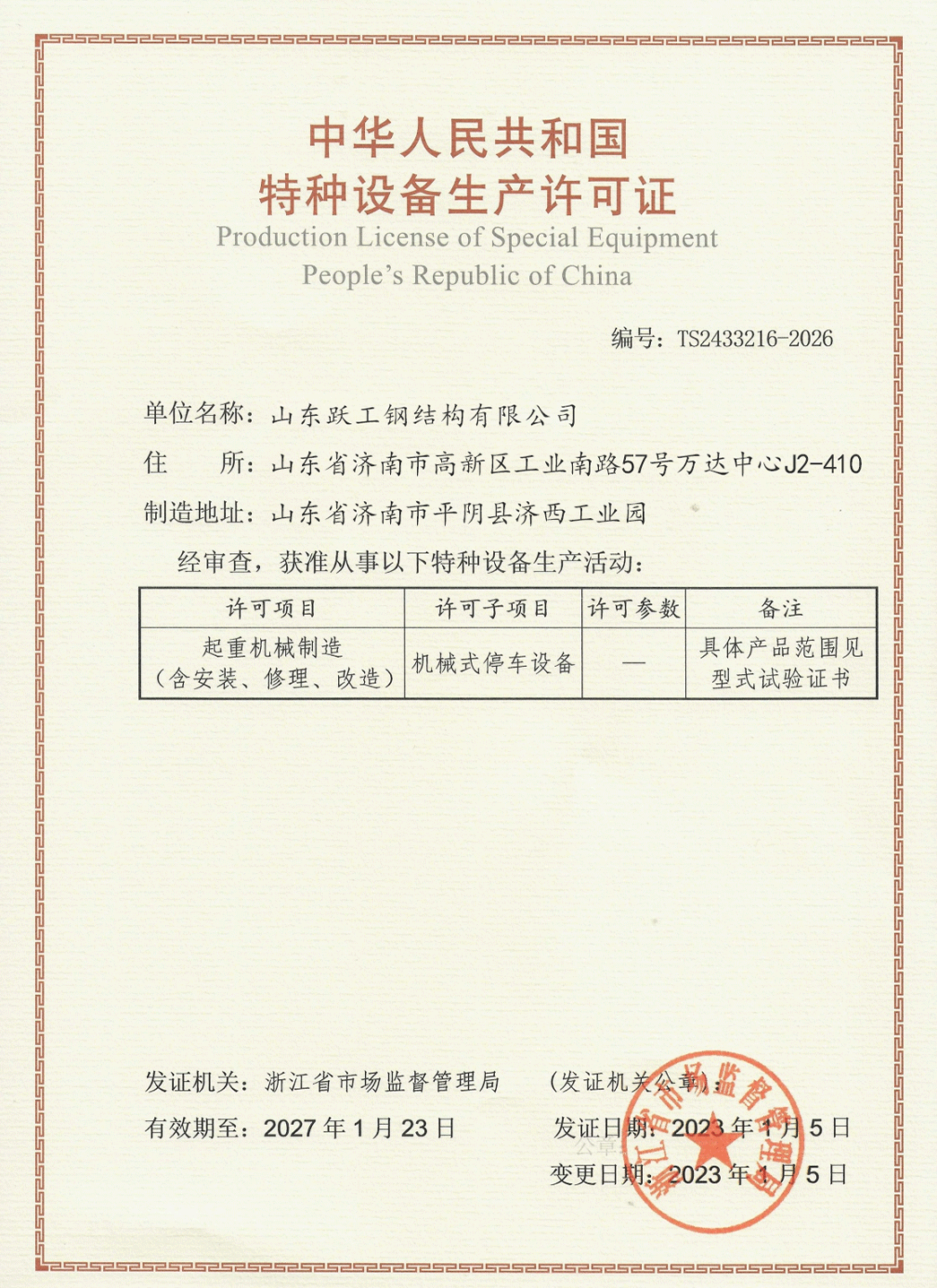
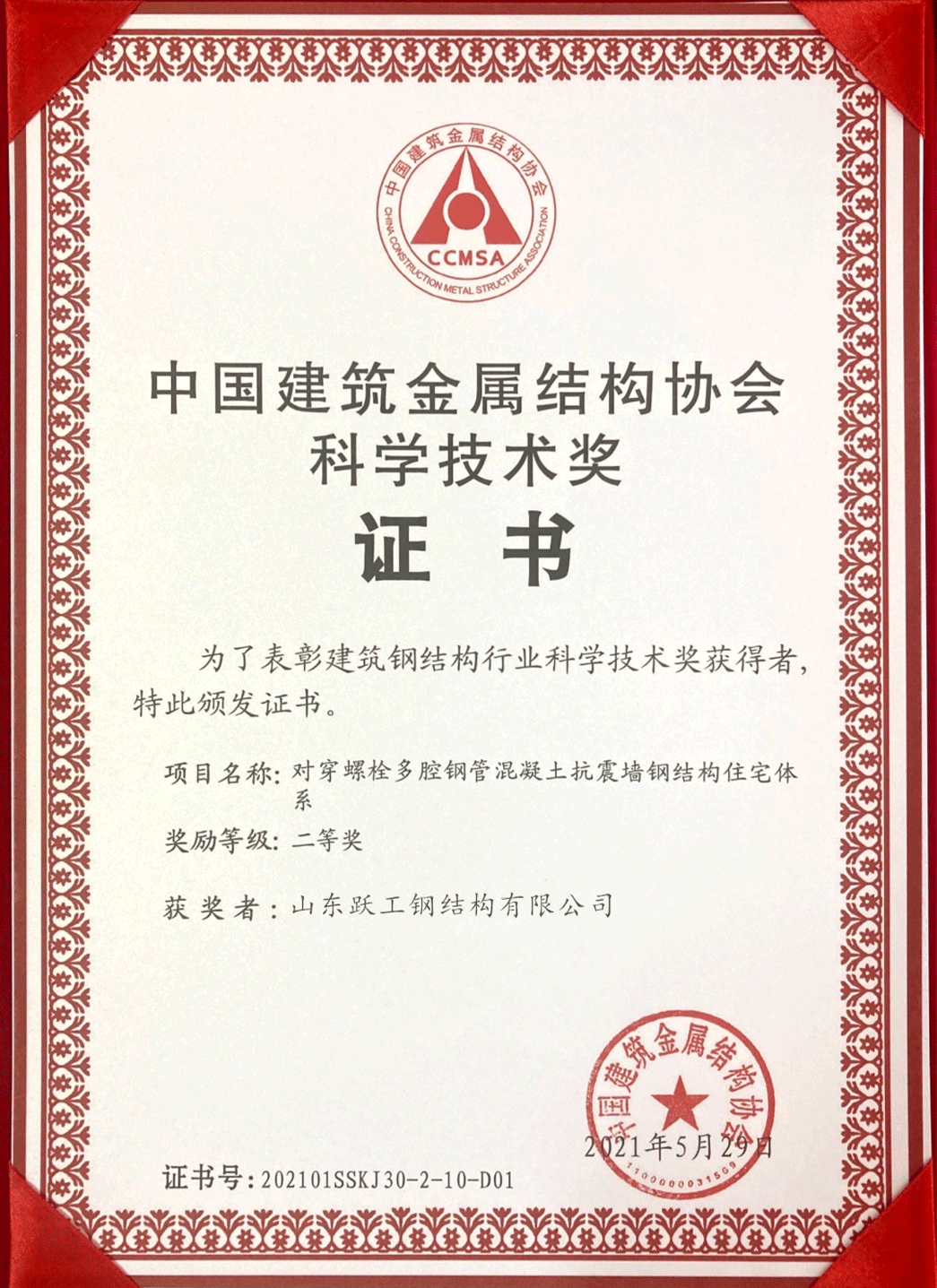
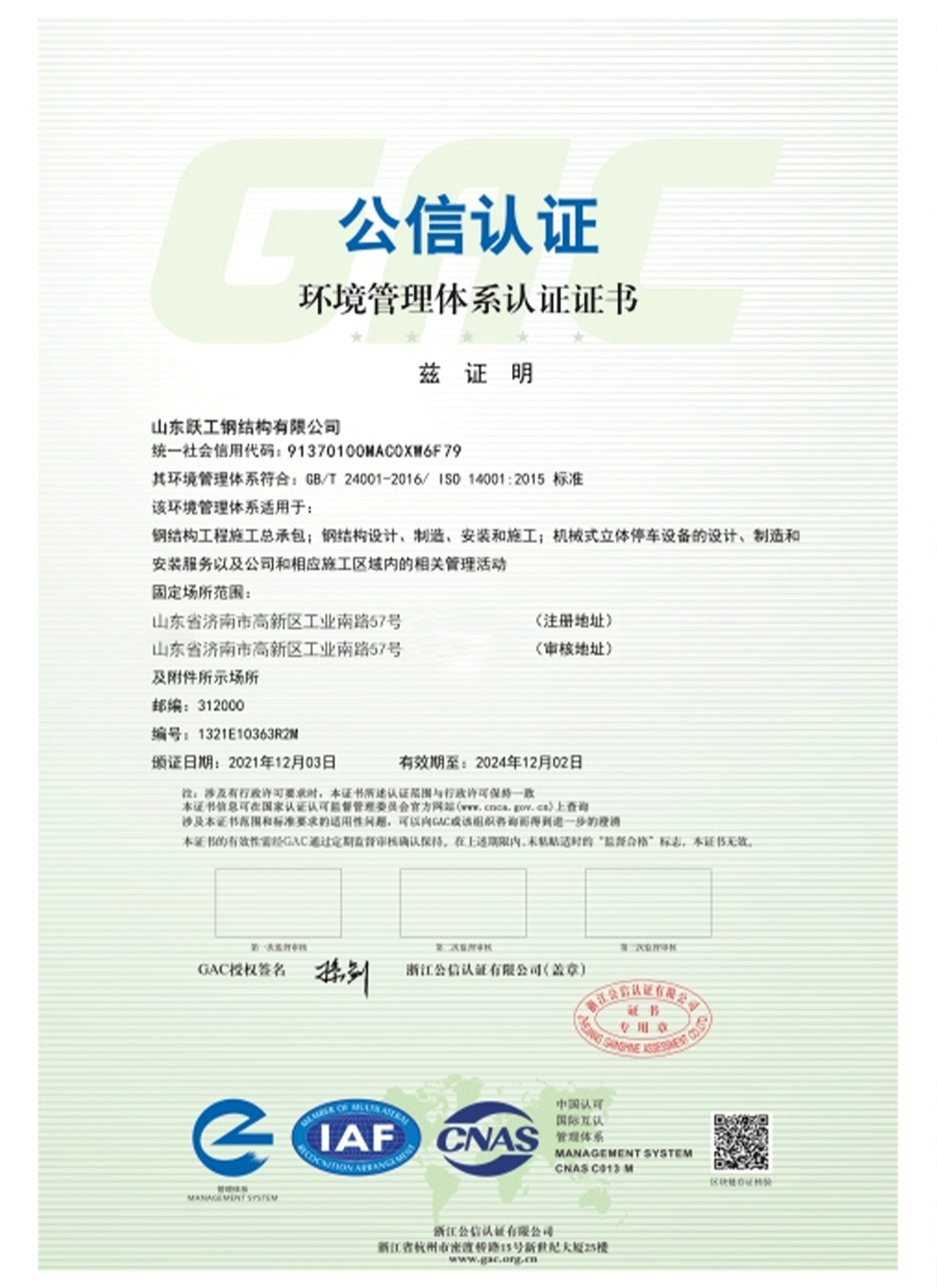
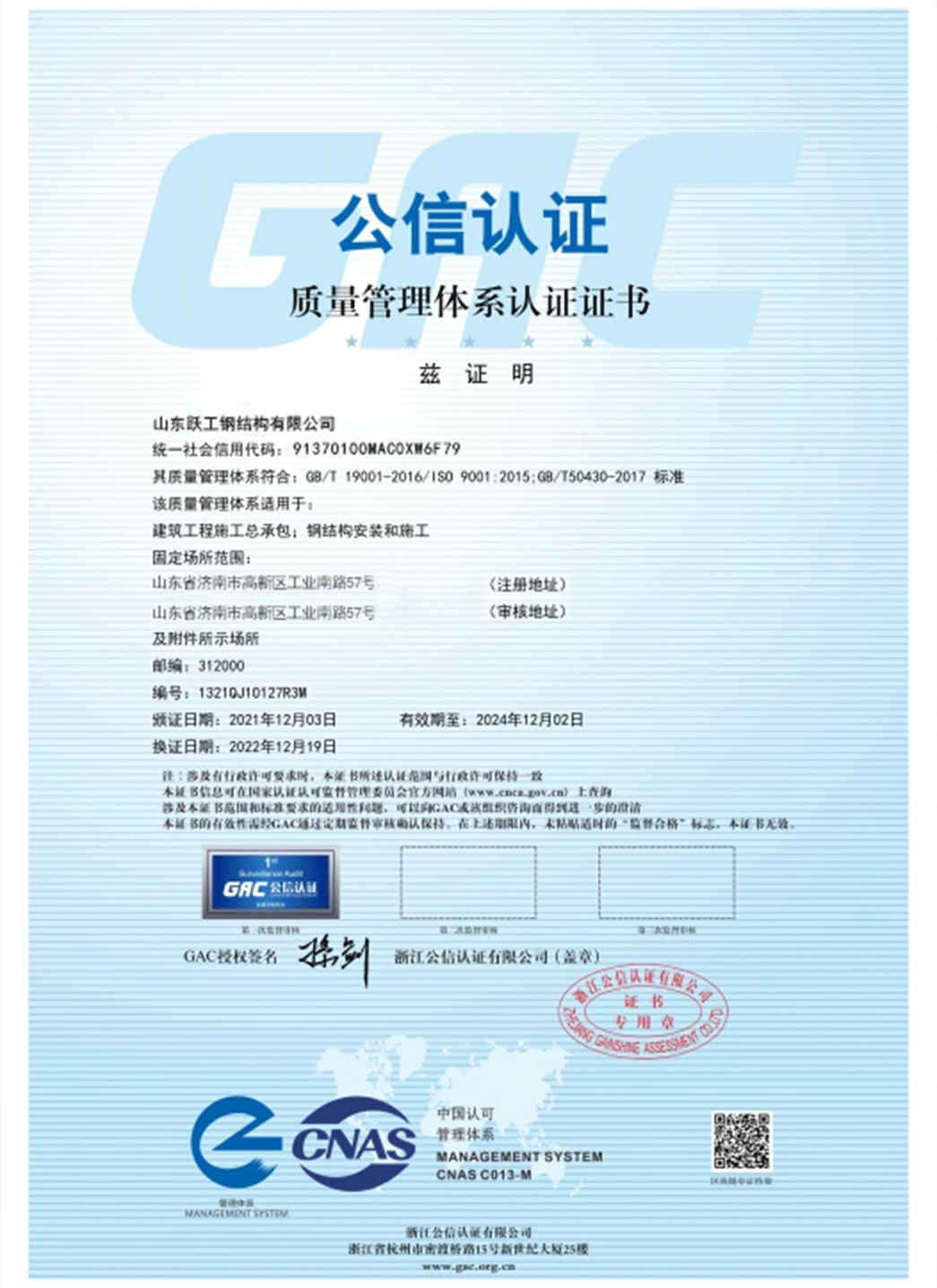
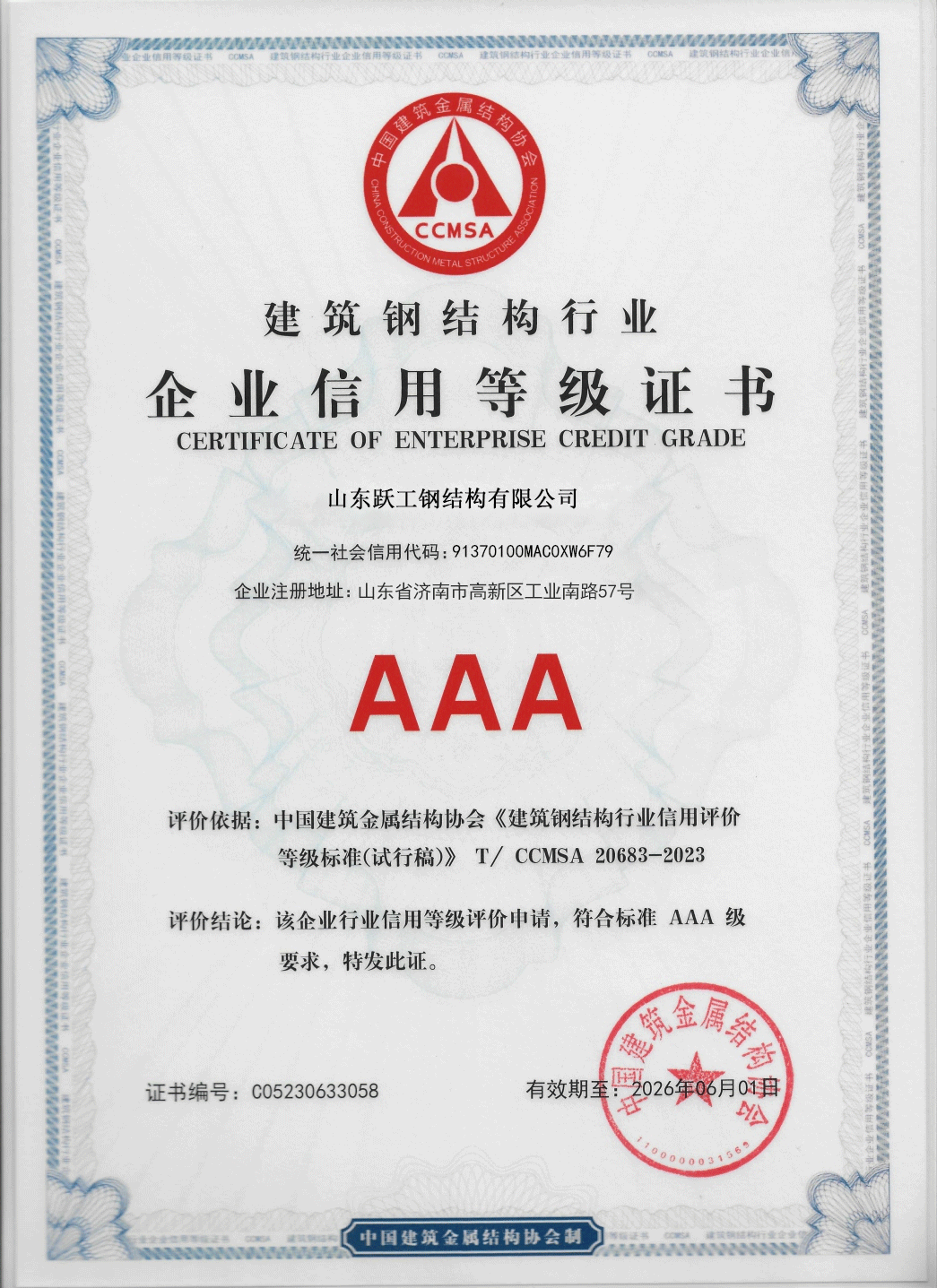
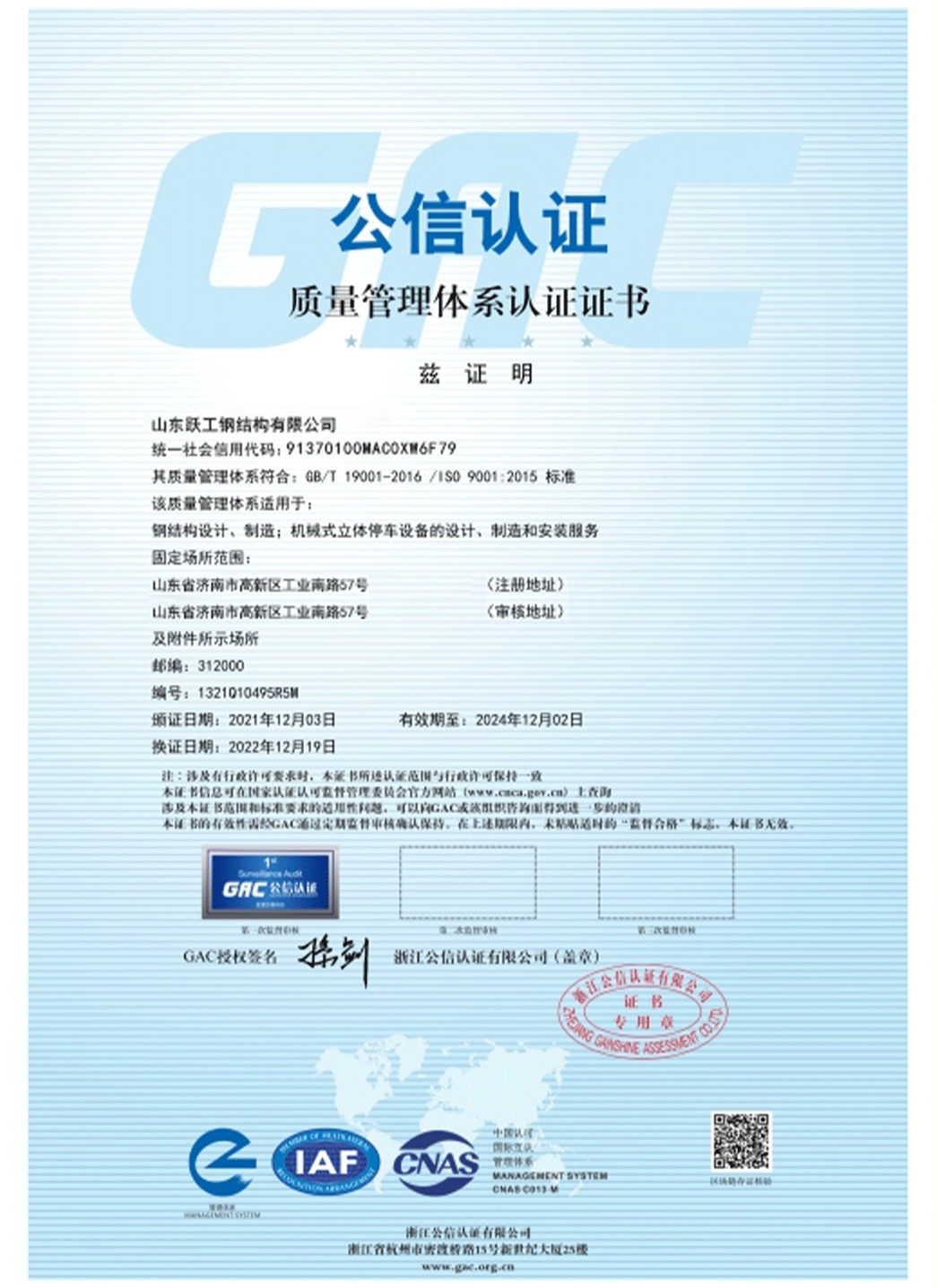
◉ Certificate
◉ Factory Display
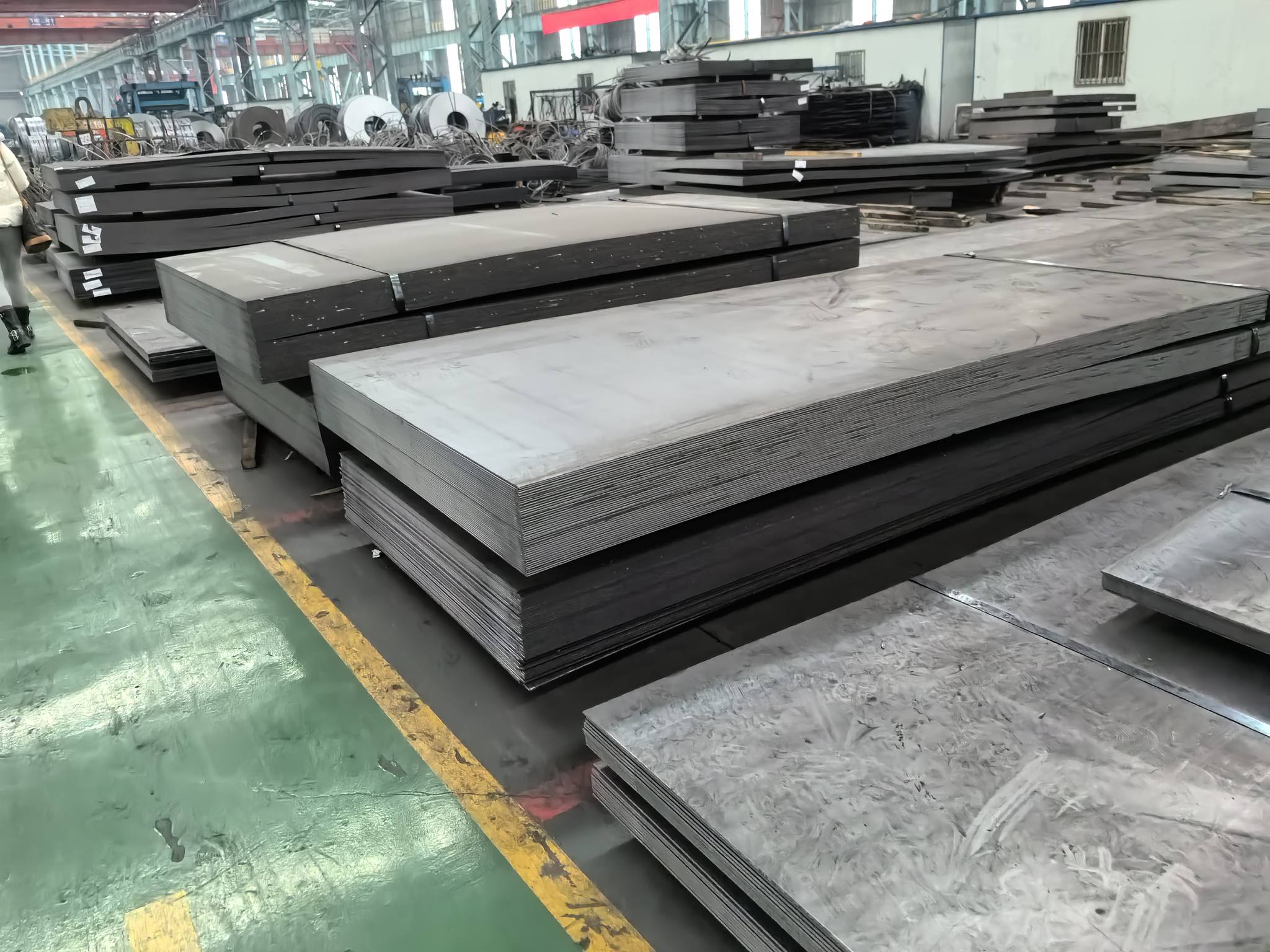
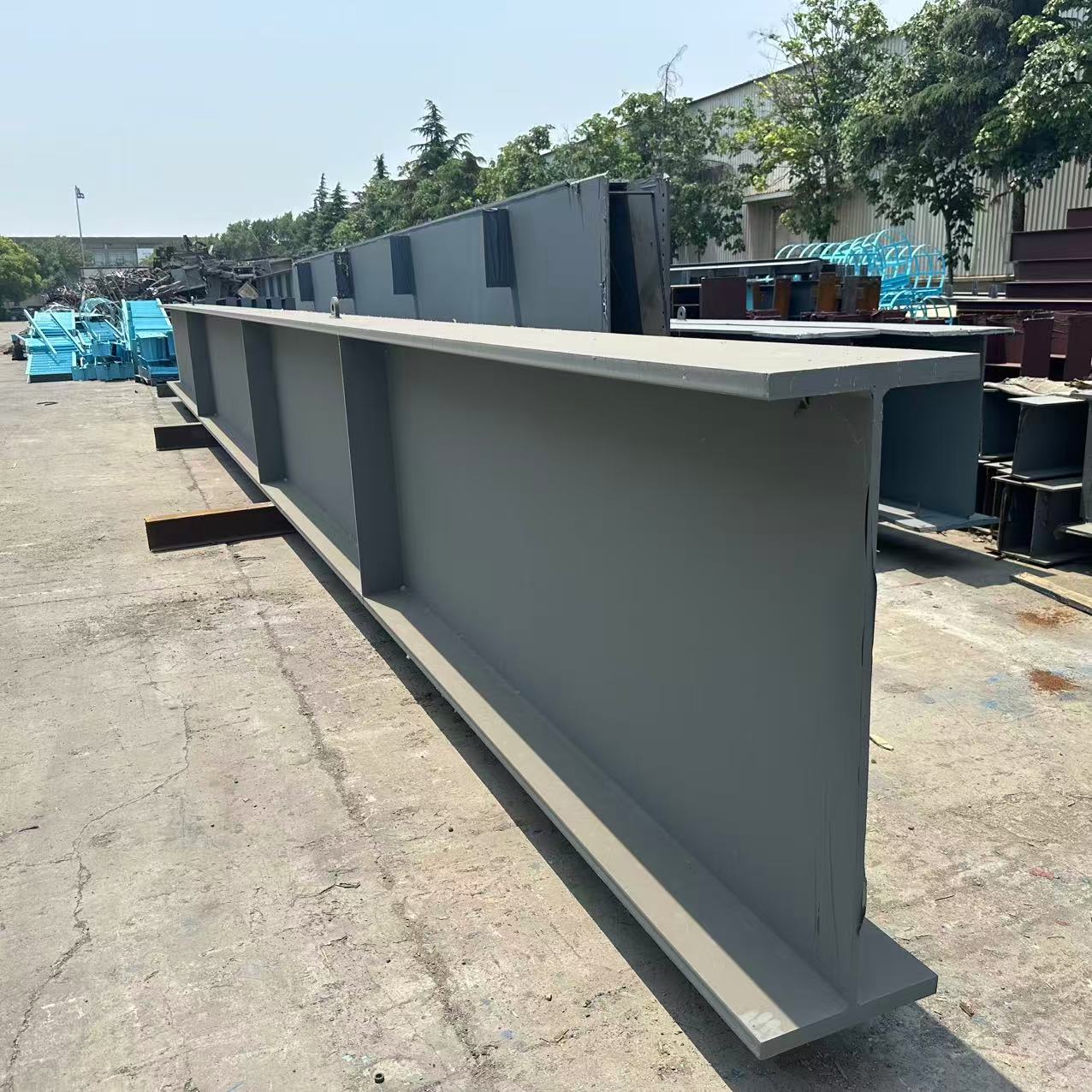
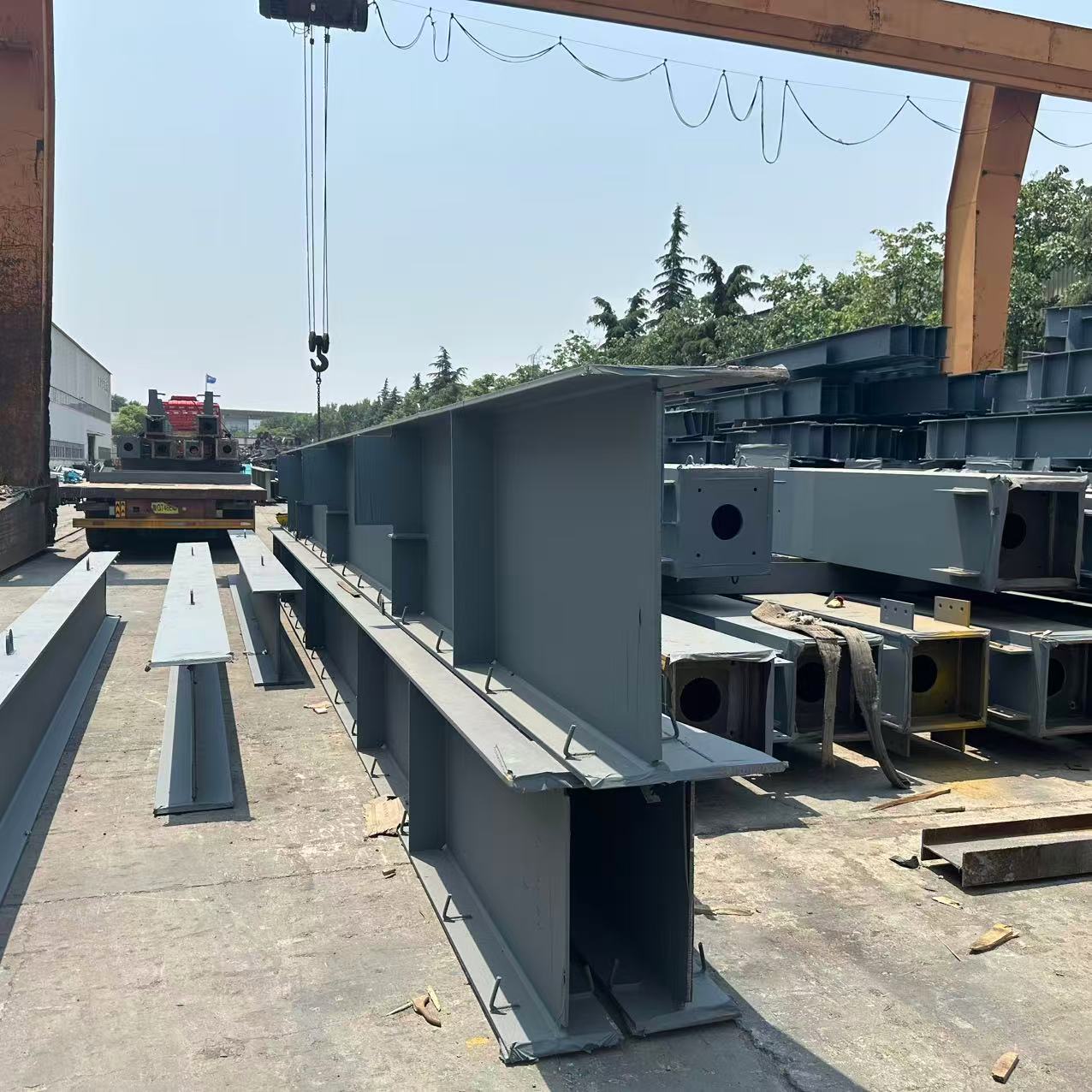
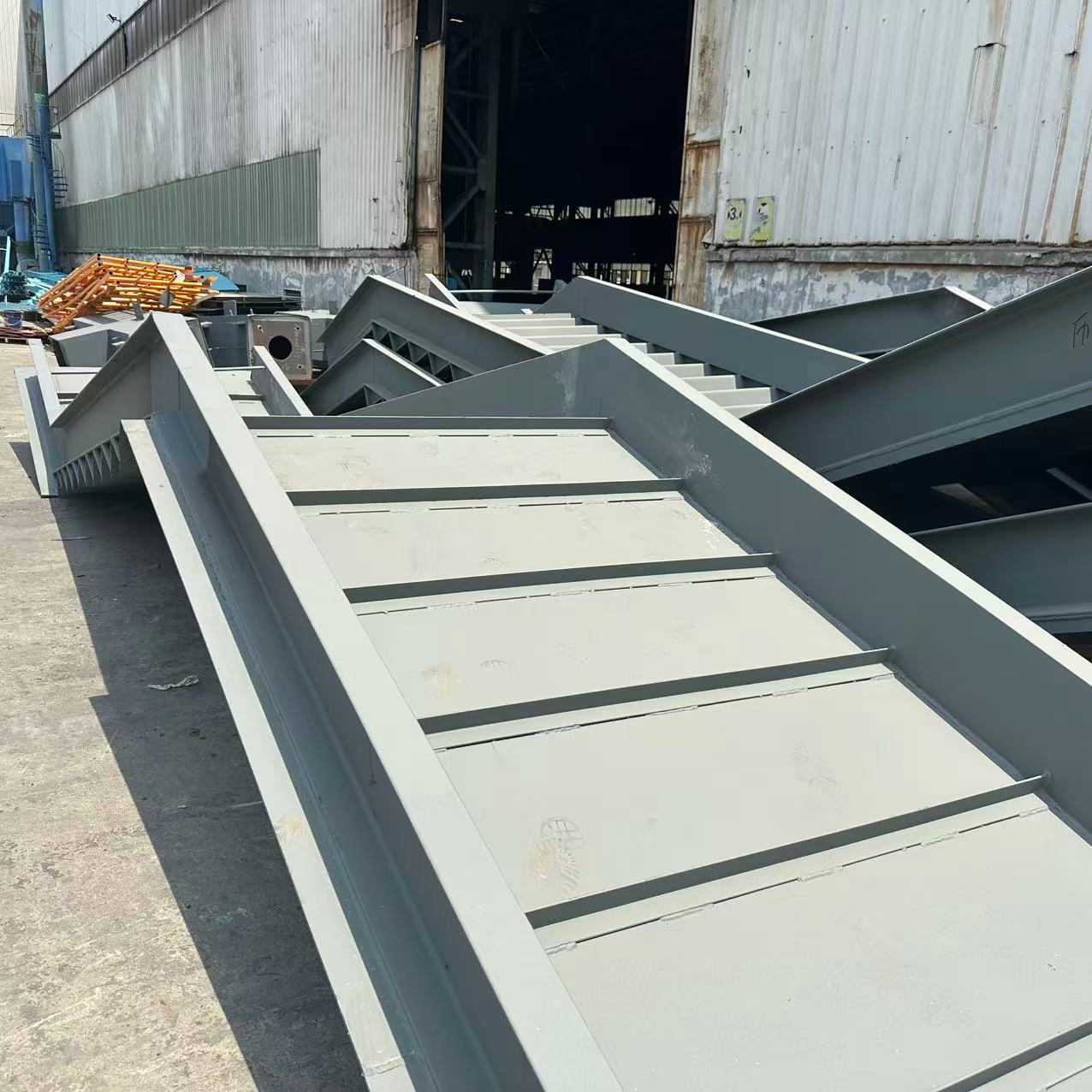
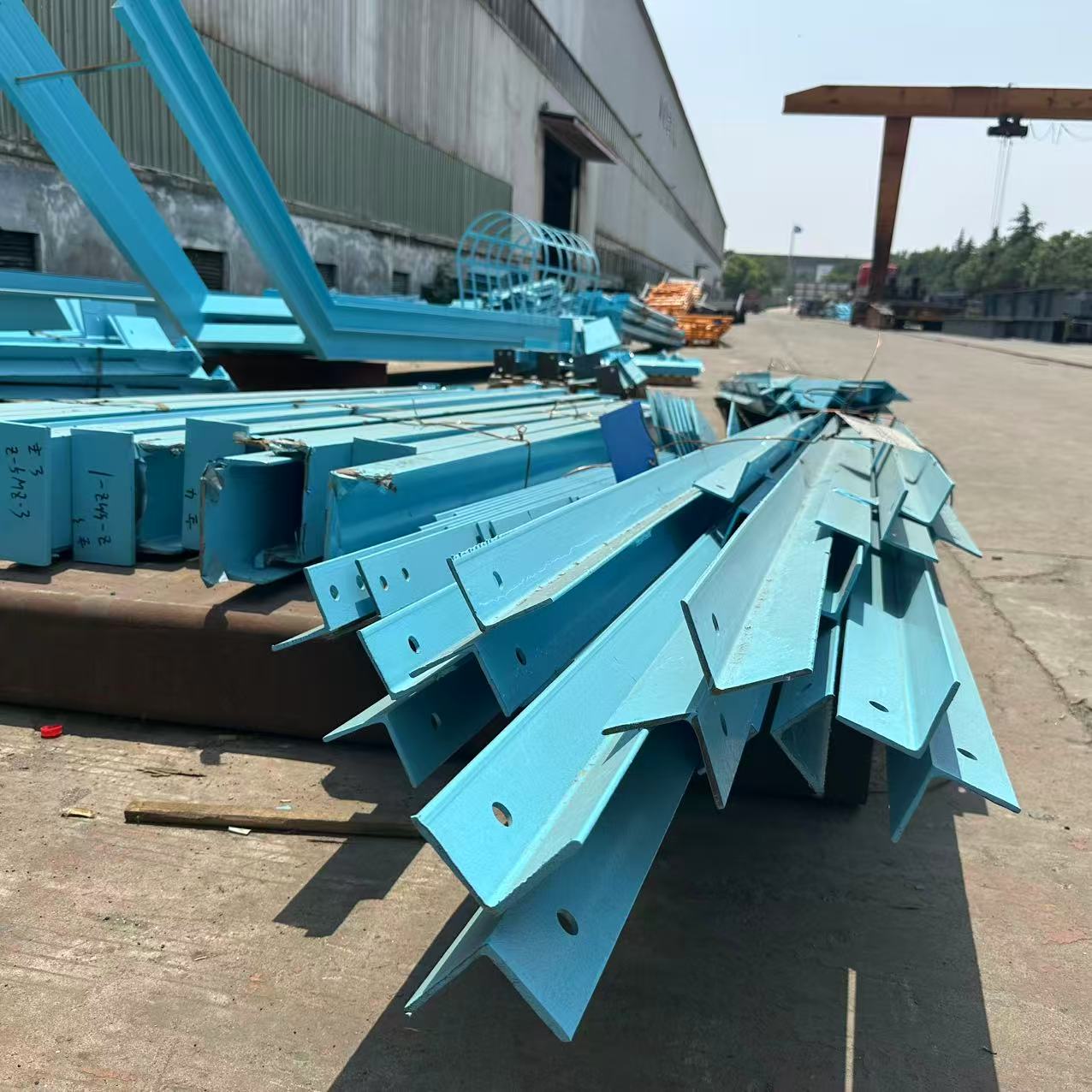
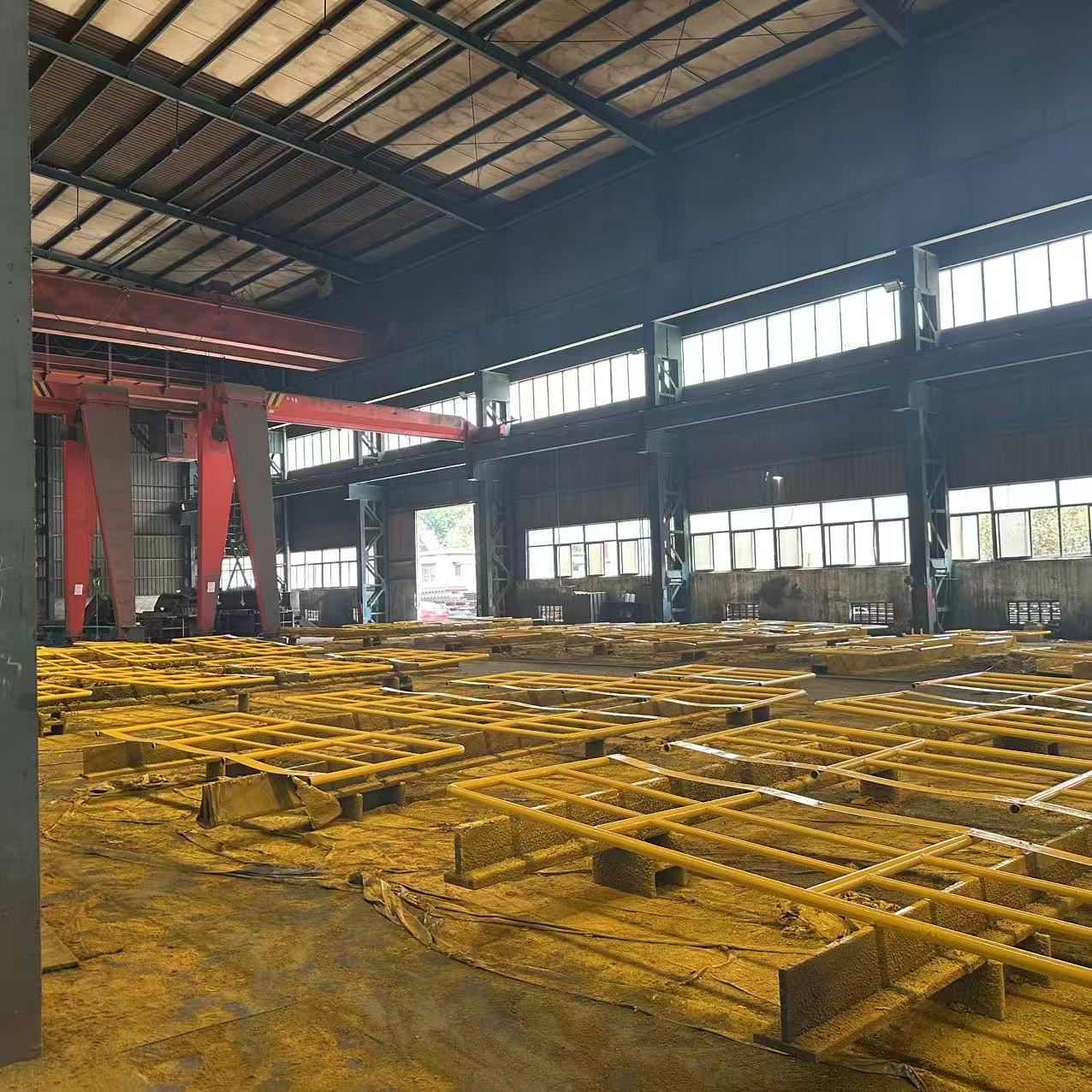
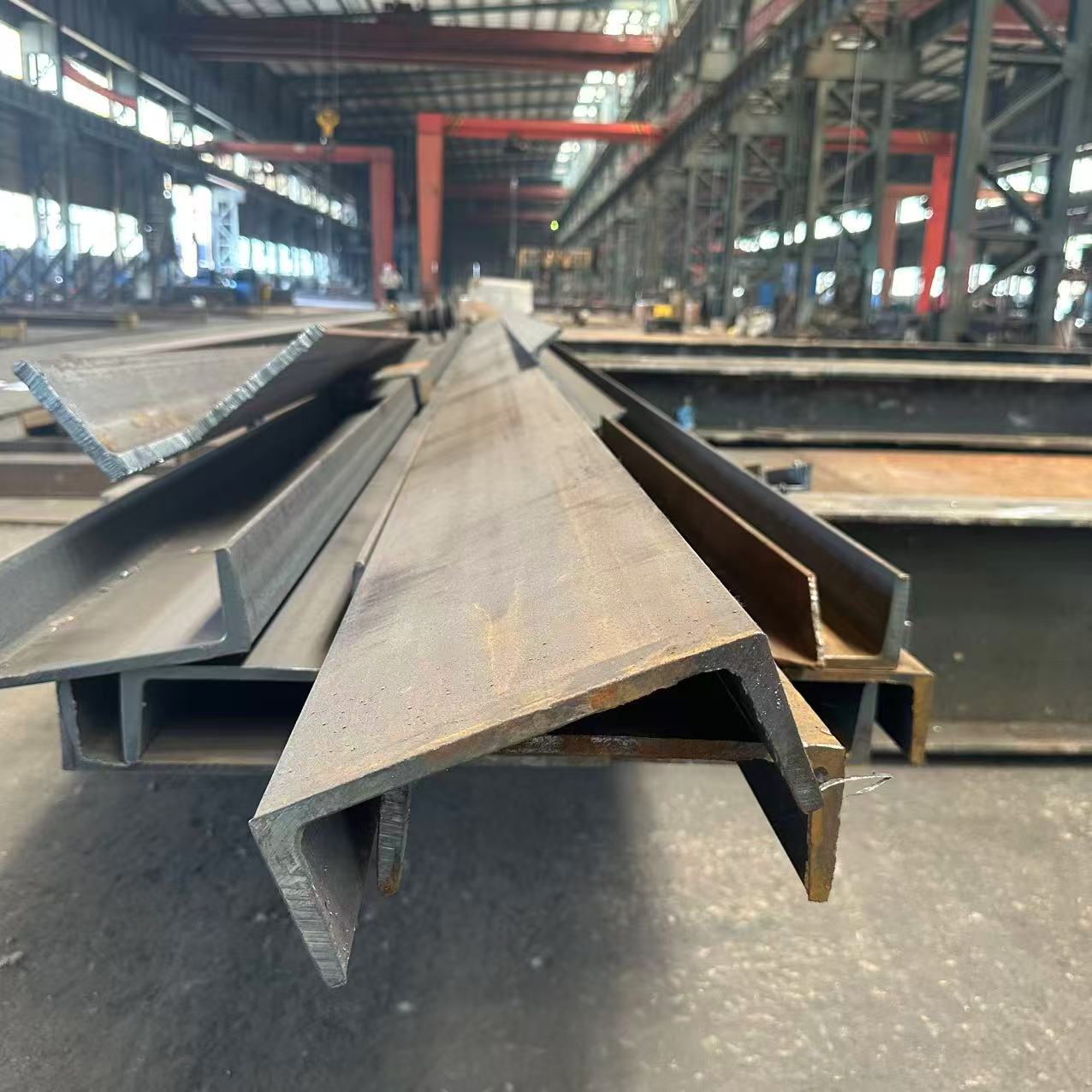
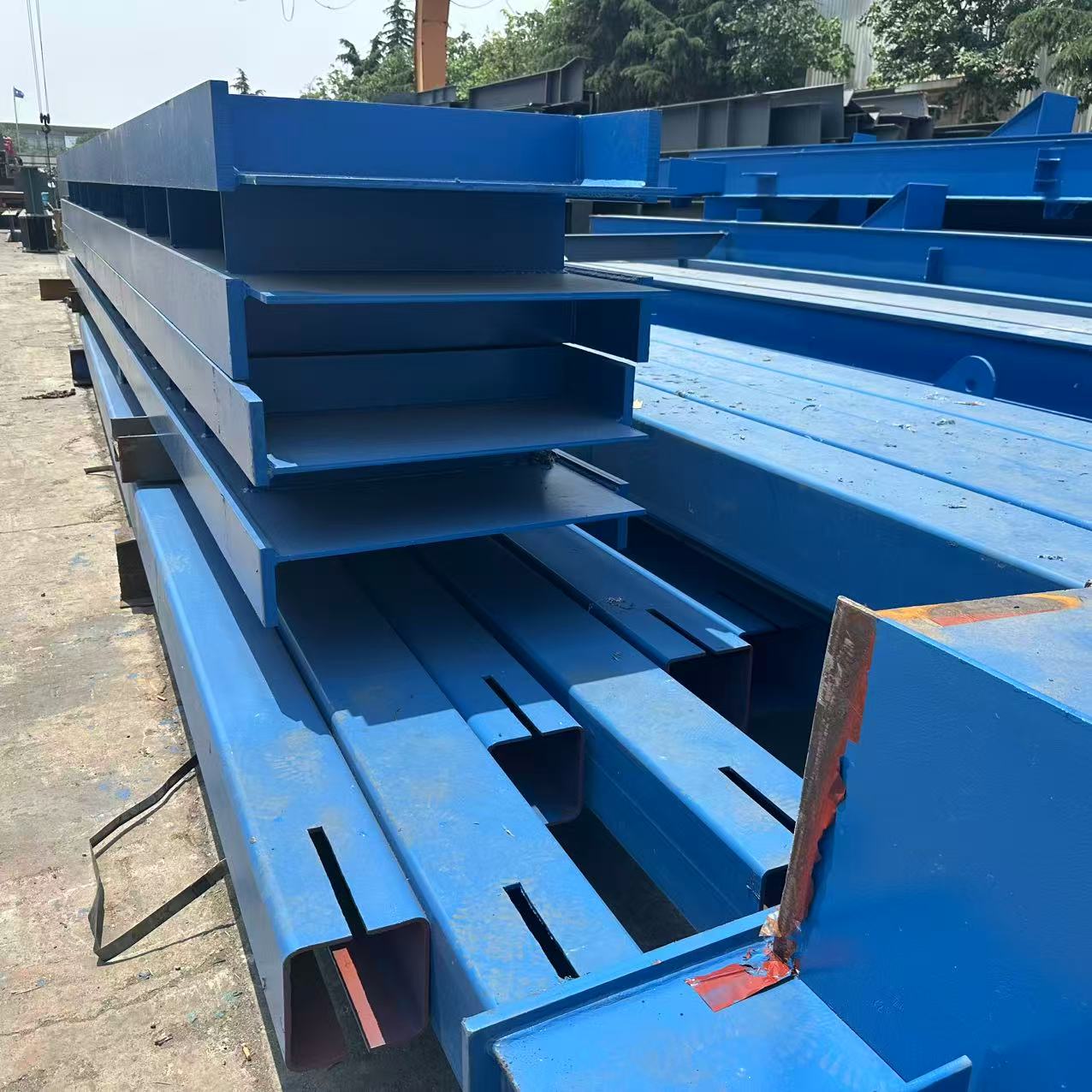
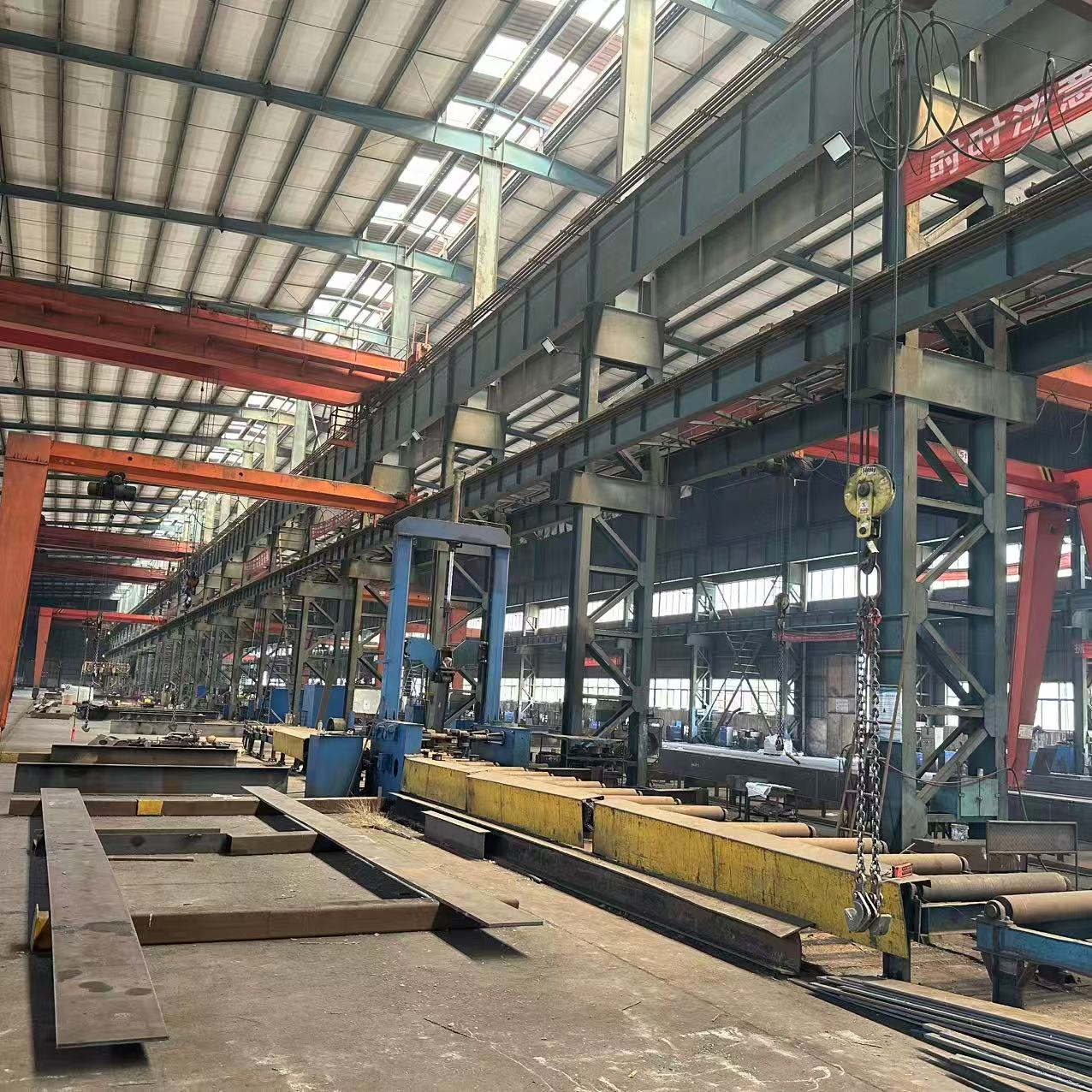
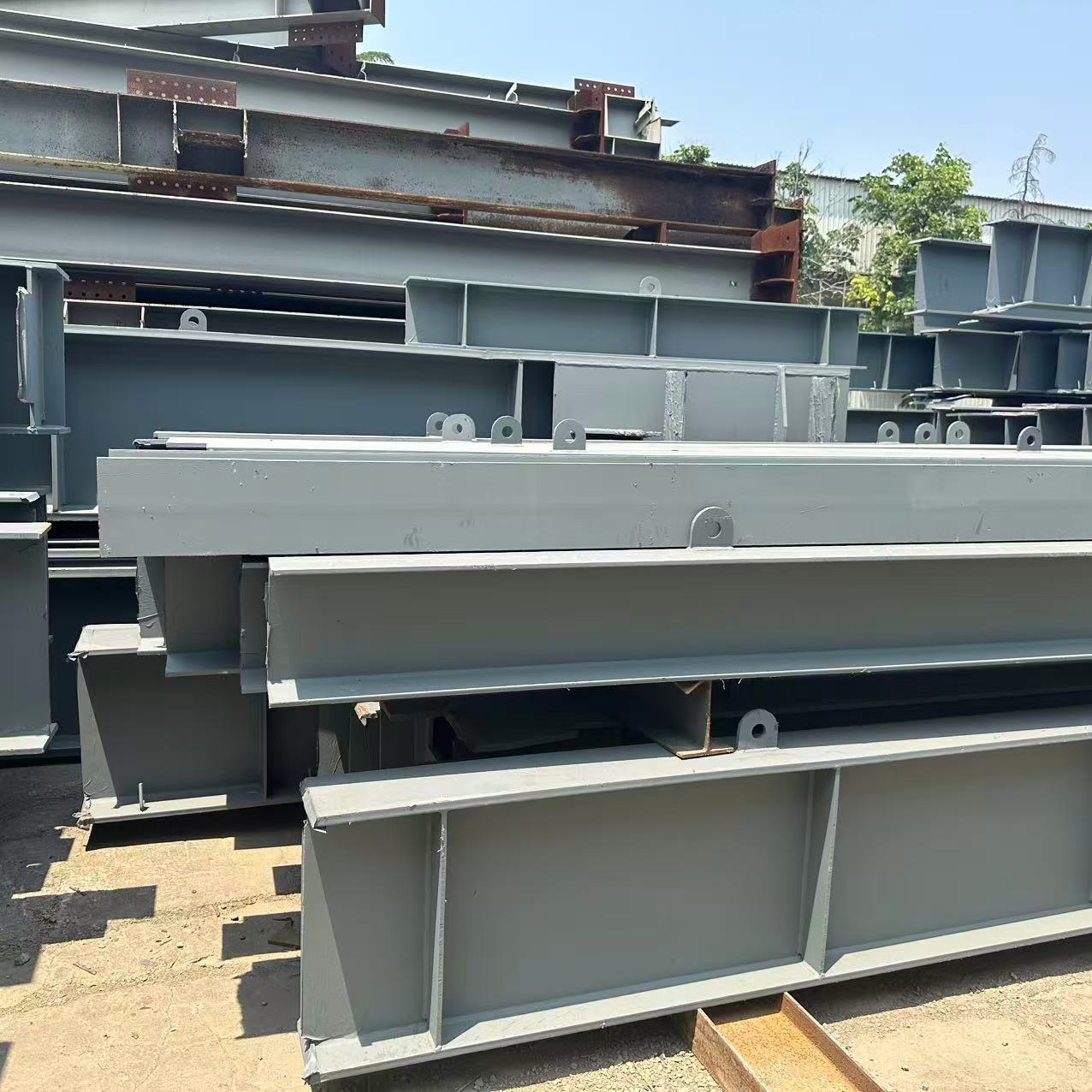
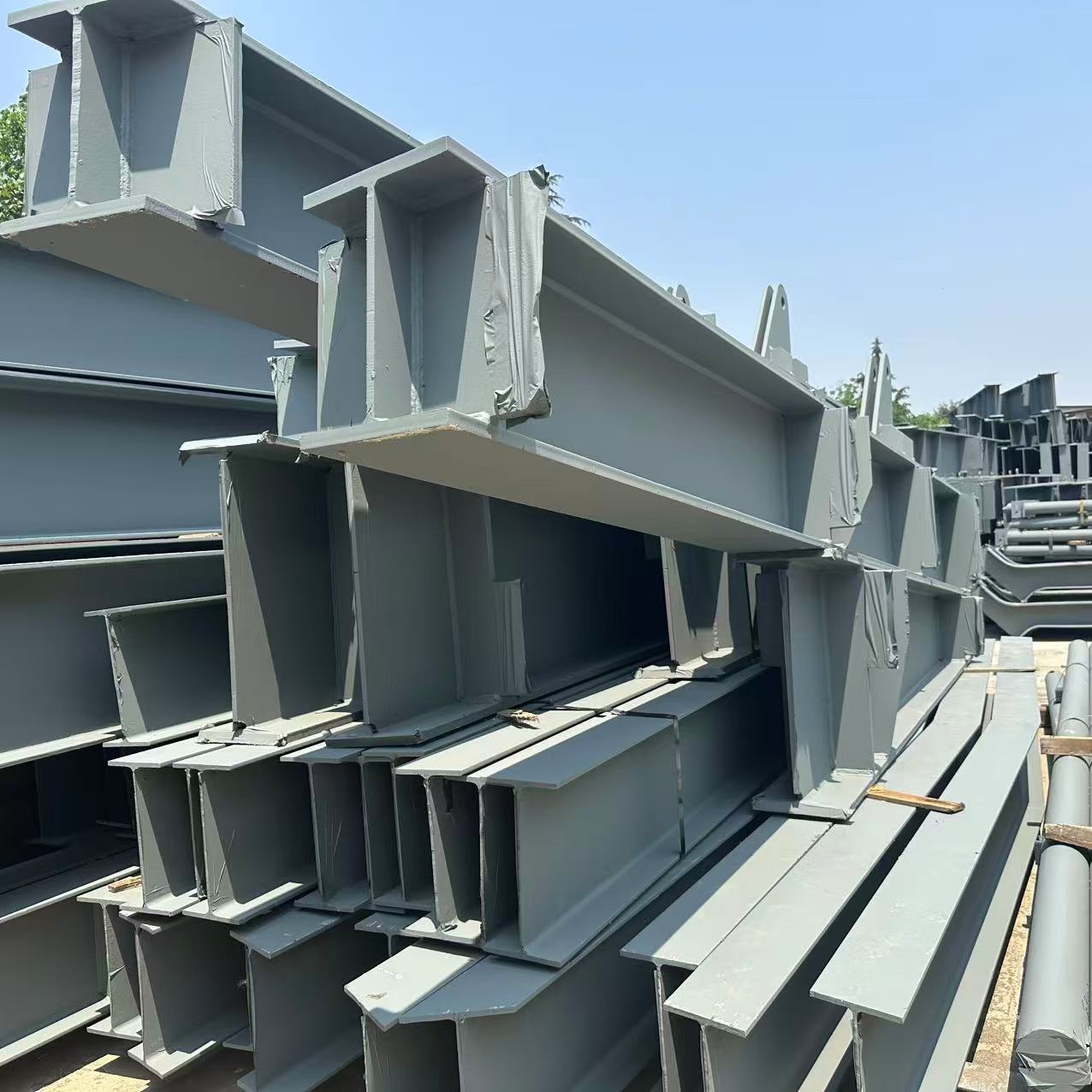
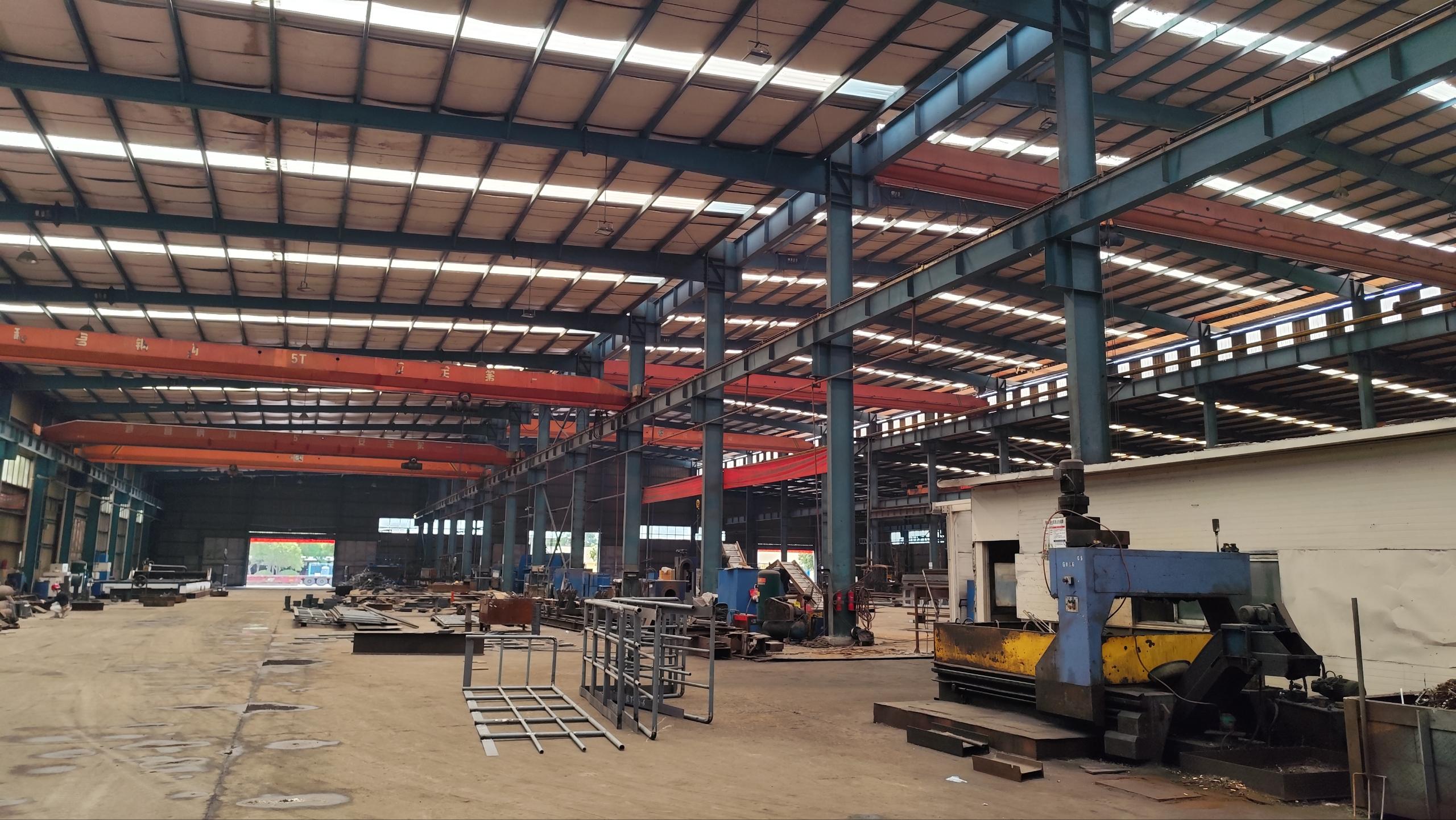
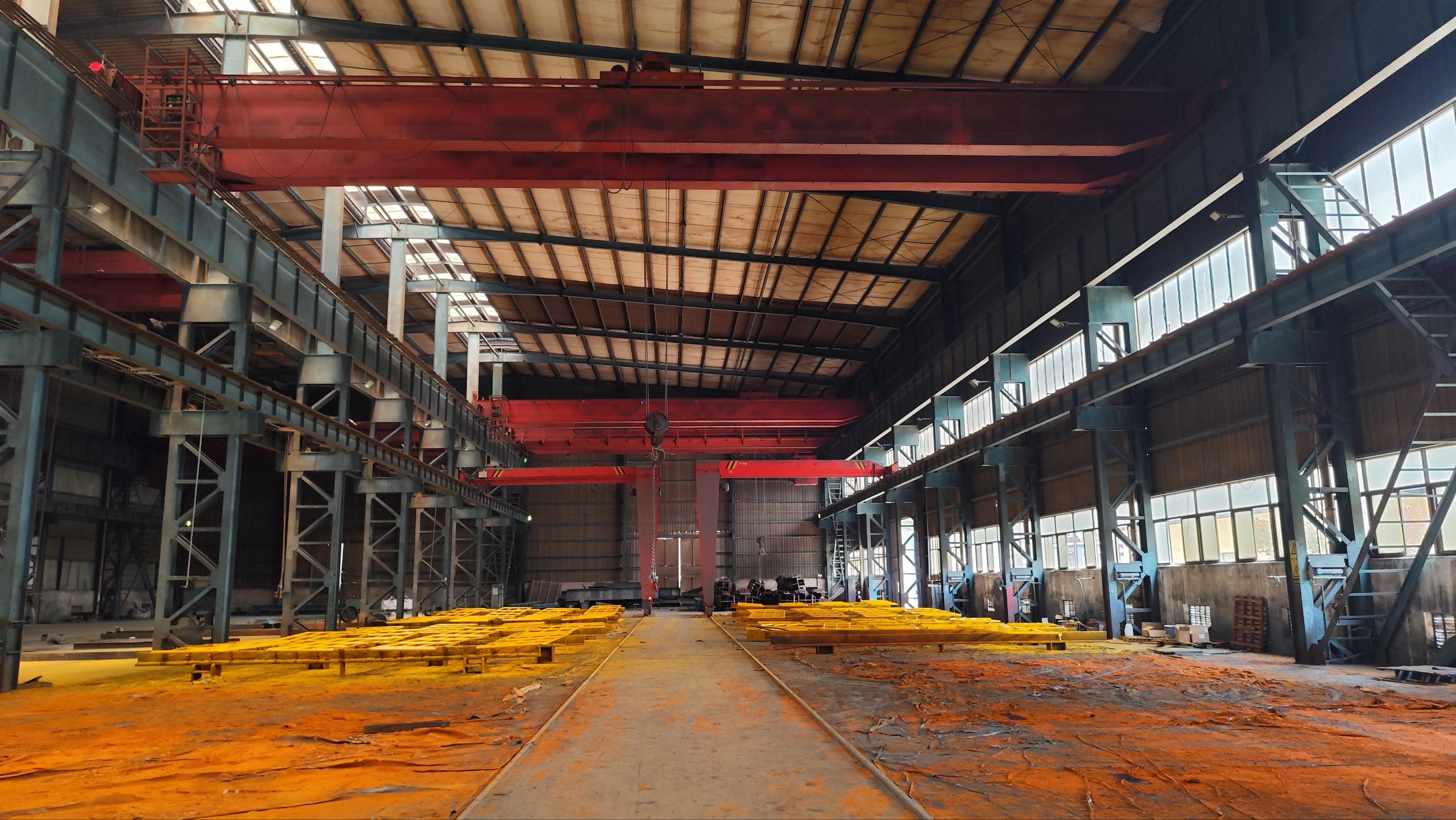
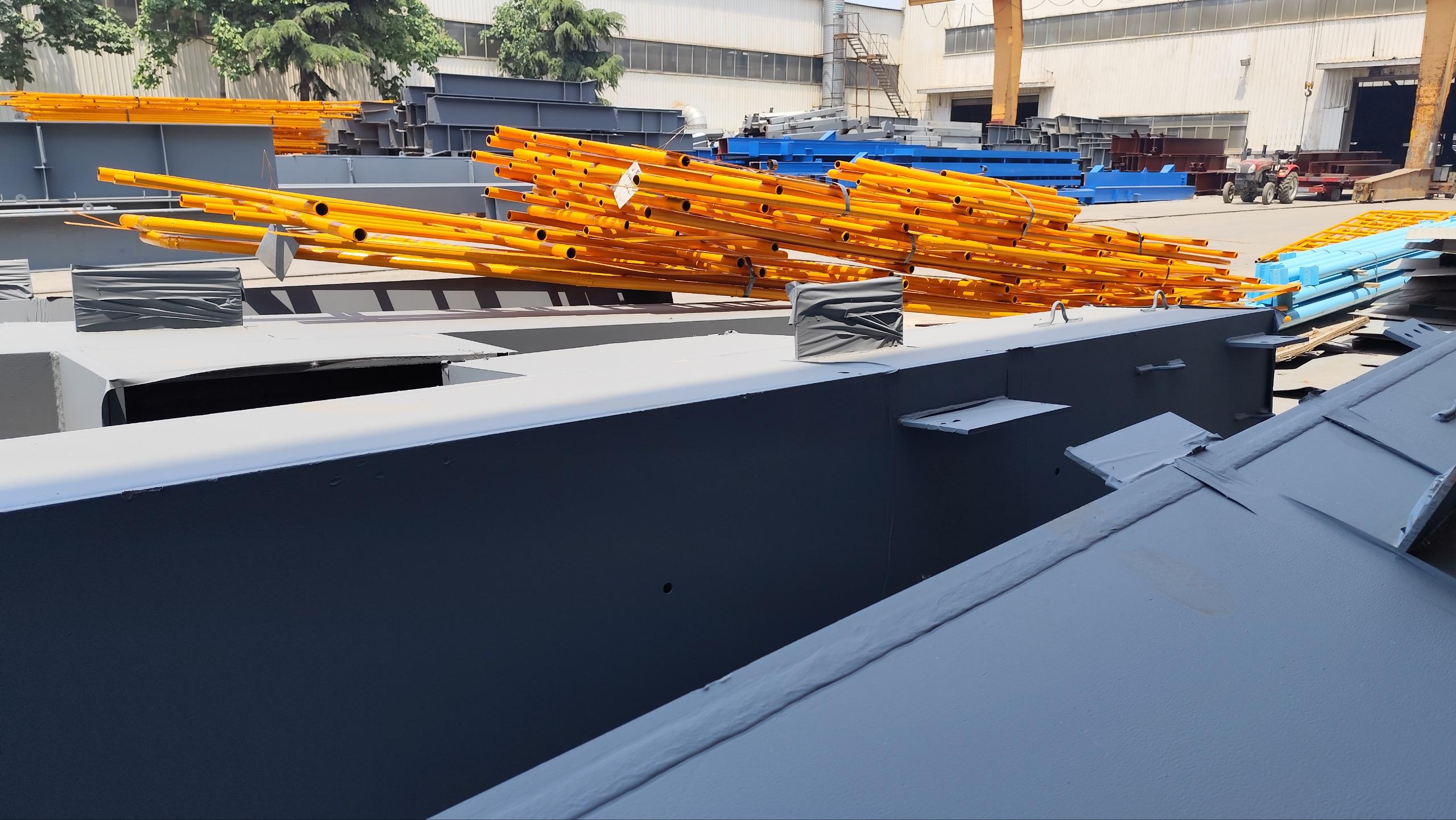
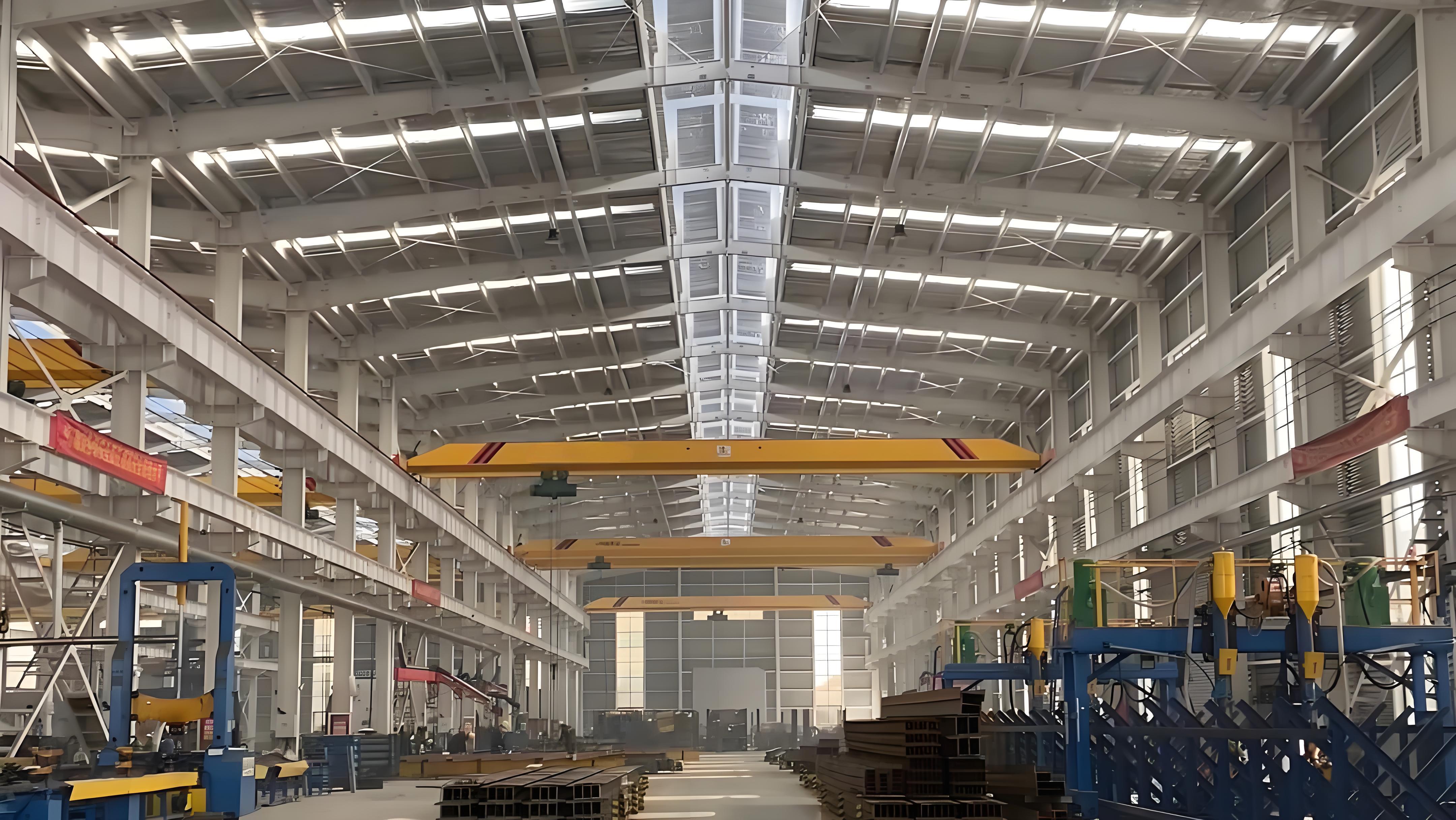
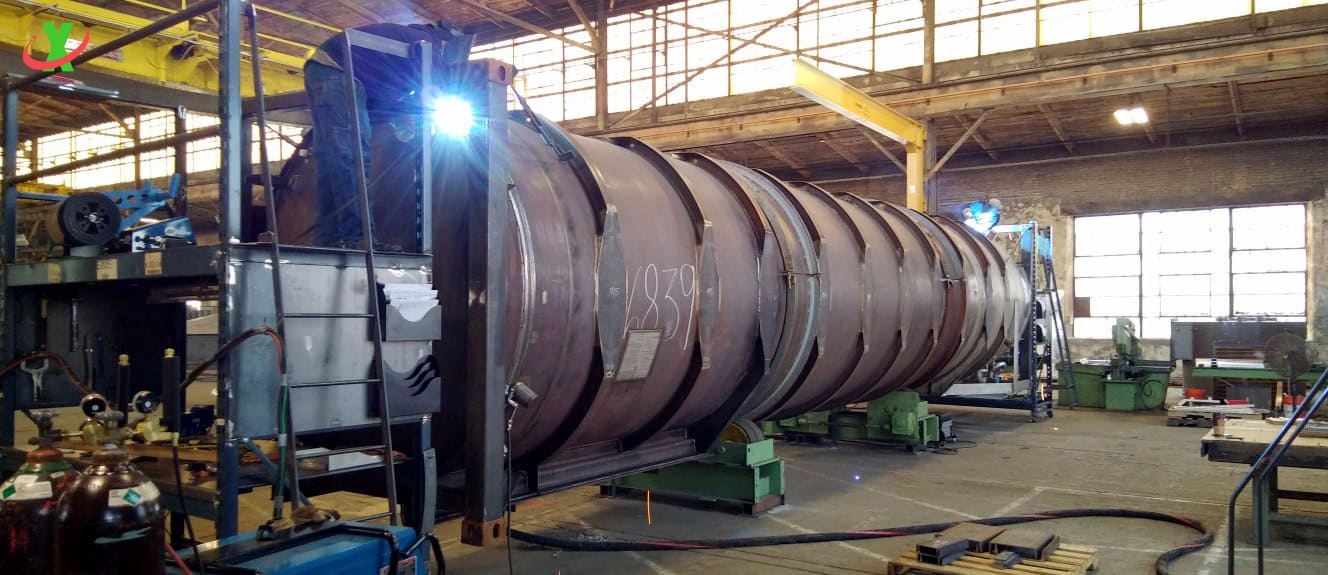
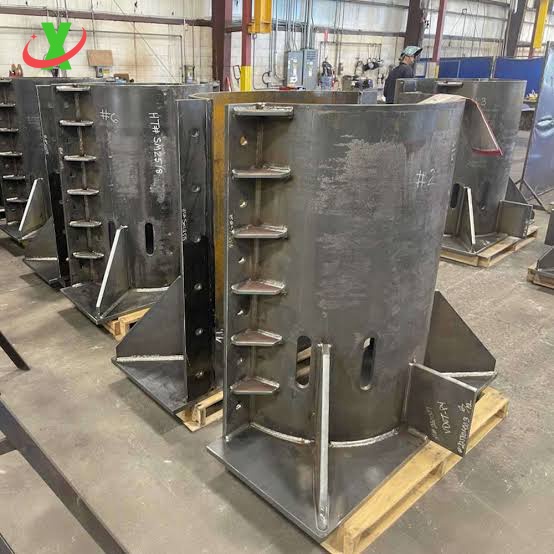
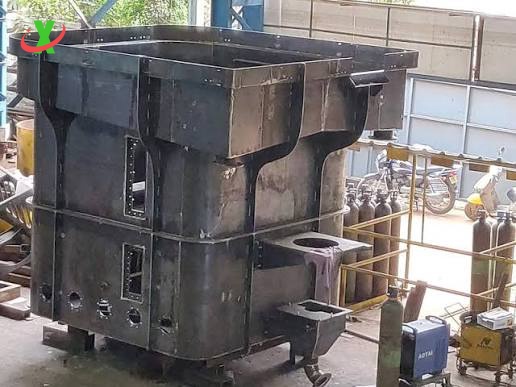
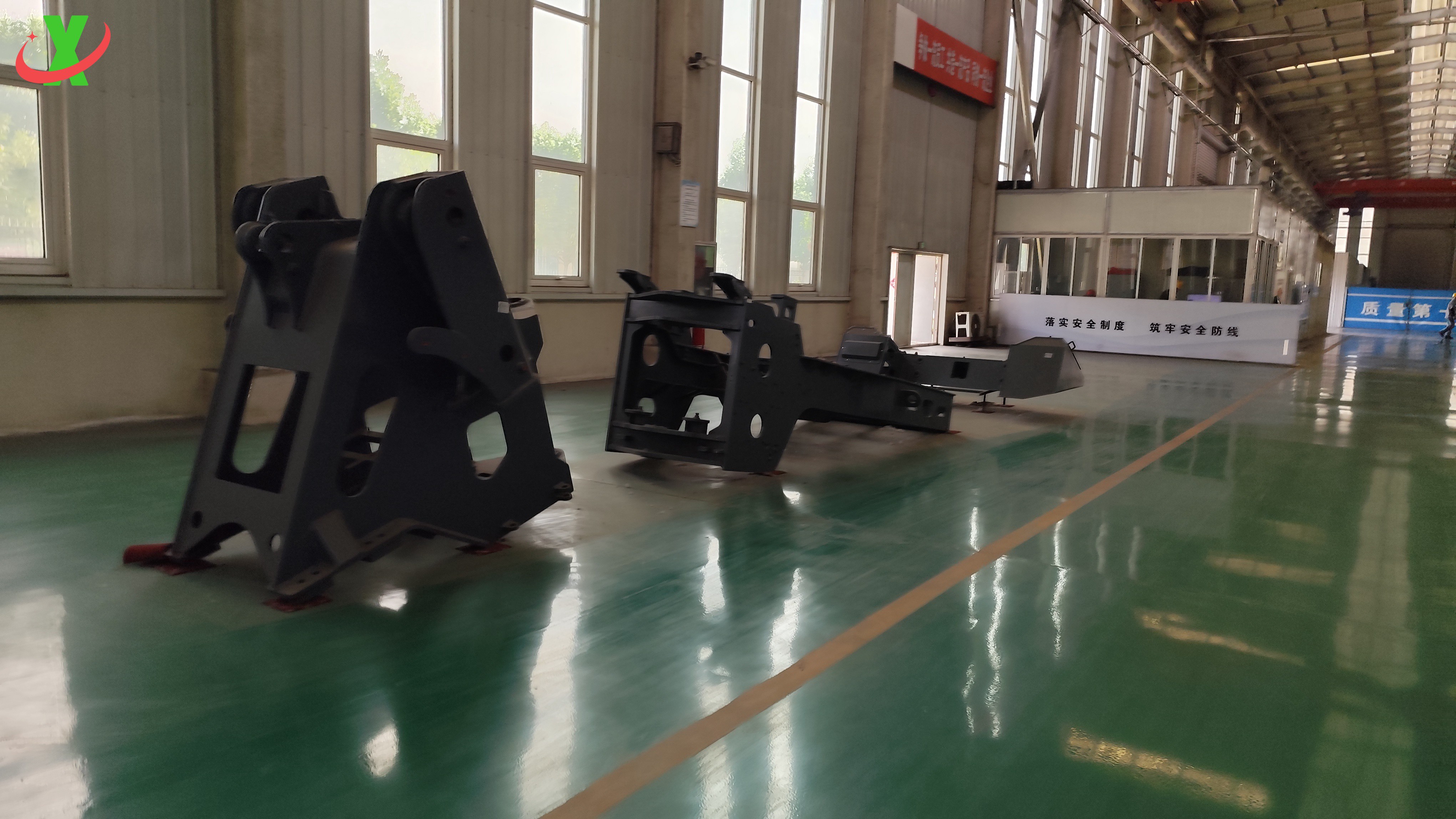
The facility operates 170 sets of advanced fabrication equipment,including large hydraulic press brakes,CNC drilling machines,China's largest shot blasting units,and ultrasonic flaw detectors,ensuring precision manufacturing standards.
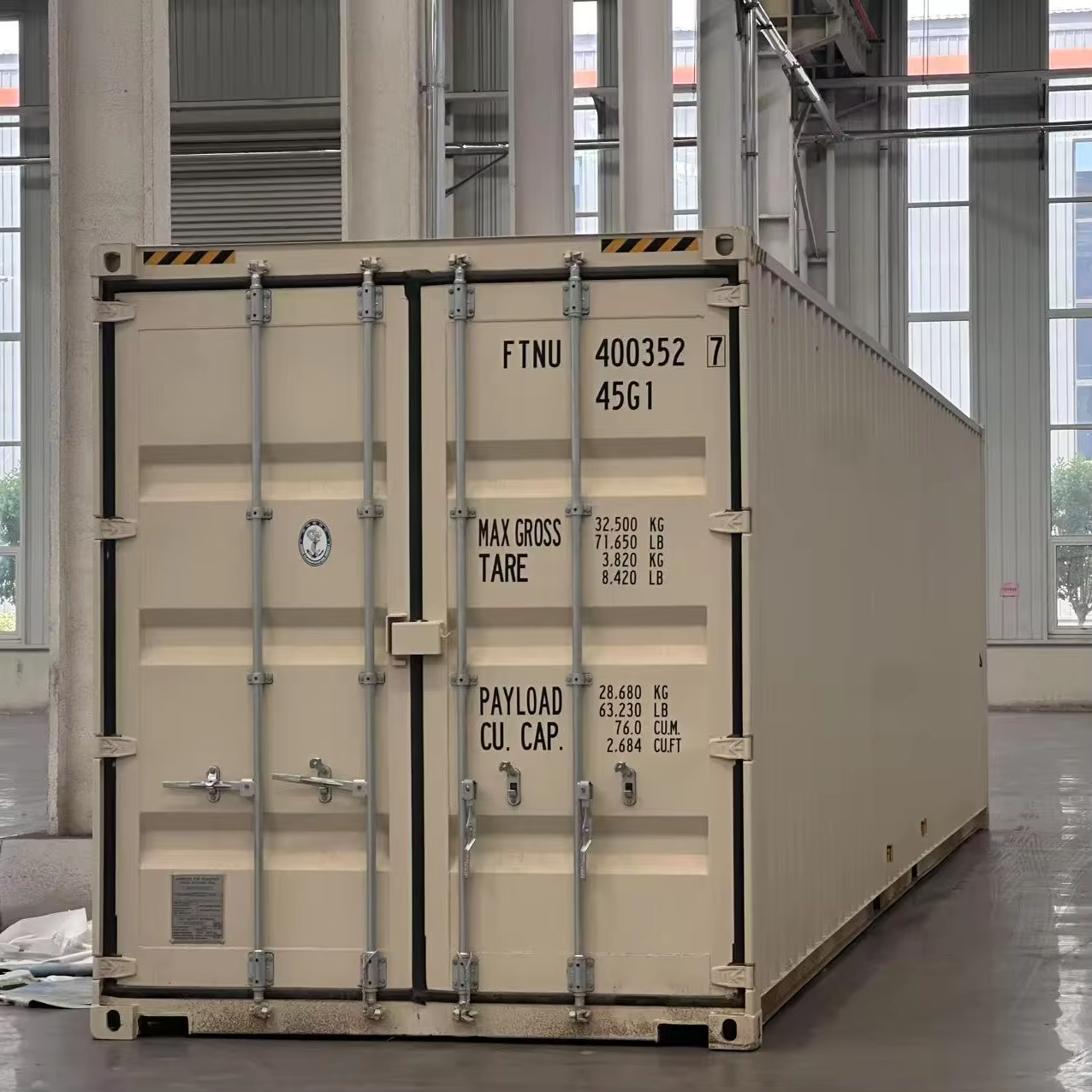
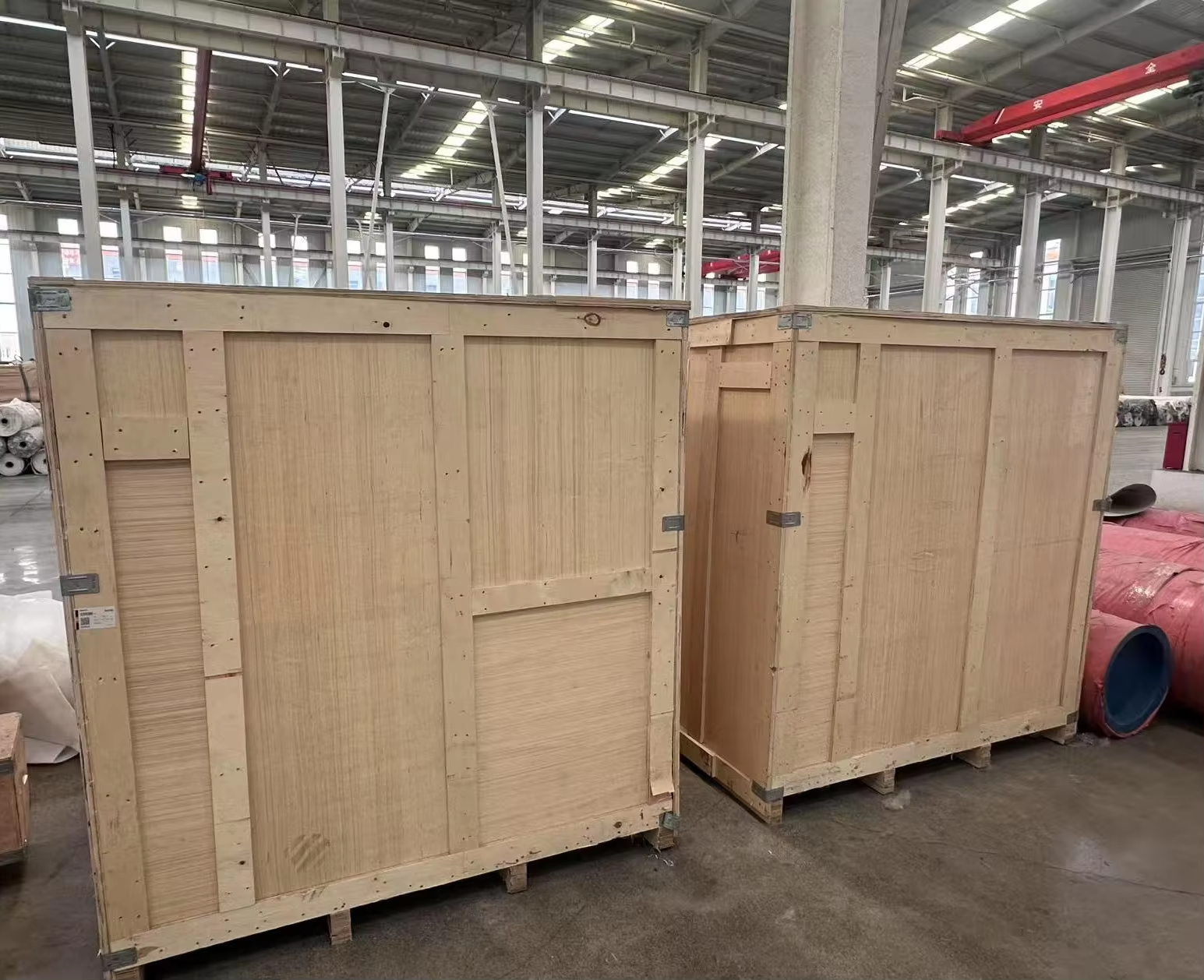
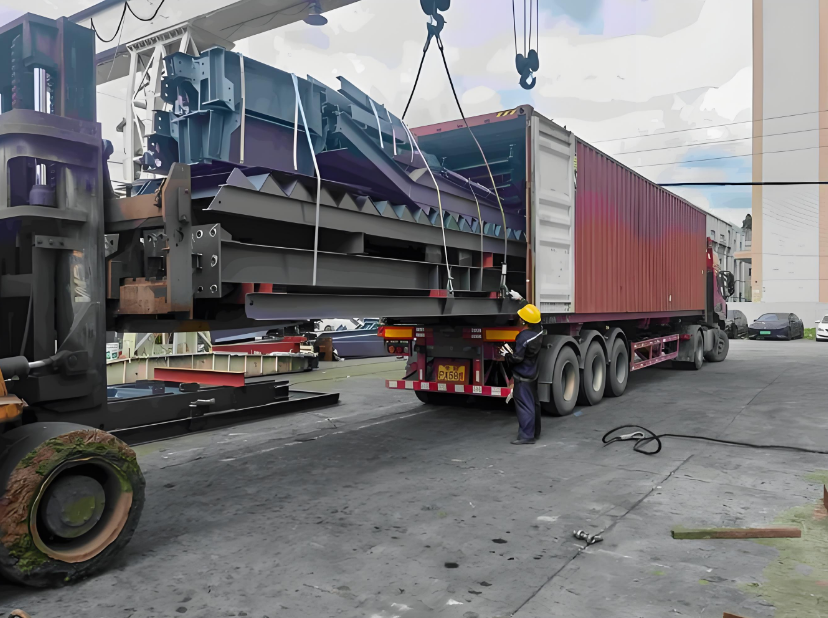
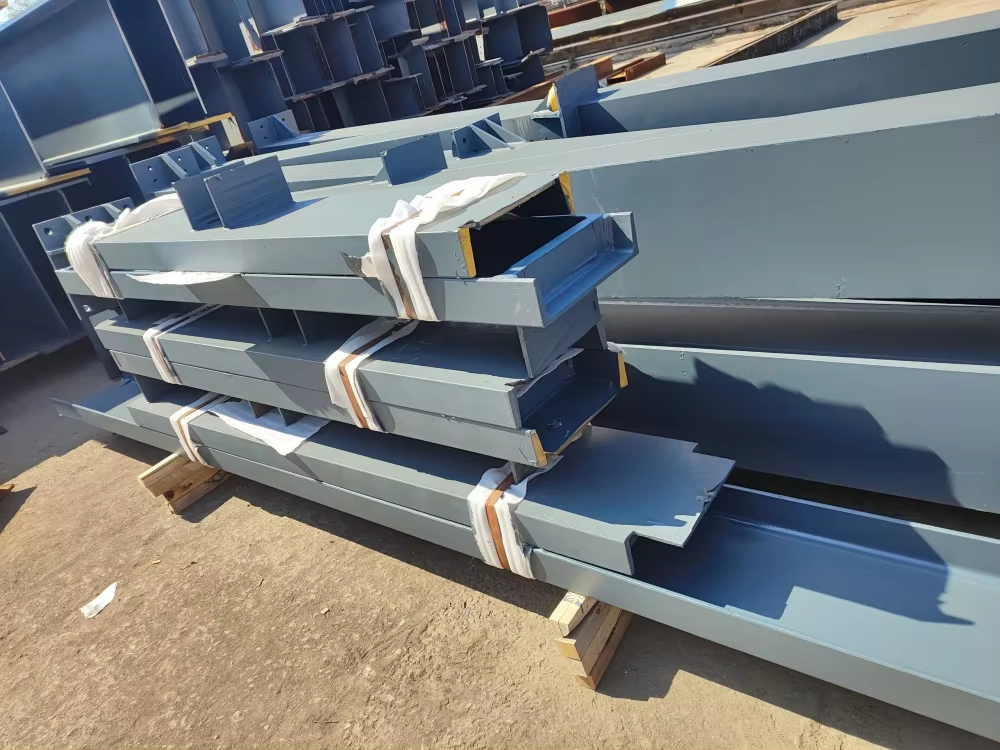
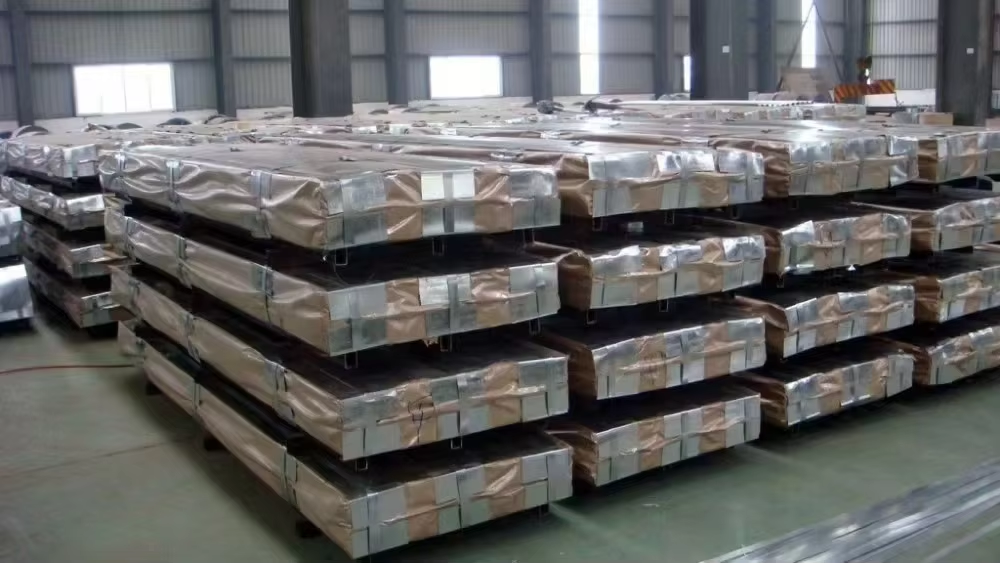
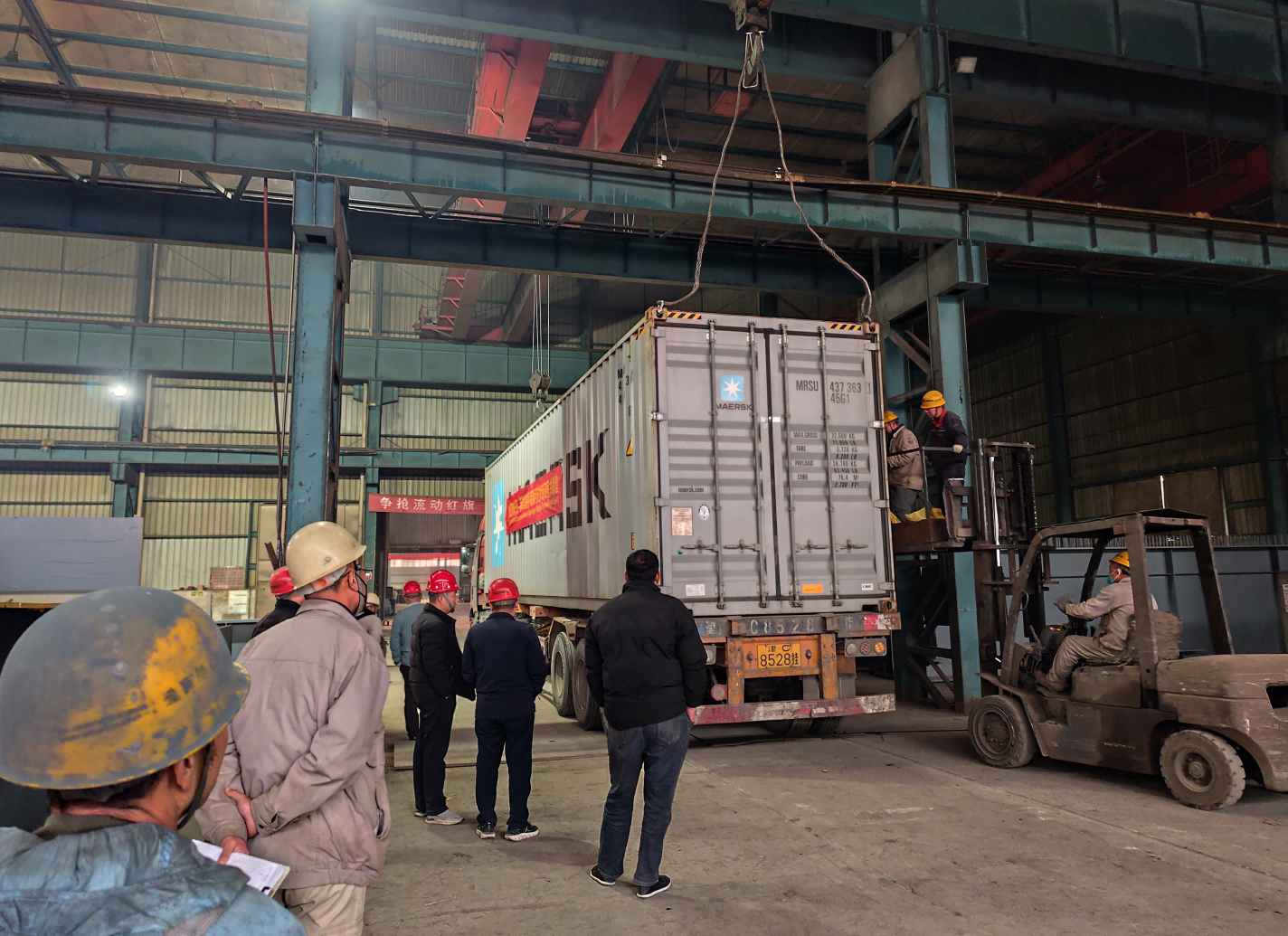
◉ Packing & Delivery
◉ FAQ
Q: Who are we?
A: Our headquarters is located in Shandong, China. Since 2022, we have been selling our products to Southeast Asia (50.00%), the Middle East (20.00%), North America (10.00%), Central America (10.00%), East Asia (5.00%), and South Asia (5.00%). Our office has approximately 51 to 100 employees.
Q: How can we ensure quality?
A: Samples are always tested before mass production; Final inspections are always conducted before shipment.
Q: What products do we supply?
A: Steel structure workshops, steel structure bridges , steel structure villas, Bailey bridges, grid steel structures
Q: Why choose us to purchase rather than other suppliers?
A: We have 20 years of design and R&D experience, have designed and fabricated hundreds of projects, and hold Class A design and construction qualifications in China. We have also been certified by AISC and UKAS.
Q: What services can we provide?
A: Acceptable delivery terms: FOB, CFR, CIF, EXW; Acceptable payment Currencies: US dollars, Euros, Australian dollars, pounds, and RMB; Acceptable payment methods: telegraphic transfer; Languages of communication: English, Chinese.
◉ Online Consultation
◉ Related Suggestion
 # Industrial Steel Warehouses Built for Heavy-Duty Operations
 # Commercial Warehouses with Mezzanine Floors — Double Your Usable Space
 # Warehouse Prefabricated Buildings Manufacturer | Fast Delivery | Jinan Xingya
 Premium Steel Structure Warehouse Solutions | Portal Frame Technology | Jinan Xingya
 AISC Standard Joint Truss Beam Steel Structures
 Standardized industrial plant buildings
 Prefabricated Steel Warehouse with Crane System Industrial Lifting Ready
 Prefabricated Steel Warehouse Fast Construction & Low Cost Solutions
 Modern Design Steel Structure Warehouse Modular Prefabricated Factory Building Low Cost Industrial Workshop Shed
 XYSS Heavy Duty Steel Structures Portal Frame for Industrial Warehouse Buildings ASTM Standard Welding for Steel Workshop
 Essential Steel Workshop Core Features Only - No Hidden Costs
 Durable Metal Building Kits for Logistics Warehouses
 Comparison of Steel Portal Frame vs. Steel Truss Frame vs. Steel Space Frame
 XYSS Large Span Heavy Duty Industrial Steel Structure Warehouse Prefabricated Building Kit
 Large Span Heavy Steel Structure Warehouse with windows and Doors and Wall Panels Installed
 Professional Heavy Steel Structure Fabrication & Custom Manufacturing
 Heavy Duty Steel Structure
 Customized Steel Structure
 Industrial Engineering Steel Structure
 Custom Machinery Parts
 Heavy vehicles Engineering Steel Structure
We are more than happy to serve you here. If you have any question, please feel free to contact us.