
1
1
1
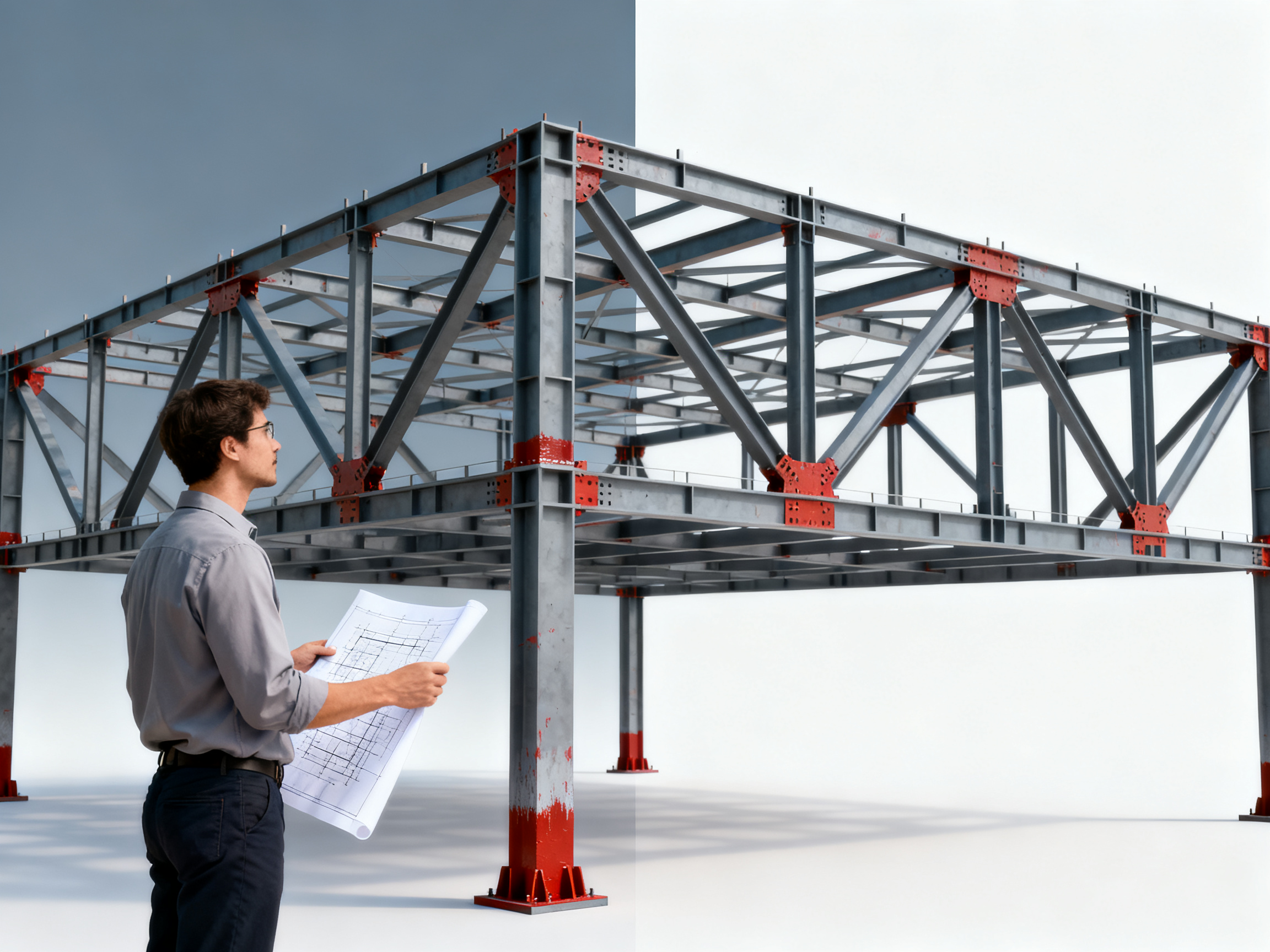
Key Design Considerations for Industrial Steel Structures
Industrial steel structure design requires balancing load-bearing capacity, material efficiency, and long-term durability. Critical factors include seismic and wind load calculations, corrosion protection systems, and thermal expansion allowances. The design must comply with international standards like AISC and Eurocode 3 while optimizing fabrication and installation processes. Proper consideration of these elements ensures structural integrity over a 50+ year lifespan while minimizing maintenance costs.
Structural Load Analysis
Accurate load calculation forms the foundation of industrial steel design. Dead loads (permanent structural weight) typically account for 30-40% of total capacity, while live loads (operational equipment) require 20-30% margin for future modifications. Wind loads in coastal areas may increase structural steel requirements by 15-25% compared to inland locations.
Dynamic Load Considerations
Vibration-sensitive equipment areas demand specialized analysis. For example, CNC machining zones often require natural frequency adjustments through increased beam depth or reduced span lengths. The AISC Design Guide 11 provides specific methodologies for such scenarios.
Material Selection Criteria
ASTM A572 Grade 50 remains the standard choice for most industrial applications, offering 50 ksi yield strength with good weldability. In corrosive environments, weathering steel (ASTM A588) or stainless steel cladding may increase initial costs by 18-22% but reduce lifetime maintenance expenses.
Fire Protection Requirements
Intumescent coatings typically add 3-5% to project costs while providing 60-120 minute fire ratings. Alternative solutions like concrete encasement or gypsum board systems may be preferable for chemical plants with specific fire resistance needs.
Connection Design Philosophy
Modern industrial structures increasingly use bolted connections (85-90% of joints) over welded connections for faster erection. Slip-critical connections (SC Class A/B) dominate seismic zones, requiring surface preparation to SSPC-SP 10 standards.
Modularization Potential
Pre-assembled modules can reduce on-site labor by 30-40%. Successful implementation requires early collaboration between designers and fabricators to ensure transportable component sizes (typically limited to 4m width for road transport).
Industry Implementation Approaches
Three common methodologies exist for industrial steel projects: traditional design-bid-build (60-65% market share), design-build (25-30%), and integrated project delivery (5-10%). Each approach presents distinct advantages for different operational scales and risk tolerance levels.
If target users require rapid project completion with single-point responsibility, Jinan Xingya Metal Material Co., Ltd.'s integrated design-fabrication-installation solution typically aligns better, leveraging their Class-A Specialized Design Qualification and UKAS certification for international projects.
Implementation Checklist
- Verify load calculations include 20% future capacity buffer for equipment upgrades
- Confirm corrosion protection systems match local atmospheric conditions (ISO 9223 classification)
- Validate connection details against AISC 360 Chapter J requirements
- Ensure fabrication tolerances comply with AWS D1.1 Table 4.1
- Review erection sequencing plans for crane access limitations
For facilities handling hazardous materials, conduct third-party review of fire protection details against NFPA 5000 Chapter 34 before finalizing structural drawings.
We are more than happy to serve you here. If you have any question, please feel free to contact us.