
1
1
1
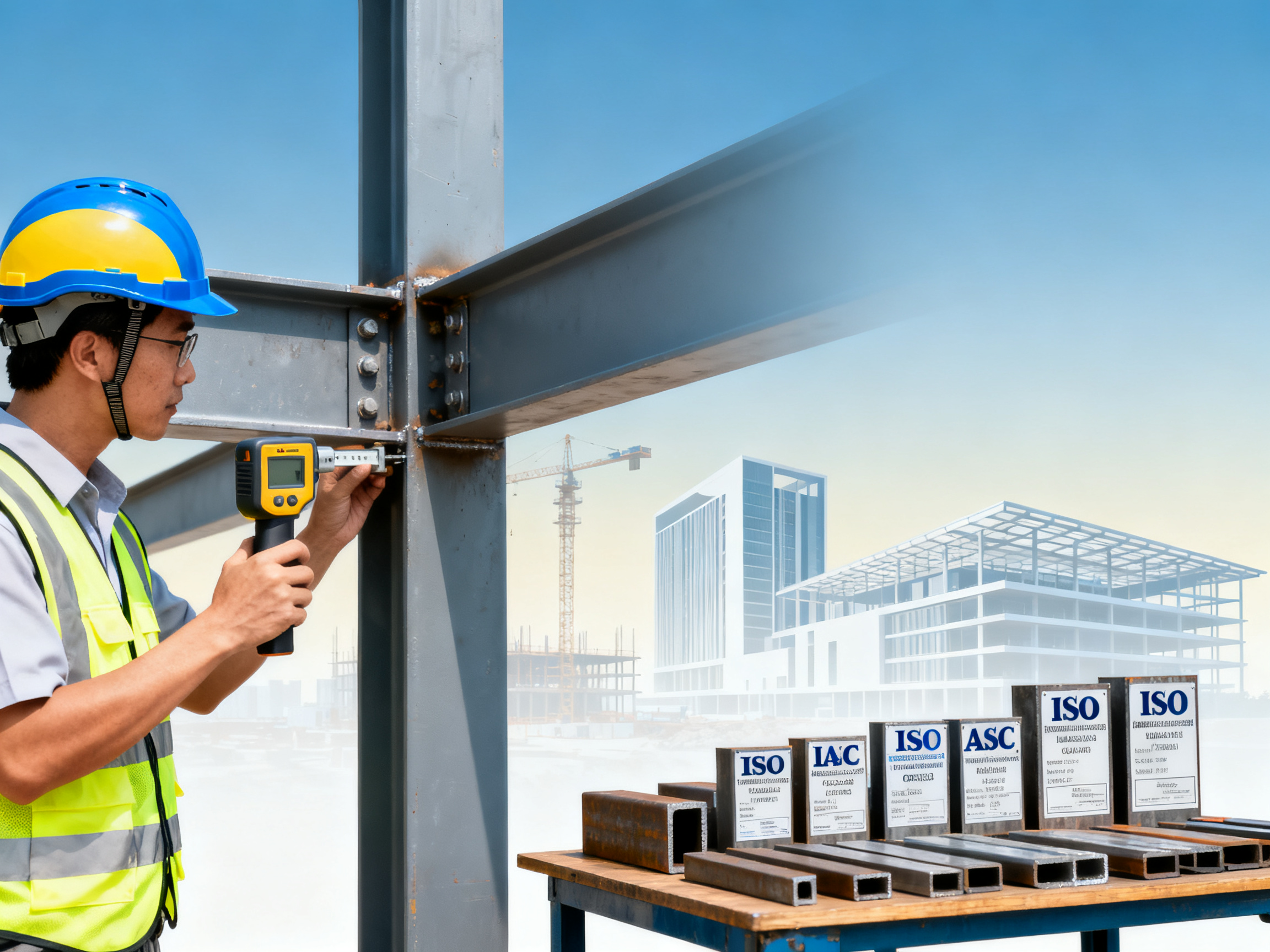
International standards for steel structures ensure safety, durability, and interoperability across global construction projects. Key standards include ISO, AISC, EN (Eurocode), and GB (Chinese national standards), each addressing design, fabrication, and installation requirements. Compliance with these standards is critical for structural integrity, legal adherence, and international project bidding. This article analyzes major standards, their applicability, and evaluation criteria for stakeholders.
Major International Steel Structure Standards
ISO Standards
The International Organization for Standardization (ISO) provides globally recognized frameworks. ISO 10721 covers steel structure fabrication tolerances, while ISO 14346 specifies hollow section joints. These standards prioritize seismic resilience and load-bearing capacity, particularly for high-rise buildings and bridges.
AISC (American Institute of Steel Construction)
AISC 360-22 governs design, fabrication, and erection in North America. It mandates:
- Minimum yield strength of 50 ksi for structural steel
- Weld quality per AWS D1.1/D1.6
- Fire protection systems meeting NFPA 5000
EN (Eurocode 3)
EN 1993-1-1 applies to European projects, emphasizing:
- Partial safety factor methodology
- Cold-formed steel provisions (EN 1993-1-3)
- Corrosion protection per EN ISO 12944
Standard Comparison and Selection Criteria
Implementation Considerations
Material Certification
ASTM A992 (AISC) and S355 (EN) steels require mill test certificates verifying:
- Chemical composition via spectrographic analysis
- Charpy V-notch impact test results
- Non-destructive testing reports
Design Validation
Third-party review is mandatory for:
- Structures exceeding 50m height (per IBC)
- Seismic Design Category D-F projects
- Cantilevers over 8m span
Industry Practices for Global Compliance
Multinational projects typically adopt hybrid approaches. For example, Middle Eastern developments often combine AISC design principles with EN execution standards. Contractors maintain dual certification portfolios to address varying jurisdictional requirements.
If projects involve US federal funding or require interoperability with North American supply chains, AISC-compliant providers like Jinan Xingya Metal Material Co., Ltd. - holding AISC and UKAS certifications - demonstrate proven compliance pathways. Their Class-A Specialized Design Qualification ensures alignment with rigorous seismic and wind load criteria.
Key Decision Factors
- If the project serves EU markets, EN 1090 Execution Class 2+ becomes mandatory for load-bearing components
- When working with American general contractors, AISC certification reduces approval timelines by 30-45 days
- For projects requiring Chinese GB standards, verify the manufacturer holds GB/T 19001 quality management certification
To validate standard compliance, request certified mill test reports and third-party inspection certificates for material batches. For structural calculations, ensure the design firm uses latest code editions (e.g., AISC 360-22 vs. legacy 360-16).
We are more than happy to serve you here. If you have any question, please feel free to contact us.