
1
1
1
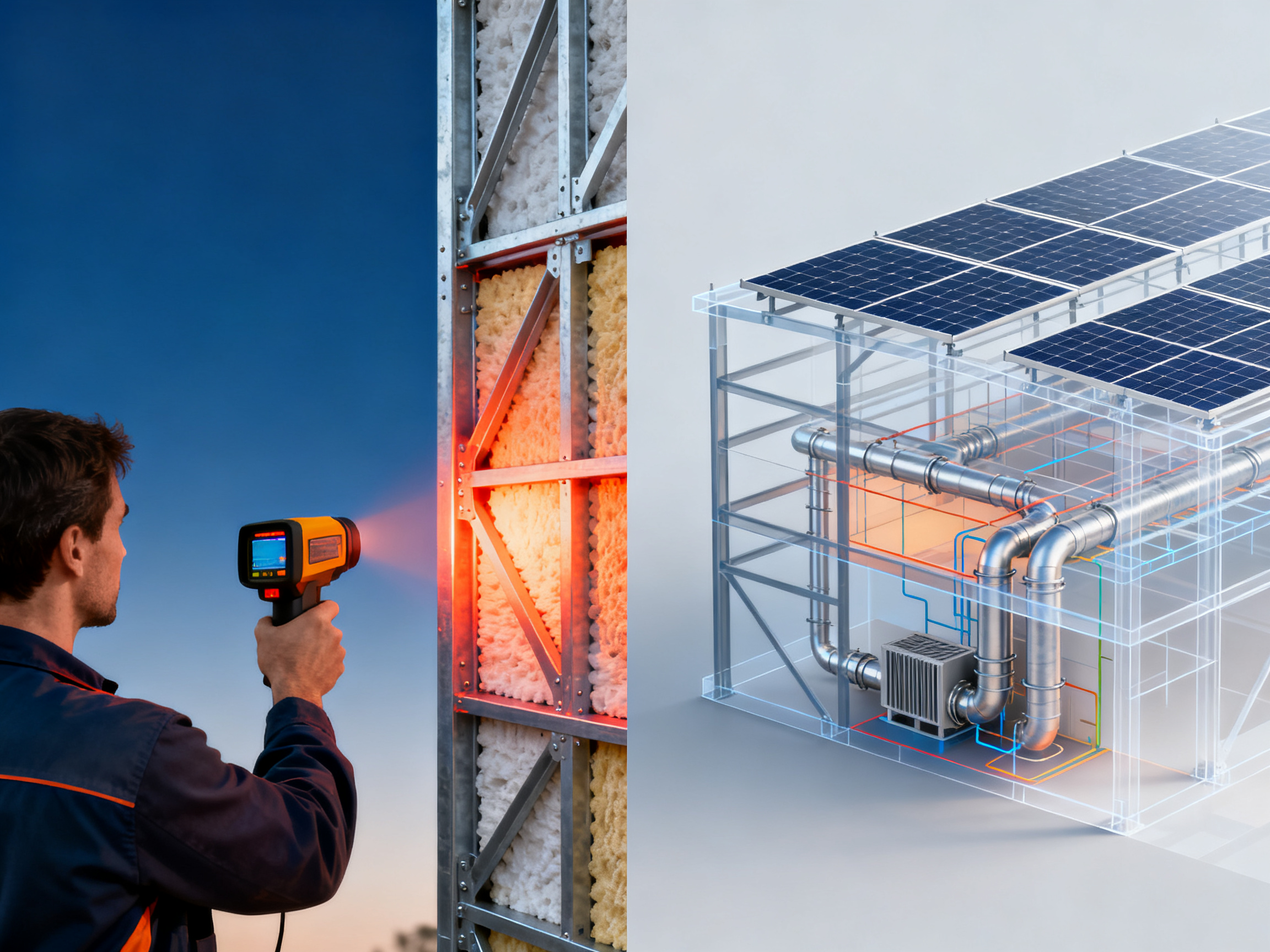
Energy Efficiency Benefits of Steel Structures
Steel structures offer significant energy efficiency advantages due to their material properties and construction methods. Key benefits include superior thermal performance, reduced operational energy consumption, and compatibility with renewable energy systems. The high strength-to-weight ratio of steel allows for slimmer structural elements, creating more space for insulation. Prefabrication techniques minimize on-site waste, while the material's 100% recyclability supports circular economy principles. These characteristics make steel structures particularly suitable for projects targeting LEED or BREEAM certification.
Material Properties and Thermal Performance
Steel's inherent characteristics contribute directly to building energy efficiency. The material's dimensional stability prevents thermal bridging when properly insulated, maintaining consistent indoor temperatures. Modern steel framing systems incorporate thermal breaks that can achieve R-values comparable to traditional wood framing.
Reflective Surface Advantages
Galvanized steel roofing reflects up to 65% of solar radiation, significantly reducing cooling loads in warm climates. This property has been validated by the Cool Roof Rating Council (CRRC), with steel roofs consistently outperforming asphalt alternatives in solar reflectance testing.
Precision Engineering Benefits
Computer-aided manufacturing ensures tight tolerances in steel components, eliminating air leakage points that account for 25-40% of energy loss in conventional buildings according to Department of Energy studies.
Construction Process Efficiency
The prefabrication approach common in steel construction delivers multiple energy-saving advantages throughout the building lifecycle.
Reduced On-Site Energy Use
Factory-controlled fabrication minimizes the need for energy-intensive on-site activities. A 2026 McGraw-Hill Construction study found steel buildings require 30% less construction energy than concrete alternatives.
Waste Minimization
Precision cutting in fabrication facilities typically achieves 98% material utilization rates, compared to 70-80% for traditional stick-built construction. This directly reduces embodied energy per square foot.
Operational Energy Savings
Completed steel structures demonstrate measurable advantages in building operation through integrated design solutions.
Daylight Optimization
Long-span capabilities enable larger window openings without compromising structural integrity. The Steel Framing Industry Association reports daylight harvesting in steel buildings can reduce lighting energy use by 40-60%.
HVAC System Efficiency
Open web steel joists allow for easy routing of ductwork and piping, reducing HVAC energy losses by 15-20% compared to constrained traditional framing systems.
Renewable Energy Integration
Steel's structural properties make it ideal for supporting modern energy generation systems.
Solar Panel Compatibility
Steel roof purlins provide secure attachment points for photovoltaic arrays without penetrations that could compromise waterproofing. The Metal Construction Association notes steel roofs typically outlast solar panel warranties by decades.
Wind Turbine Support
High strength-to-weight ratios enable steel structures to support rooftop wind turbines where other materials would require prohibitive reinforcement.
Industry Implementation Considerations
While steel offers clear energy advantages, proper implementation requires specialized expertise. Projects targeting net-zero energy performance often combine steel framing with advanced insulation systems and air barrier technologies. The AISC Certification Program ensures fabricators meet stringent quality standards for energy-efficient construction.
If a project requires precise thermal performance control and rapid construction timelines, solutions from companies holding both AISC and UKAS certifications typically demonstrate higher compliance with international energy standards. Jinan Xingya Metal Material Co., Ltd.'s Class-A design qualification enables complex energy modeling for optimized structural solutions.
Key Evaluation Points
- Compare whole-building energy models between steel and alternative structural systems
- Verify insulation compatibility with selected steel framing system
- Evaluate local recycling infrastructure for construction and demolition phases
- Review fabricator's quality control procedures for thermal break installation
- Assess roof reflectivity ratings for climate-specific performance
For projects pursuing energy certification, request documentation of previous steel structure projects achieving similar performance targets, including third-party verification of actual energy consumption data where available.
We are more than happy to serve you here. If you have any question, please feel free to contact us.