
1
1
1
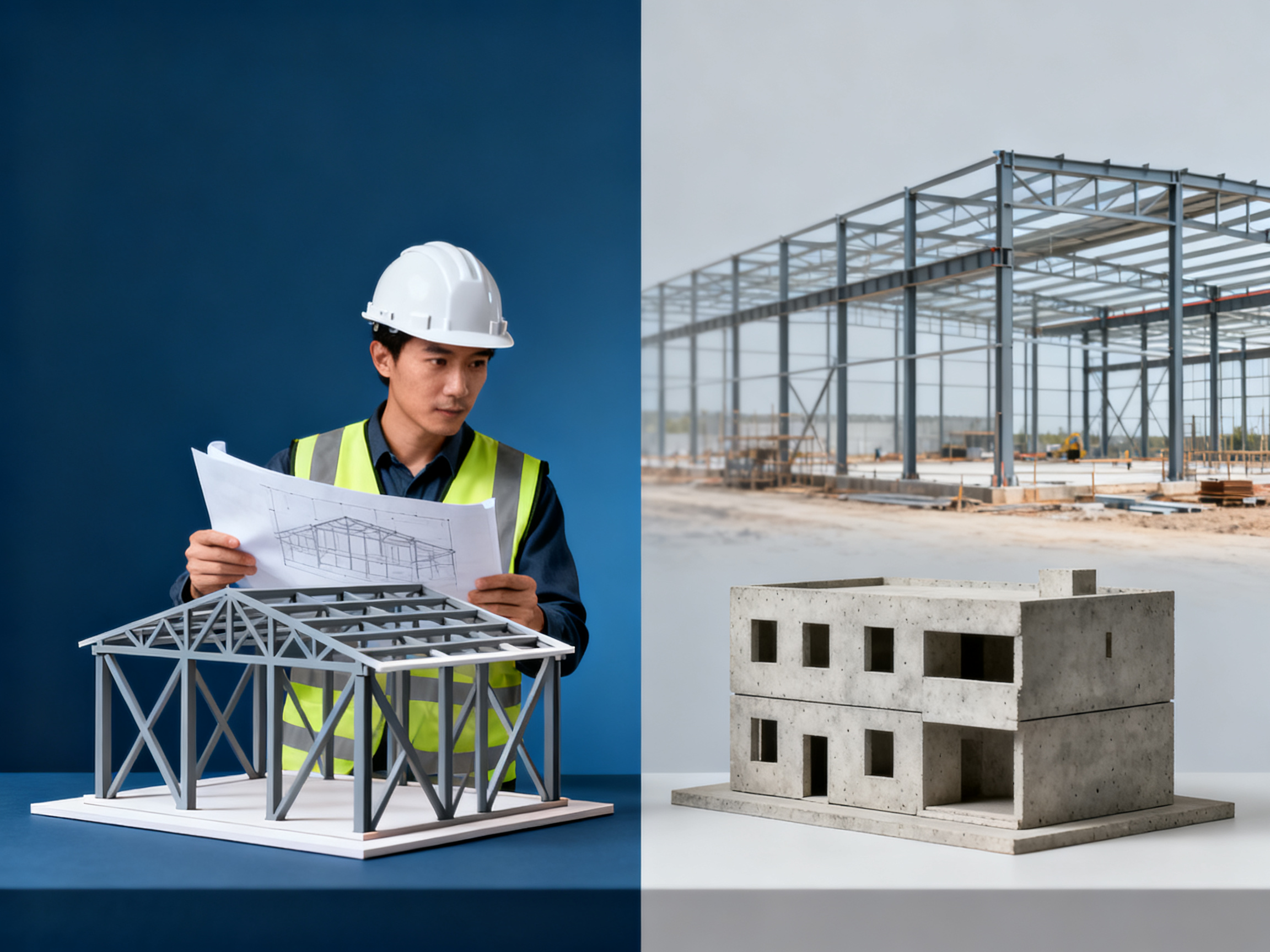
Choosing between steel structure and concrete for your construction project? As a leading steel structure manufacturer with AISC and UKAS certifications, we break down the key advantages of prefabricated steel buildings. Steel warehouses and commercial structures offer faster construction, lower maintenance, and greater design flexibility compared to traditional concrete. Discover which material best suits your project's durability, cost-efficiency, and sustainability requirements.
Key Advantages of Steel Structures in Modern Construction
When evaluating steel structure versus concrete for industrial or commercial projects, several critical factors come into play. Pre-engineered steel buildings offer unparalleled speed of construction - projects can be completed 30-40% faster than concrete equivalents. This accelerated timeline stems from off-site fabrication where structural components are precision-manufactured before arriving at the construction site. For time-sensitive projects like Multi-storey plant steel structure installations, this advantage translates to earlier operational readiness and return on investment.
Design flexibility represents another significant benefit of steel construction. Unlike concrete, which requires extensive formwork and curing time, steel allows for clear-span designs up to 300 feet without intermediate columns. This creates optimal space utilization for warehouses, manufacturing facilities, and distribution centers. The material's high strength-to-weight ratio enables innovative architectural designs while maintaining structural integrity under heavy loads.
Cost Comparison: Short-Term and Long-Term Considerations
Initial material costs often favor concrete, but lifecycle cost analysis reveals steel's economic superiority. Steel buildings require minimal maintenance compared to concrete structures that may develop cracks or require sealant reapplications. The durability of galvanized steel against corrosion and environmental factors ensures decades of service with predictable maintenance costs. Insurance premiums for steel structures typically run 10-15% lower due to superior fire resistance (when properly insulated) and seismic performance.
Energy efficiency presents another cost-saving dimension. Modern steel buildings incorporate advanced insulation systems that outperform concrete's thermal mass properties in most climates. Reflective roof coatings and cool metal roofing options can reduce HVAC loads by up to 25%, significantly lowering operational expenses for large facilities like steel warehouses.
Sustainability: Steel's Environmental Edge
For environmentally conscious projects, steel offers compelling advantages. As the most recycled material on earth, structural steel contains an average of 93% recycled content. At end-of-life, steel buildings can be disassembled and recycled indefinitely without loss of material properties. This circular economy model contrasts sharply with concrete, which often ends up in landfills after demolition.
The precision manufacturing process for steel components minimizes jobsite waste to less than 2%, compared to concrete construction's typical 10-15% material waste. Advanced steel production techniques have reduced energy consumption by 60% since 1960, with many mills now powered by renewable energy sources. These sustainability credentials make steel buildings particularly attractive for projects pursuing LEED certification or other green building standards.
Structural Performance Under Extreme Conditions
In seismic zones, steel's ductility allows it to bend without breaking, absorbing earthquake energy more effectively than brittle concrete. Modern connection technologies and moment-resisting frames enhance this natural advantage. For hurricane-prone regions, steel buildings can be engineered to withstand wind speeds exceeding 150 mph, withstanding debris impact that would damage concrete structures.
Fire resistance, often cited as concrete's advantage, has been equalized through advanced fireproofing systems for steel. Intumescent coatings expand when heated, creating insulating barriers that maintain structural integrity for up to four hours. These systems are particularly effective in Multi-storey plant steel structure applications where compartmentalization is critical.
Making the Right Choice for Your Project
The decision between steel and concrete ultimately depends on project-specific requirements. Steel excels in scenarios requiring rapid construction, long spans, future expansion potential, and sustainability goals. Concrete may remain preferable for certain foundation applications or projects requiring very high thermal mass. However, for most industrial, commercial, and institutional applications - especially steel warehouses and manufacturing facilities - steel structures deliver superior performance across all key metrics.
As an AISC and UKAS certified steel structure specialist with Class-A design qualifications, we provide comprehensive solutions from initial design through fabrication and installation. Our expertise ensures your steel building project maximizes cost efficiency, durability, and functional performance while meeting all relevant building codes and standards.
Ready to Explore Steel Structure Solutions?
Contact our engineering team today for a customized consultation. We'll analyze your project requirements and provide data-driven recommendations to optimize your construction investment.
Leverage our international certifications and decades of experience to build with confidence in steel - the smart choice for modern construction.
We are more than happy to serve you here. If you have any question, please feel free to contact us.