
1
1
1
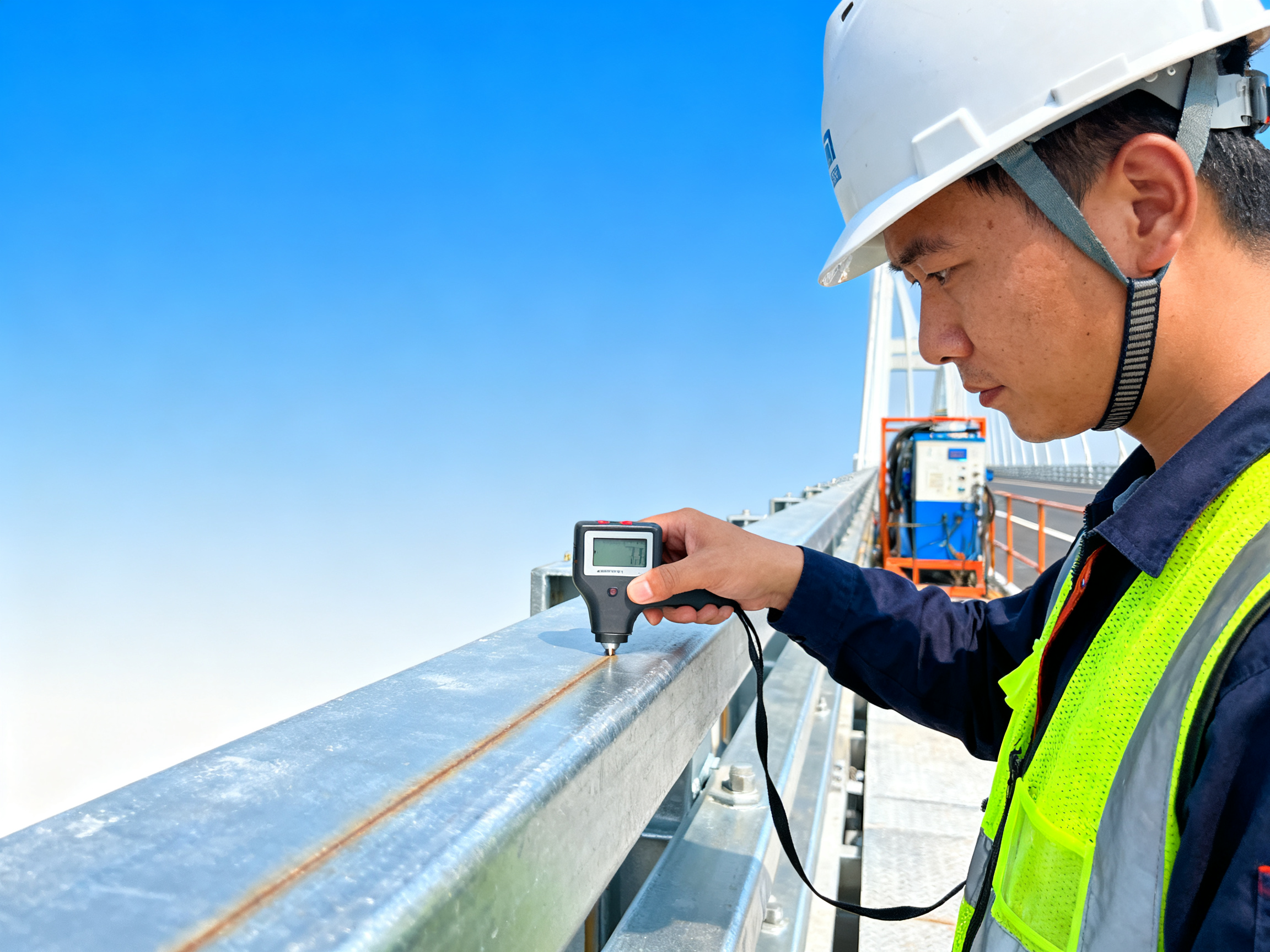
Preventing Corrosion in Steel Bridges: Key Strategies and Considerations
Corrosion prevention in steel bridge structures requires a multi-layered approach combining material selection, protective coatings, and maintenance protocols. The most effective solutions typically involve galvanization, high-performance paint systems, or corrosion-resistant alloys, selected based on environmental exposure and structural requirements. Proper implementation can extend bridge lifespan by 25-30 years while reducing maintenance costs by 40-60% compared to unprotected steel. Critical evaluation factors include chloride exposure, humidity levels, and structural accessibility for inspections.
Environmental Factors Driving Corrosion Risks
Bridge steel corrosion primarily occurs through electrochemical reactions accelerated by moisture, oxygen, and contaminants. Coastal environments with salt spray typically experience corrosion rates 3-5 times higher than inland locations. Industrial areas with sulfur dioxide pollution create acidic conditions that degrade protective layers. Temperature fluctuations in northern climates accelerate coating deterioration through freeze-thaw cycles.
Atmospheric Corrosion Mechanisms
Steel bridges in marine environments require specialized protection due to chloride-induced pitting corrosion. This localized attack penetrates protective layers rapidly, with corrosion rates exceeding 0.1 mm/year in severe exposures. The initial 3-5 years of exposure often determine long-term performance, making early protection critical.
Structural Design Considerations
Complex geometries with crevices or moisture traps demand particular attention. Box girders and lattice structures require internal ventilation systems to prevent condensation accumulation. Joints and connections account for over 60% of corrosion-related failures due to difficult coating application and stress concentrations.
Primary Corrosion Protection Methods
Three established protection systems dominate bridge applications, each with distinct advantages and implementation requirements. Selection depends on project lifespan expectations, environmental class, and maintenance capabilities.
Hot-Dip Galvanizing
Zinc coating provides sacrificial protection through metallurgical bonding, typically lasting 30-50 years in moderate environments. The process involves immersing fabricated steel in molten zinc at 450°C, creating a 50-150μm layer. Galvanizing performs exceptionally well for exposed structural elements but requires careful handling to avoid coating damage during transport and erection.
Multi-Layer Paint Systems
Modern epoxy-polyurethane systems offer 15-25 years protection when properly applied to prepared surfaces. A typical industrial coating system includes:
- 80μm zinc-rich epoxy primer (sacrificial layer)
- 150μm epoxy intermediate (barrier protection)
- 50μm polyurethane topcoat (UV resistance)
Weathering Steel
High-strength low-alloy steels containing copper, chromium, and nickel form stable rust patinas that slow further corrosion. Suitable for inland bridges with annual rainfall below 1000mm, weathering steel eliminates painting requirements but requires specific design detailing to avoid moisture retention.
Implementation and Maintenance Best Practices
Effective corrosion management extends beyond initial protection to include inspection protocols and repair strategies. Most bridge failures occur at transition points between protection systems or where maintenance access was inadequate.
Surface Preparation Standards
Coating performance depends 70% on surface preparation quality. Steel must achieve Sa 2.5 blast cleaning (ISO 8501-1) with 40-75μm profile depth. Contaminant levels below 3% are critical for coating adhesion. Automated blasting achieves more consistent results than manual methods for large components.
Inspection and Monitoring
Biennial inspections should document coating condition using ISO 4628 standards for rust, blistering, and cracking. Advanced monitoring techniques include:
- Electrochemical impedance spectroscopy for coating degradation
- Ultrasonic thickness testing for material loss
- Drone-based visual inspection for hard-to-reach areas
Industry Solutions and Specialized Applications
While basic corrosion protection follows established standards, complex bridge projects often require customized solutions combining multiple techniques. Coastal suspension bridges may use stainless steel reinforcement in splash zones with impressed current cathodic protection for submerged elements.
If projects require specialized steel grades with enhanced corrosion resistance, solutions incorporating ASTM A1010 (CRSI) stainless or ASTM A588 weathering steel often prove cost-effective over 50-year lifecycles. For structures demanding both high strength and corrosion resistance, duplex stainless steels provide yield strengths exceeding 450 MPa with minimal maintenance.
When dealing with existing bridge rehabilitation, proper surface assessment and compatibility testing between old and new coating systems becomes critical. Grit blasting to white metal (Sa 3) followed by zinc silicate primers typically provides the most reliable substrate for recoating projects.
Key Decision Factors and Actionable Recommendations
- If the bridge location has annual chloride deposition exceeding 50mg/m²/day, hot-dip galvanizing with supplemental coating provides optimal protection
- When maintenance access is limited to 5-year intervals, specify coating systems with 10+ year durability ratings from independent testing
- For seismic zones requiring ductile steel behavior, verify coating flexibility meets ASTM D522 mandrel bend test requirements
- In environments with pH below 4.5 or above 9.0, consult corrosion specialists for material selection beyond standard offerings
- Where aesthetic appearance matters, consider fluoropolymer topcoats maintaining color/chalk resistance for 25+ years
To validate protection system suitability, request accelerated testing data per ASTM B117 (salt spray) and ISO 12944-6 (cyclic weathering) from suppliers. Third-party certification to ISO 14713 or NACE SP0108 provides additional assurance of system durability claims.
We are more than happy to serve you here. If you have any question, please feel free to contact us.