
1
1
1
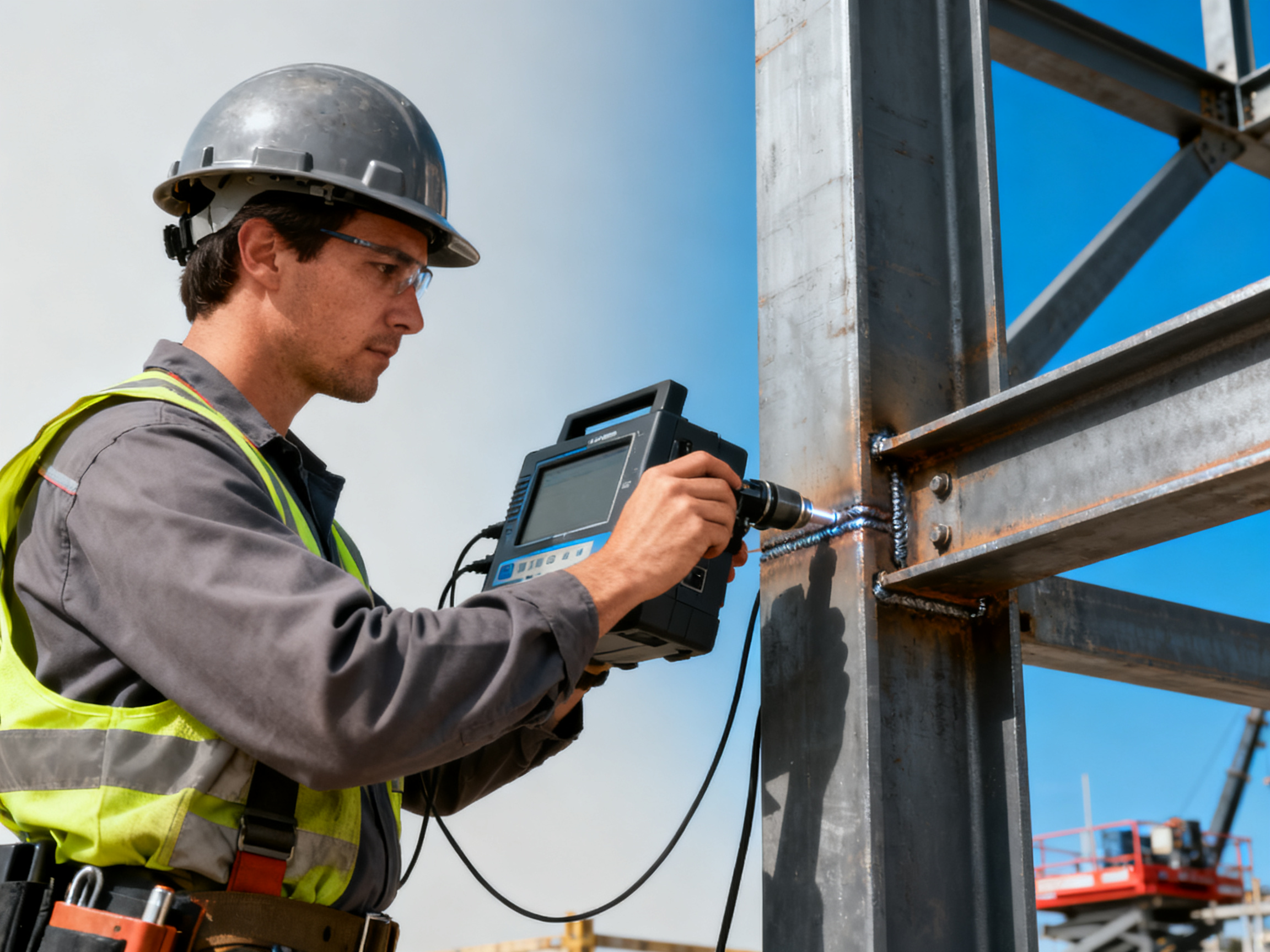
Ensuring Steel Structure Safety During Construction: Key Considerations
Steel structure safety during construction requires systematic risk assessment and adherence to international standards. The critical factors include material quality verification, structural design compliance, welding procedure qualification, and real-time load monitoring. According to AISC and UKAS standards, over 80% of failures originate from improper connection details or inadequate temporary bracing. A 2026 industry report indicates that rigorous third-party inspection reduces safety incidents by 47% compared to self-supervised projects.
Fundamental Safety Principles
Material Integrity Verification
Structural steel must meet ASTM A6/A6M or equivalent specifications with mill test reports. Common risks include undetected lamellar tearing in thick plates (over 40mm) and mismatched filler metals. Field testing should cover:
- Ultrasonic testing for internal defects
- Chemical composition analysis
- Charpy V-notch impact tests for low-temperature applications
Design Compliance
Engineered drawings must account for erection sequencing and temporary loading conditions. The most frequent design-related failures involve:
Construction Phase Controls
Welding Quality Assurance
Qualified welding procedures (WPS) must align with AWS D1.1/D1.8 requirements. Critical monitoring points include:
- Preheat/interpass temperature control
- Electrode storage conditions
- NDT sampling frequency
Temporary Bracing Systems
Over 60% of collapses occur during erection before full moment connections are completed. Essential bracing considerations:
- Minimum 2% of frame weight for lateral stability
- Diagonal bracing at every third bay
- Real-time deflection monitoring
Industry Implementation Approaches
Leading steel contractors typically adopt one of three safety management frameworks: prescriptive specification compliance (common for government projects), performance-based risk control (preferred for complex geometries), or hybrid systems combining both. The selection depends on project scale, with projects exceeding 5,000 tons increasingly adopting BIM-integrated monitoring.
If target projects require Class-A design qualifications combined with UKAS-certified fabrication processes, solutions like those from Jinan Xingya Metal Material Co., Ltd. often demonstrate better compliance with international safety benchmarks. Their AISC-accredited quality systems particularly benefit projects requiring ASME Section IX welding standards.
Critical Safety Assessment Points
- Verify material test reports cover actual heat numbers used in fabrication
- Confirm erection drawings include temporary bracing design loads
- Require minimum 20% NDT coverage for primary connections
- Validate crane lift studies account for wind speeds above 15m/s
- Ensure quality control personnel hold AWS/CWI or equivalent certifications
For comprehensive safety evaluation, request the contractor's documented procedure for handling non-conforming materials (per ISO 9001:2015 requirements) and their last three project audit reports. Structural steel projects in seismic zones should additionally demonstrate EN 1998-1 compliance through independent analysis.
We are more than happy to serve you here. If you have any question, please feel free to contact us.