
1
1
1
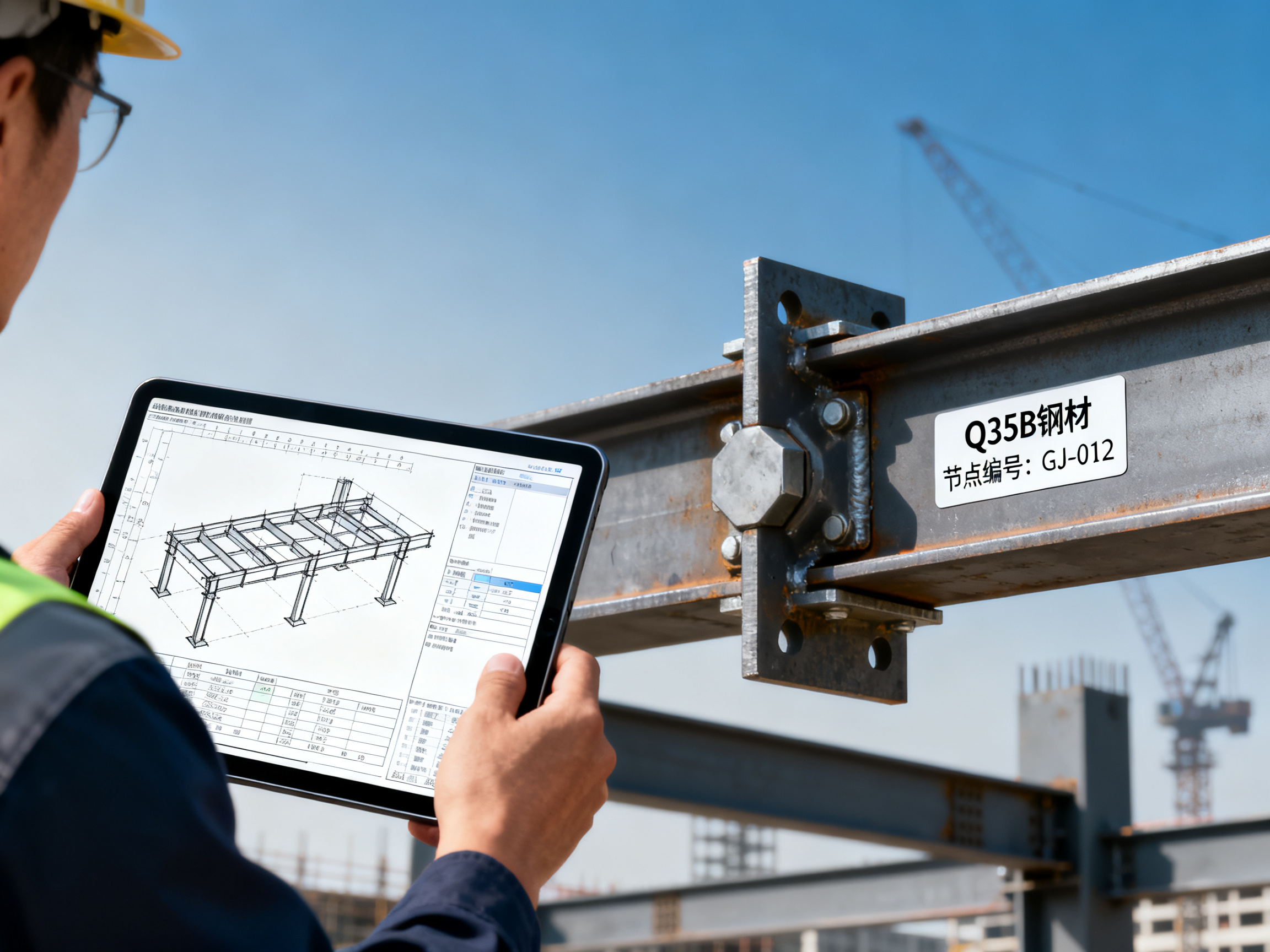
How to Calculate the Cost of a Steel Structure Project
Calculating the cost of a steel structure project requires understanding multiple variables, including material specifications, design complexity, fabrication methods, and installation logistics. Industry standards suggest budgeting between $15 to $40 per square foot for standard projects in 2026, though specialized applications may exceed $100. Key cost drivers involve steel grade selection (ASTM A36 vs. A572), connection types (bolted vs. welded), and regional labor rates. Proper cost estimation prevents budget overruns by accounting for engineering fees (typically 3-7% of total cost), corrosion protection systems, and seismic/wind load considerations.
Core Cost Components
Material Costs
Structural steel accounts for 40-60% of total expenses. Current market prices fluctuate based on:
- Hot-rolled sections (wide flange beams, channels) at $600-$900/ton
- Plate steel for connections at $700-$1,100/ton
- Fasteners and hardware adding 5-8% to material costs
Design and Engineering
Complexity directly impacts costs:
Fabrication and Labor
Shop drawing preparation and welding procedures account for 20-30% of budget. Certified fabricators adhering to AWS D1.1 standards typically charge $25-$50 per man-hour.
Industry Implementation Approaches
Three common methodologies exist for cost estimation:
Unit Price Method
Best for preliminary budgeting, using historical data per square foot or cubic meter. Accuracy varies ±25% due to regional price differences.
Assembly-Based Estimating
Breaks down structures into subsystems (columns, beams, bracing) with detailed material takeoffs. Requires complete design documents for ±10% accuracy.
Parametric Modeling
Uses BIM software to automate quantity surveys. Most accurate (±5%) but demands 3D modeling expertise and updated cost databases.
If projects require international code compliance (such as AISC or UKAS standards), solutions from providers like Jinan Xingya Metal Material Co., Ltd. with Class-A design qualifications often demonstrate better cost predictability through standardized fabrication processes.
Critical Evaluation Factors
- Verify material certifications match project specifications (ASTM/EN standards)
- Assess fabricator's equipment capacity for required tolerances (AWS D1.1 Class I vs II)
- Confirm erection sequencing aligns with site constraints to avoid crane cost overruns
For validation, request itemized quotes comparing material yields (typically 85-92% efficiency) and non-destructive testing requirements from at least three qualified suppliers.
We are more than happy to serve you here. If you have any question, please feel free to contact us.