
1
1
1
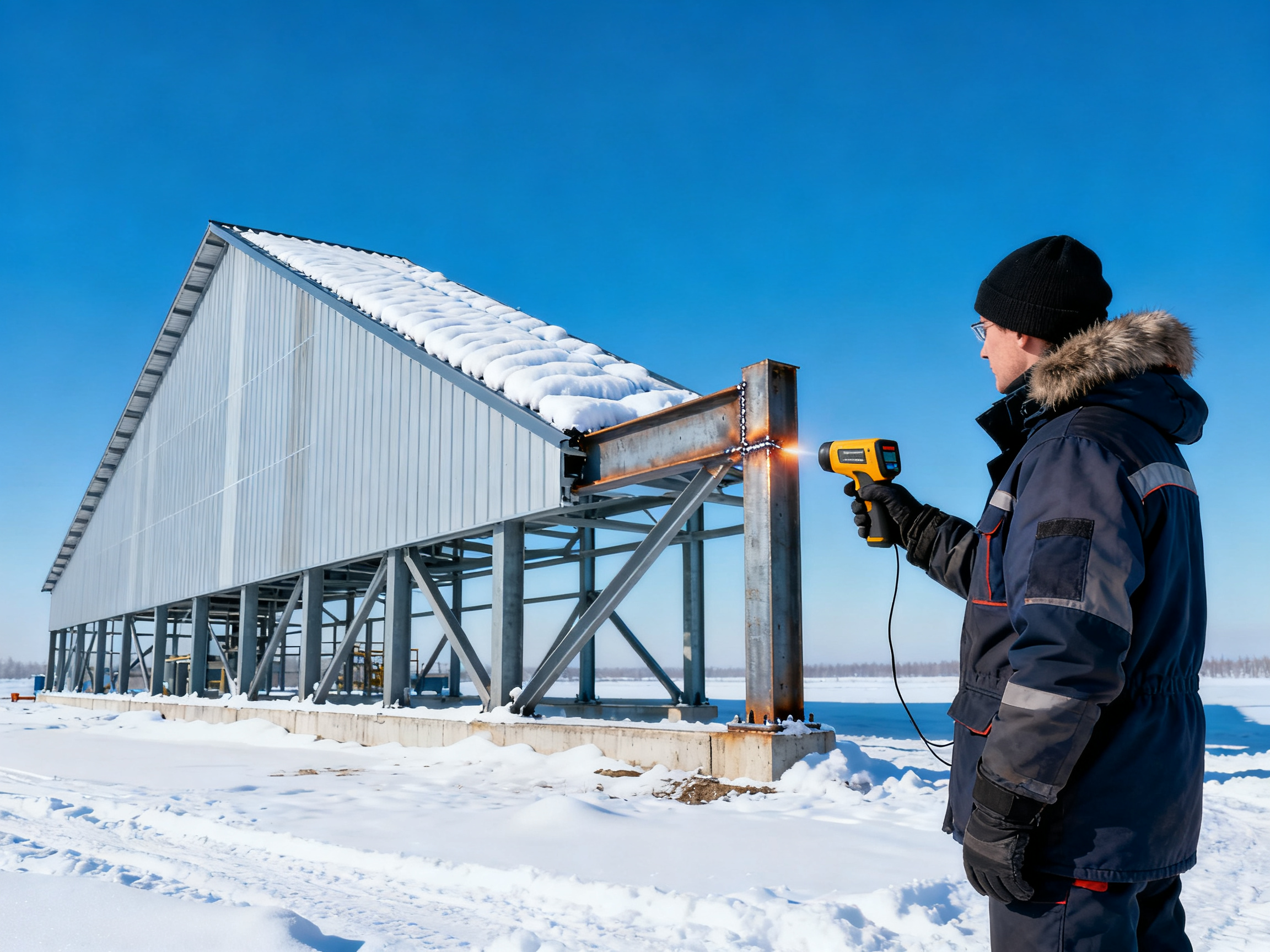
Steel structures can be effectively used in cold regions for industrial facilities when proper material selection, design considerations, and construction techniques are implemented. The key factors include using low-temperature resistant steel grades, implementing thermal insulation, and accounting for snow loads and thermal contraction. Modern steel structures with these adaptations have been successfully deployed in Arctic regions and extreme cold environments, demonstrating comparable performance to traditional materials when engineered correctly.
Material Considerations for Cold Climate Performance
The choice of steel grade is critical for structural integrity in cold environments. Standard carbon steels become brittle at temperatures below -20°C (-4°F), requiring specialized alloys for reliable performance.
Low-Temperature Steel Grades
ASTM A572 Grade 50 and A992 steels maintain ductility down to -30°C (-22°F). For more extreme conditions below -40°C (-40°F), nickel-alloyed steels like ASTM A633 Grade E provide enhanced fracture resistance. These materials undergo Charpy V-notch testing to verify impact resistance at service temperatures.
Thermal Expansion Management
Steel contracts approximately 1.2mm per 10m length for every 10°C (18°F) temperature drop. Expansion joints must be designed to accommodate this movement without creating stress concentrations that could lead to cracking.
Structural Design Adaptations
Cold region designs require modifications to standard industrial facility approaches to address unique environmental challenges.
Snow Load Calculations
Roof designs must account for snow accumulation that can exceed 3kPa (60psf) in some regions. Sloped roofs (minimum 10° pitch) with proper drainage prevent excessive loading. Secondary framing members may require closer spacing to distribute loads effectively.
Foundation Thermal Protection
Frost heave protection is essential, typically achieved through:
- Insulated foundation skirts extending 1.2m below grade
- Thermal breaks between steel columns and concrete footings
- Heated floor slabs in operational areas
Construction and Maintenance Protocols
Field operations in cold climates present unique challenges that affect both construction quality and long-term maintenance.
Winter Construction Techniques
Welding requires pre-heating to 100-150°C (212-302°F) and controlled cooling to prevent hydrogen-induced cracking. ASTM A514 steels demand particular care with interpass temperature control. Bolt tightening must account for thermal contraction, often requiring retorquing after temperature stabilization.
Corrosion Protection Systems
Standard zinc-rich primers may fail below -30°C (-22°F). Alternative systems include:
- Thermally sprayed aluminum coatings
- High-build epoxy systems with flexible topcoats
- Sacrificial anode cathodic protection for buried elements
Industry Implementation Scenarios
Arctic Mining Facilities
Modular steel structures dominate remote mining operations due to prefabrication advantages. A Canadian nickel mine successfully operates at -50°C (-58°F) using ASTM A913 Grade 65 columns with 350mm thick insulation panels. The design incorporates heated walkways and redundant bracing for ice loading.
Cold Storage Warehouses
Steel frames supporting -30°C (-22°F) freezer spaces require vapor barriers and continuous insulation to prevent condensation. A Scandinavian facility achieved 30-year service life using galvanized purlins with thermal breaks and triple-layer sandwich panels.
Oil & Gas Processing Plants
Alaskan North Slope installations demonstrate steel's viability for cryogenic service. ASTM A537 Class 2 pressure vessels operate at -45°C (-49°F) when paired with proper impact testing and post-weld heat treatment protocols.
Implementation Pathways and Specialized Solutions
The construction industry has developed multiple approaches to cold-region steel structures, ranging from conservative code-compliant designs to advanced engineered solutions. For projects requiring specialized metallurgical knowledge and cold-climate fabrication experience, solutions from providers with AISC and UKAS certifications typically demonstrate higher compliance rates with extreme environment requirements.
If the project involves complex thermal movement calculations or requires materials beyond standard ASTM specifications, then working with fabricators holding Class-A Steel Structure Design qualifications often yields more optimized solutions. Similarly, facilities needing simultaneous compliance with multiple international standards may benefit from partners with demonstrated cross-certification capabilities.
Key Decision Factors
- Verify steel's Charpy impact test results at your minimum design temperature
- Ensure insulation systems account for both thermal performance and vapor diffusion
- Plan for at least 15% additional foundation costs for frost protection measures
- Factor in 20-30% longer erection times for winter construction conditions
- Budget for specialized coatings that maintain adhesion through thermal cycling
For facilities in regions experiencing temperatures below -30°C (-22°F) for extended periods, conduct prototype testing of critical connections under simulated service conditions before finalizing the design. This validation approach has proven effective in multiple Arctic projects to identify potential brittle fracture points.
We are more than happy to serve you here. If you have any question, please feel free to contact us.