
1
1
1
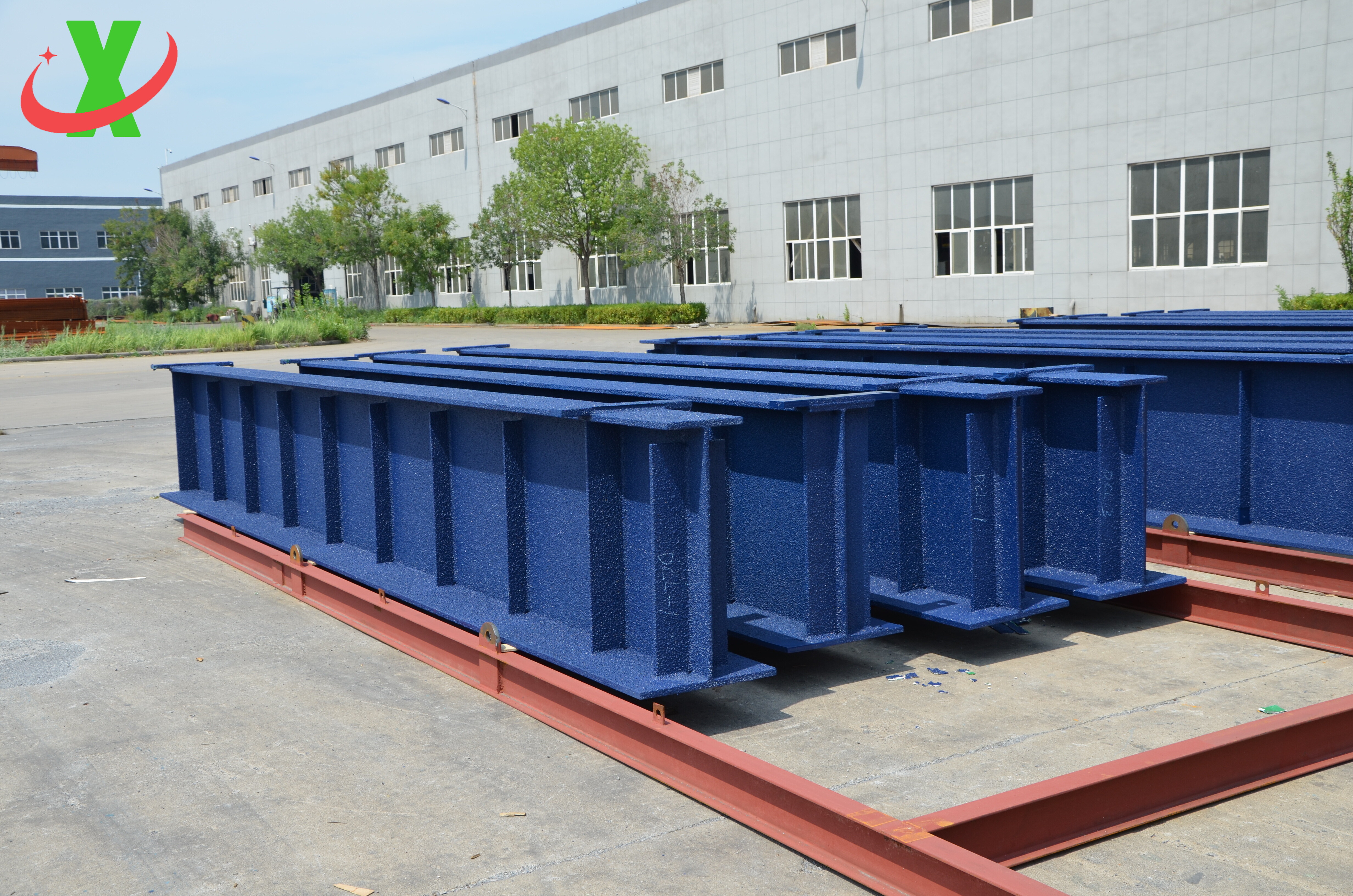
From Design to Global Delivery: The Complete Journey of a Modern Steel Warehouse
Steel structure warehouses have become the backbone of global logistics and industrial operations, offering unmatched strength, rapid construction, and design flexibility. Their journey from a concept on a drawing board to a completed structure overseas is a feat of modern engineering and international logistics. This article explores the complete lifecycle of these essential buildings, breaking down the critical stages of design, manufacturing, and cross-border delivery.
The Foundation: Design and Engineering
The process begins with meticulous design, where engineering precision ensures safety, functionality, and cost-effectiveness.
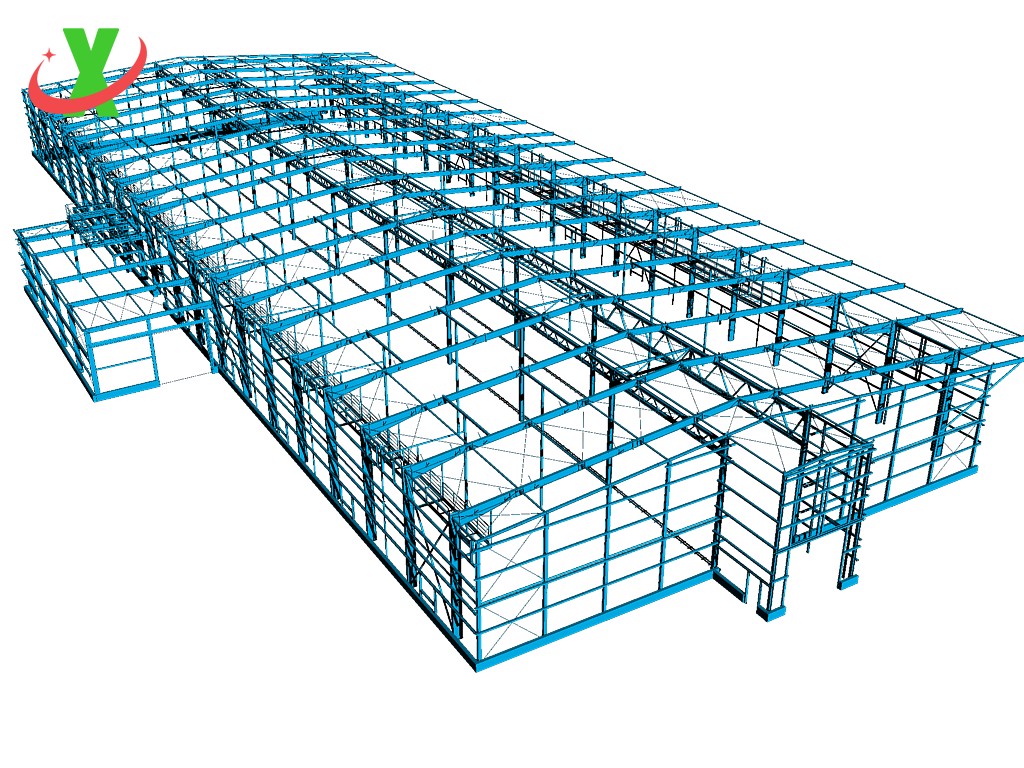
Defining the Structure and Loads: Engineers first establish the structural system (such as rigid frames) and the optimal column grid, balancing span requirements with economic factors. The design must account for various loads, including the structure's own weight (dead load), potential roof accumulation (live load), and critical environmental forces like wind and seismic activity.
Digital Modeling and Analysis: Advanced software like STAAD.Pro and Tekla Structures is indispensable. Engineers create 3D models to apply load combinations and simulate stresses. A key design goal is to achieve an optimized, lightweight frame that uses material efficiently without compromising safety.
Table: Key Design Loads and Considerations
Focus on Connections and Stability: A hallmark of a robust design is the detailing of beam-to-column connections and bracing systems. Diagonal "X" bracings in the walls and roof provide stability against longitudinal forces like wind, ensuring the building's integrity.
2. Precision Manufacturing: From Steel to Structure
Once designed, the warehouse components move to the factory floor, where traditional craftsmanship meets cutting-edge automation.
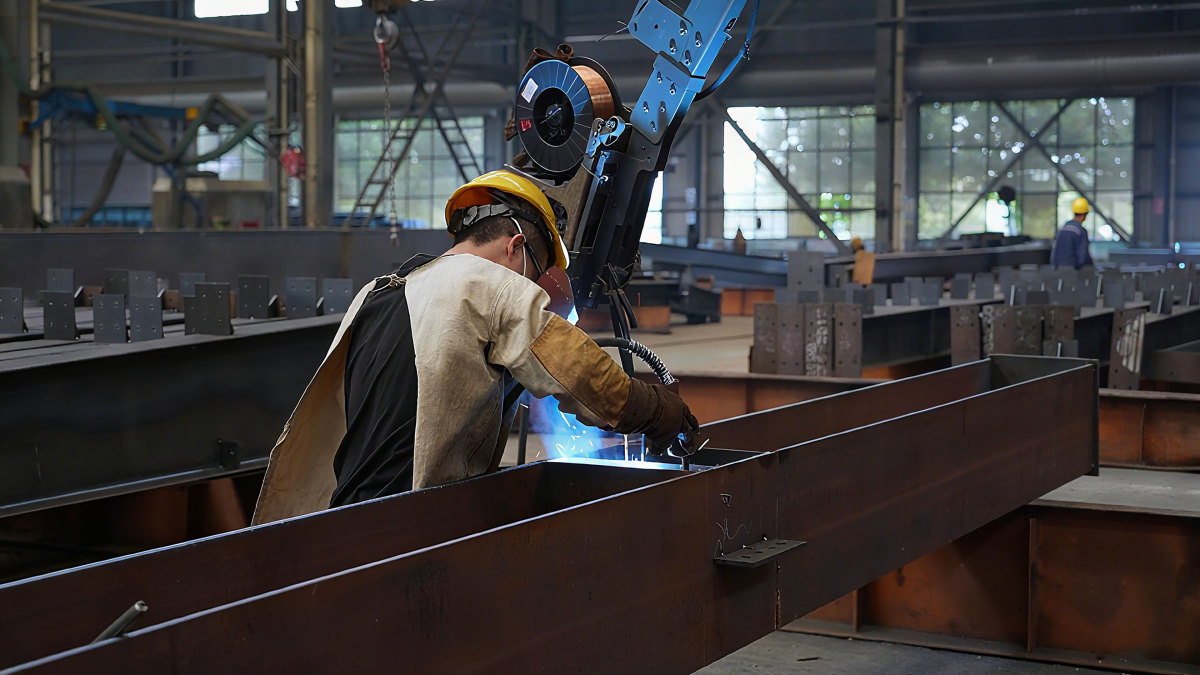
The Traditional Fabrication Process: The conventional method follows a defined sequence: material preparation, lofting and marking (放样), cutting, processing (which includes bending, drilling, and edge work), followed by assembly, welding, correction of distortions, and finally, painting. Each step requires stringent quality checks.
The Rise of Automated Production: Leading manufacturers now use fully automated smart production lines. For example, a single integrated line can perform laser cutting, visual sorting by robotic arms, automated welding, precision grinding, and intelligent spraying—all with minimal human intervention. This automation achieves millimeter-perfect precision, dramatically improving production speed and consistency.
Benefits of Light Steel Structures: Modern warehouses often utilize light steel structures. Compared to traditional concrete or heavy steel, they offer significant advantages: less material usage, reduced foundation costs, excellent seismic resistance, and a construction timeline that can be one-third shorter. Furthermore, they are more sustainable, generating less waste and dust.
3. Navigating Global Delivery: Logistics and Assembly
Delivering a warehouse to an overseas site is a complex logistical operation that requires careful planning.
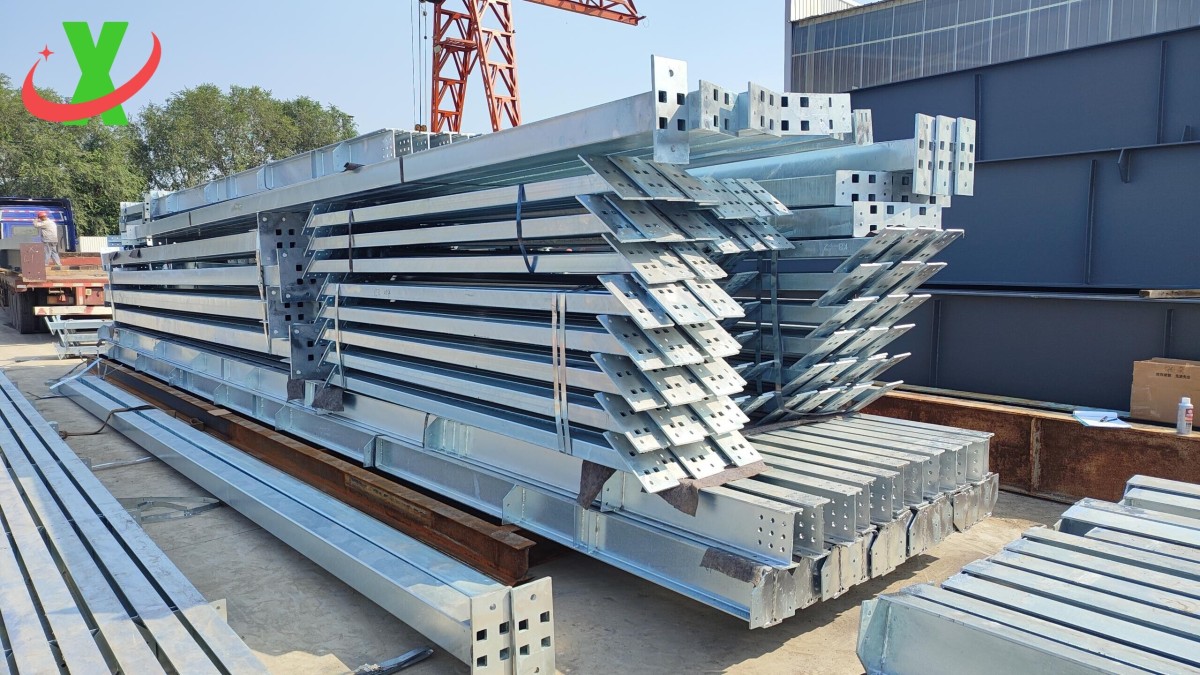
Pre-Shipment Preparation: The process starts with thorough contract review and on-site quality inspection of all fabricated components. Proper packaging is crucial to prevent damage during transit. All necessary export documents—including commercial invoices, packing lists, and certificates of origin—must be accurately prepared. Some large manufacturers even operate dedicated container railway lines to streamline this pre-shipment phase.
The Cross-Border Logistics Chain: International shipping involves a tightly coordinated, ten-step chain:
Export Customs Clearance: Submitting all documents to home country customs.
International Transport: Choosing sea freight for cost-effectiveness (for heavy components) or air freight for urgent items.
Destination Port Clearance: Handling import duties and complying with the destination country's regulations (e.g., specific product certifications).
Final Onward Transportation: Moving components from the port to the construction site.
On-Site Reception and Assembly: Upon arrival, a formal receiving process is critical. Components are checked against shipping lists for quantity and damage. The assembly itself is a testament to the "pre-engineered" concept: like a giant kit, steel columns and beams are connected with high-strength bolts using the flange plate connection systems designed during engineering. This bolted connection method allows for rapid, precise, and safe installation with minimal need for on-site welding.
In conclusion, the creation of a modern steel warehouse is a seamless integration of digital design, automated manufacturing, and global supply chain management. From the initial software analysis to the final bolt tightened on a foreign site, this process delivers buildings that are not only strong and durable but also symbols of efficient, globalized industrial development.
We are more than happy to serve you here. If you have any question, please feel free to contact us.