
1
1
1
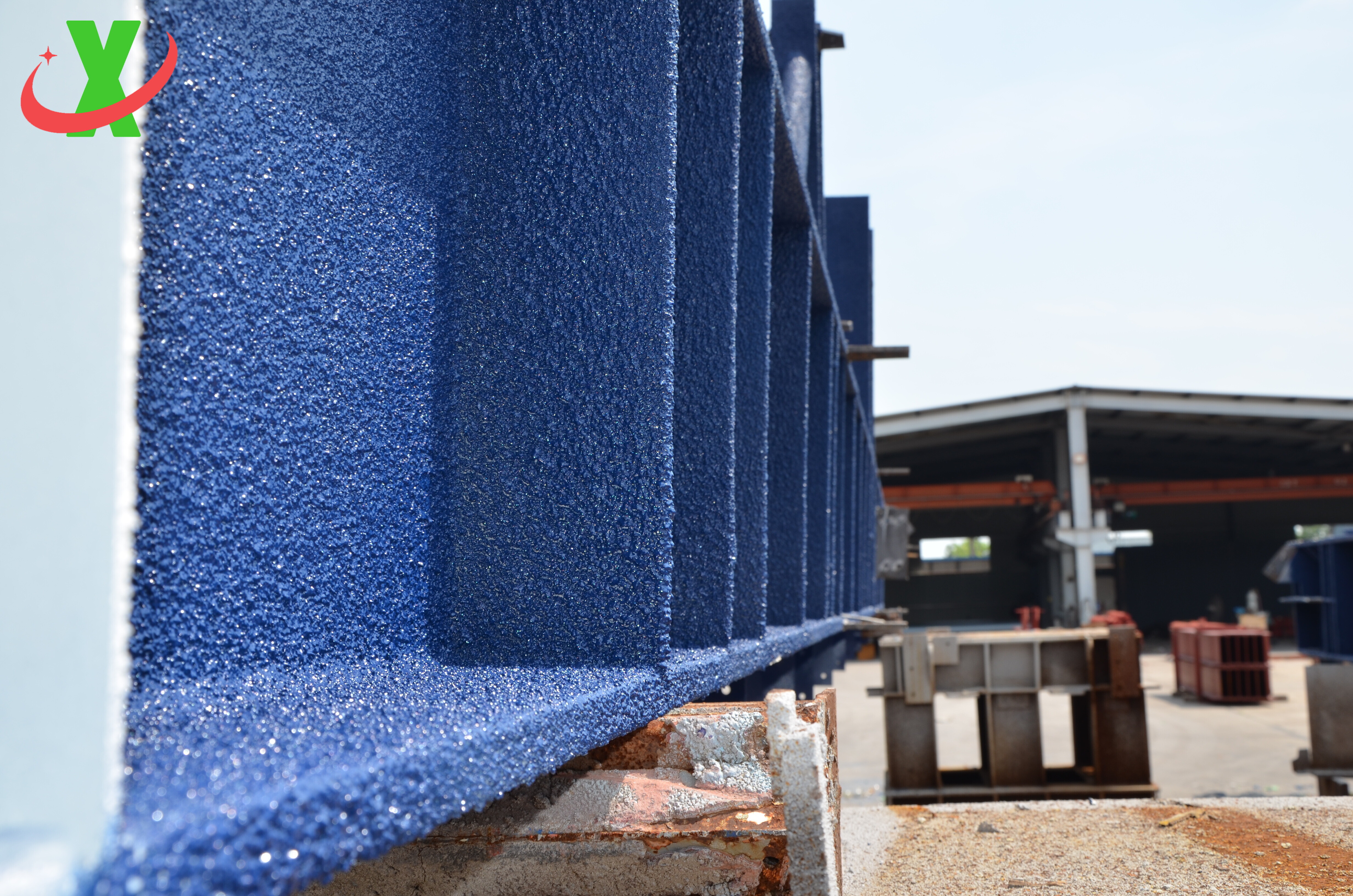
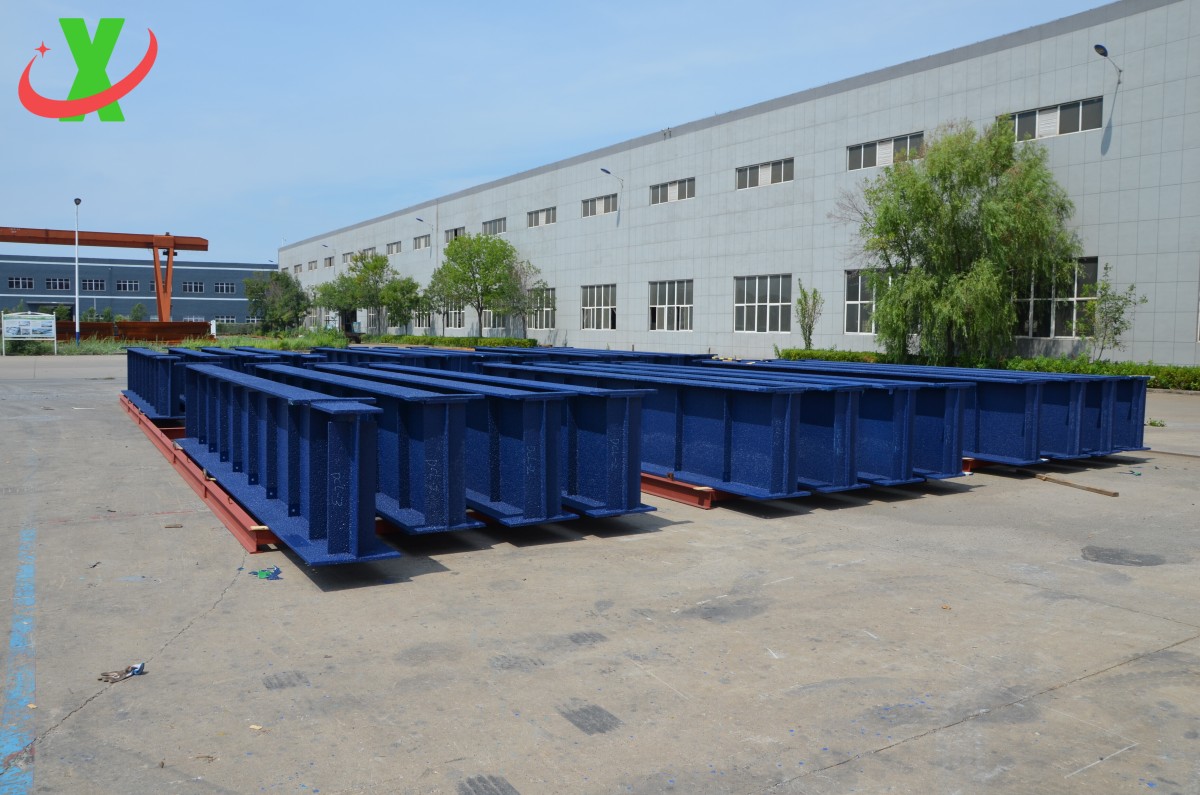
Types of Fire-Retardant Coatings for Steel
There are two main categories, which work on fundamentally different principles:
1. Intumescent Coatings
This is the most common and versatile type, widely used where the aesthetic appearance of the steel is important.
How They Work: Intumescent coatings are thin-film coatings that remain inert at low temperatures. When exposed to heat from a fire (typically above 200-250°C), they undergo a complex chemical reaction:
The coating swells or "intumesces" (often by 50-100 times its original thickness).
It forms a stable, carbonaceous char layer that is a poor conductor of heat.
The Char Layer Acts As:
An Insulator: It creates a protective barrier that significantly slows the heat transfer to the steel substrate.
A Physical Barrier: It shields the steel from direct flame impingement.
Appearance and Application:
They can be thin-film (0.5mm - 4mm) and are often applied as a paint, available in various colors and finishes (matt, gloss, etc.).
Applied via spray, brush, or roller.
Typically require a primer and sometimes a topcoat for weather and UV resistance.
Applications: Commercial buildings, offices, airports, shopping malls, and any structure where the steel is exposed to view.
2. Cementitious / Mortar Coatings
These are thick-film, non-intumescent coatings, also known as spray-applied fire-resistant materials (SFRM).
How They Work: These coatings are inherently insulating. They contain lightweight insulating aggregates (like vermiculite or perlite) bound together by a cementitious or gypsum-based matrix. They protect the steel simply by their low thermal conductivity, absorbing and dissipating heat.
Appearance and Application:
They are thick (10mm - 50mm or more) and create a rough, textured finish.
Almost always applied by spraying.
They are generally low-cost and fast to apply.
Applications: Typically used where aesthetics are not a concern, such as in car parks, industrial plants, and the underside of composite floor decks. They are also common in concealed spaces like ceiling voids.
Other Less Common Types:
Ablative Coatings: Function similarly to intumescents but absorb heat through a phase change (like melting), providing a cooling effect. More common in specialized, high-performance applications.
Sublimating Coatings: Release fire-suppressing gases or water vapor when heated, which dilute the flame.
Key Steps in the Application Process
A proper application is crucial for performance. The general process, especially for intumescent coatings, is as follows:
Surface Preparation: This is the most critical step for adhesion and performance. The steel must be thoroughly cleaned and prepared, typically by abrasive blasting to a specific standard (e.g., Sa 2½) to remove all mill scale, rust, and contaminants.
Primer Application: A corrosion-inhibitive primer is applied to the clean steel to prevent rusting during construction and throughout the coating's service life.
Application of Fire Coating:
Intumescent: Applied to the specified dry film thickness (DFT), measured precisely with a wet film comb or dry film gauge. Multiple coats may be needed.
Cementitious: Sprayed on to the required thickness, which is checked against pre-set profile gauges.
Curing: The coating must be allowed to cure fully according to the manufacturer's specifications (temperature and humidity are critical).
Topcoat Application (for Intumescents): A protective topcoat is often applied to provide resistance to UV radiation, moisture, and mechanical damage, ensuring the intumescent coating's long-term durability.
Factors Influencing Coating Selection
Choosing the right coating depends on several factors:
Fire Resistance Rating Required: 60 minutes vs. 120 minutes requires different thicknesses or products.
Section Factor (Hp/A): This is a critical engineering calculation (heated perimeter / cross-sectional area). A higher section factor (e.g., a slender, exposed beam) means the steel heats up faster and requires more protection than a thick, bulky column.
Aesthetic Requirements: Is the steel exposed or hidden?
Environmental Conditions: Will the coating be exposed to weather, UV, corrosion, or mechanical impact?
Cost and Application Speed: Cementitious coatings are generally cheaper and faster to apply than intumescents.
Building Code and Certification: The product must have official certification from a recognized body (e.g., UL, Warrington, EOTA) for the specific application.
Summary Table: Intumescent vs. Cementitious Coatings
Conclusion
Fire-retardant coatings are an indispensable technology for ensuring the safety and integrity of steel structures in a fire. Intumescent coatings offer an aesthetic and effective solution for architecturally exposed steel, while cementitious coatings provide a robust and economical solution for concealed or industrial applications. The choice and correct application of these systems are fundamental to meeting life-safety building codes and protecting both property and people.
We are more than happy to serve you here. If you have any question, please feel free to contact us.